All the most important and interesting things about the Huaci company. Learn about the company's new products, developments and major achievements.
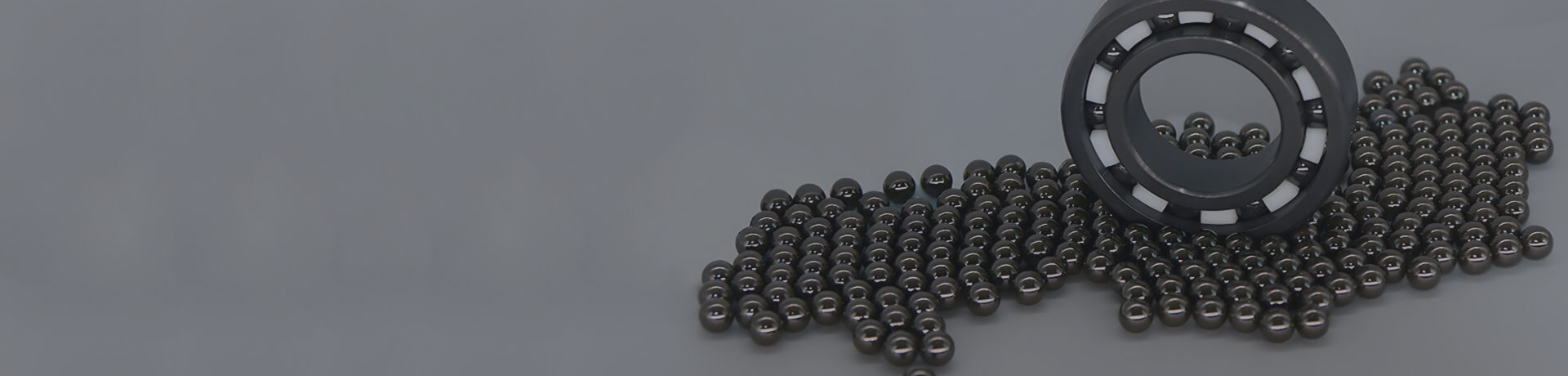
When it comes to selecting spherical components for industrial applications, the choice between silicon nitride balls and traditional steel balls is a critical one. Both materials have their strengths, but silicon nitride balls have emerged as a superior option for many demanding applications due to their unique properties. This article provides a comprehensive comparison between silicon nitride balls and steel balls, highlighting the key differences in performance, durability, and suitability for various industries.
The production of silicon nitride balls is a complex, multi-step process that requires precision, advanced technology, and strict quality control. Unlike traditional metal balls, which are often forged or machined, silicon nitride balls are made from ceramic powder, requiring specialized sintering and shaping techniques to achieve the high precision and performance that define them. This article explores the key steps in manufacturing silicon nitride balls, from raw material preparation to the final finishing touches.
Silicon nitride balls, composed primarily of silicon nitride (Si₃N₄) ceramic material, are high-performance components that have revolutionized various industrial sectors. Unlike traditional steel balls, these ceramic spheres boast a unique combination of mechanical, thermal, and chemical properties that make them indispensable in demanding applications. From aerospace to medical devices, silicon nitride balls have become a go-to choice for engineers and manufacturers seeking durability, precision, and efficiency.
Ceramic Welding Pins are designed to be durable and long-lasting, but proper maintenance is essential to ensure that they perform optimally and have a long service life. By following simple maintenance practices, you can extend the lifespan of your Ceramic Welding Pins, reduce maintenance costs, and ensure consistent performance in your welding operations.
Aerospace engineering is an industry that demands the highest levels of precision, durability, and reliability. Welding is a critical process in aerospace manufacturing, used to assemble components such as aircraft frames, engines, and fuel systems. Ceramic Welding Pins have become an essential component in aerospace welding applications due to their ability to withstand extreme conditions and deliver consistent performance.
The manufacturing process of Ceramic Welding Pins is a precise and specialized process that involves several steps, from raw material preparation to final inspection. Each step is carefully controlled to ensure that the pins meet the strict quality standards required for welding applications. The process varies slightly depending on the ceramic material used (alumina, zirconia, or silicon nitride), but the core steps remain consistent.
While Ceramic Welding Pins offer numerous advantages over traditional metal pins, they can still experience issues that affect their performance and lifespan. Understanding common problems with Ceramic Welding Pins and how to solve them is essential for ensuring optimal performance and reducing maintenance costs. From breakage to wear, these issues can be addressed with proper handling, installation, and maintenance.
Robotic welding has revolutionized the manufacturing industry, offering increased efficiency, precision, and consistency compared to manual welding. However, the performance of robotic welding systems depends heavily on the quality of the components used, including welding pins. Ceramic Welding Pins have become the preferred choice for robotic welding applications due to their unique properties, which enhance the performance and reliability of these systems.
Choosing the right Ceramic Welding Pins for your application is critical to ensuring optimal performance, durability, and cost-effectiveness. With a wide range of materials, sizes, and designs available, it can be challenging to select the best pin for your specific needs. However, by considering key factors such as application requirements, material properties, and design specifications, you can make an informed decision that meets your welding goals.
The automotive industry is one of the largest users of Ceramic Welding Pins, thanks to their precision, durability, and ability to withstand the harsh conditions of automotive welding operations. From body panel assembly to nut welding, Ceramic Welding Pins play a critical role in ensuring the quality and efficiency of automotive manufacturing processes. As automotive manufacturers strive to improve production efficiency and reduce costs, Ceramic Welding Pins have become an indispensable component in their operations.