





When it comes to welding pins, manufacturers often face the choice between Ceramic Welding Pins and traditional metal welding pins. While metal pins have been used for decades, Ceramic Welding Pins have emerged as a superior alternative in many applications due to their unique properties. Understanding the key differences between these two types of pins is essential for selecting the right component for your welding needs.
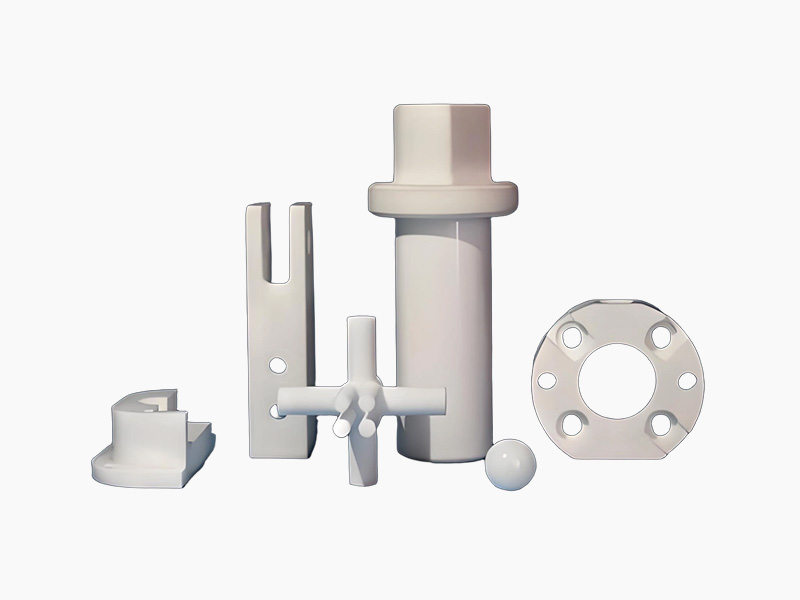
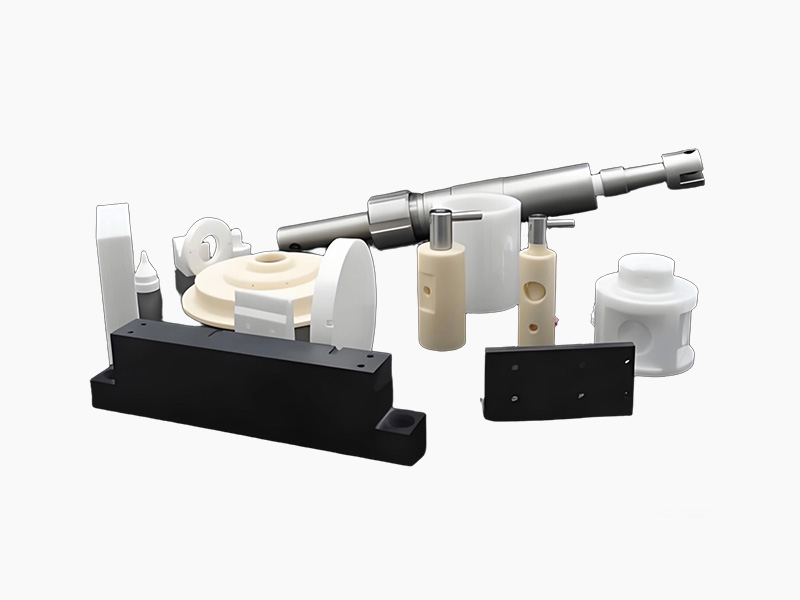
One of the most significant differences between Ceramic Welding Pins and metal welding pins is their material composition. Metal pins are typically made from steel, brass, or stainless steel, which are conductive, prone to wear, and susceptible to corrosion. In contrast, Ceramic Welding Pins are made from non-conductive ceramic materials such as alumina, zirconia, or silicon nitride, which offer electrical insulation, corrosion resistance, and superior wear resistance.
Electrical insulation is a critical advantage of Ceramic Welding Pins. Metal pins conduct electricity, which can lead to unintended arcing during resistance welding or projection welding, damaging the workpiece or welding equipment. Ceramic Welding Pins, on the other hand, prevent electrical current from flowing through the pin body, ensuring that the welding current is directed only to the weld area. This improves weld quality and reduces the risk of equipment failure.
Wear resistance is another area where Ceramic Welding Pins outperform metal pins. Metal pins wear down quickly under repeated mechanical stress and exposure to weld spatter, requiring frequent replacement. Ceramic Welding Pins, with their high hardness (1700–1800 HV for alumina pins), maintain their dimensional stability even in high-cycle welding operations. Some ceramic pins have a service life up to 40 times longer than coated metal pins, reducing maintenance costs and downtime.
Thermal resistance is also a key difference. Metal pins can deform or melt under high welding temperatures, compromising their positioning accuracy. Ceramic Welding Pins can withstand temperatures up to 1800°C (depending on the material), making them suitable for high-temperature welding applications such as furnace welding and aerospace welding. They also resist thermal shock, ensuring that they do not crack or break when exposed to rapid temperature changes.
Corrosion resistance is another advantage of Ceramic Welding Pins. Metal pins are prone to rust and corrosion, especially in humid or corrosive environments, which can reduce their lifespan and performance. Ceramic materials are inherently resistant to chemical reactions and corrosion, making Ceramic Welding Pins suitable for use in marine, chemical, and medical applications where corrosion is a concern.
While Ceramic Welding Pins offer numerous advantages, metal pins may still be suitable for low-demand applications where cost is a primary concern. However, for high-precision, high-volume, or harsh welding environments, Ceramic Welding Pins are the superior choice. Their longer service life, improved weld quality, and reduced maintenance costs make them a cost-effective solution in the long run.