





Choosing the right Ceramic Welding Pins for your application is critical to ensuring optimal performance, durability, and cost-effectiveness. With a wide range of materials, sizes, and designs available, it can be challenging to select the best pin for your specific needs. However, by considering key factors such as application requirements, material properties, and design specifications, you can make an informed decision that meets your welding goals.
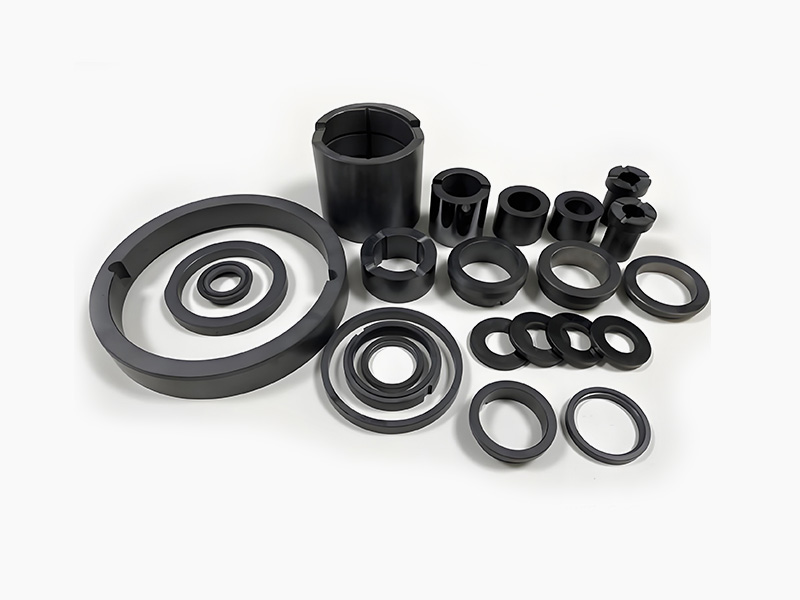
The first step in choosing Ceramic Welding Pins is to identify your application requirements. Consider the operating temperature of your welding process—if you are working with high-temperature applications (such as furnace welding or exhaust system welding), you will need a pin made from a material with high thermal resistance, such as alumina or silicon nitride. For applications involving impact or heavy loads, zirconia Ceramic Welding Pins are a better choice due to their high toughness and impact resistance.
Next, consider the electrical requirements of your application. If you are using resistance welding or projection welding, you will need Ceramic Welding Pins with excellent electrical insulation properties to prevent unintended arcing. All ceramic materials offer good electrical insulation, but alumina and zirconia pins are particularly well-suited for these applications due to their high electrical resistivity.
Wear resistance is another important factor to consider. If your welding process involves high-cycle operations or exposure to weld spatter, you will need Ceramic Welding Pins with high hardness and wear resistance. Alumina pins have a hardness of 1700–1800 HV, making them ideal for these applications. Silicon nitride pins offer even higher wear resistance, making them suitable for extreme environments.
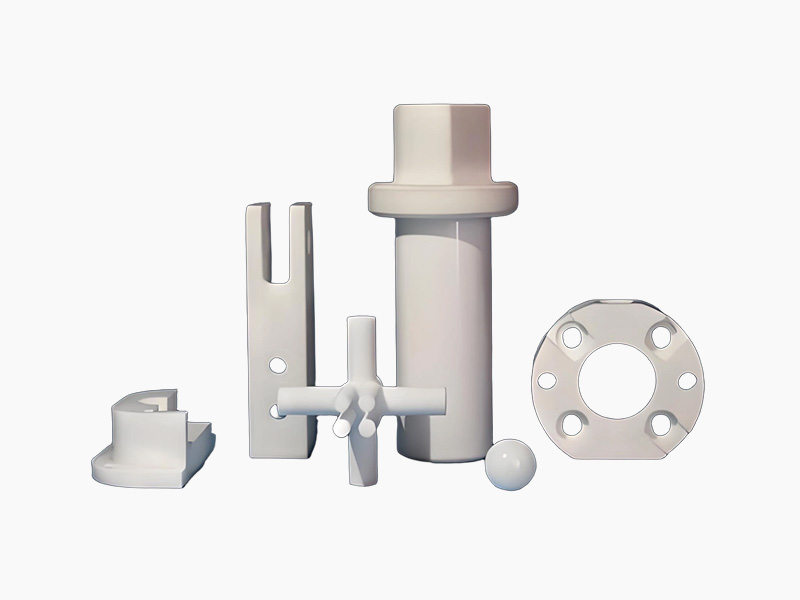
Size and design are also critical considerations. Ceramic Welding Pins are available in various diameters (ranging from 0.8mm to 80mm) and lengths (from 20mm to 150mm or longer). You should choose a pin size that fits your fixture or jig, ensuring a snug fit for precise positioning. The design of the pin—straight, stepped, tapered, or shouldered—should also be matched to your application. For example, tapered pins are ideal for applications where precise alignment is required, while stepped pins are suitable for fixtures with multiple mounting points.
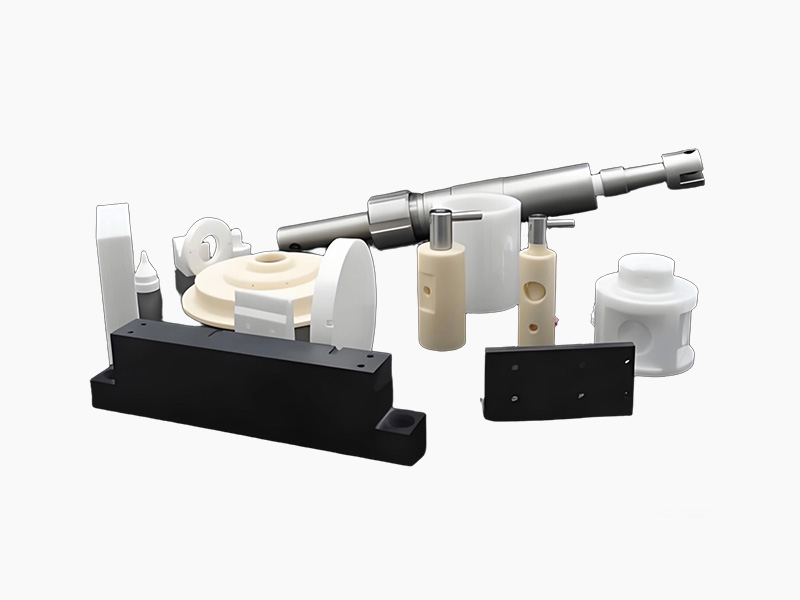
Customization options are also available for Ceramic Welding Pins. If your application requires a unique size or design, many manufacturers offer custom pins based on your drawings or specifications. This ensures that the pin fits perfectly into your existing equipment and meets your specific welding needs.
Finally, consider the cost of the Ceramic Welding Pins. While ceramic pins are generally more expensive than metal pins, their longer service life and reduced maintenance costs make them a cost-effective solution in the long run. However, if cost is a primary concern, alumina pins are a more affordable option than zirconia or silicon nitride pins, while still offering excellent performance for most applications.