





Every industrial welding operation has unique requirements, from specific workpiece dimensions to extreme environmental conditions. While standard Ceramic Welding Pins work well for most applications, many manufacturers require custom solutions to address their unique challenges. Custom Ceramic Welding Pins are tailored to meet specific size, shape, material, and performance requirements, ensuring optimal compatibility with welding fixtures, workpieces, and processes.
The primary advantage of custom Ceramic Welding Pins is their ability to fit unique welding fixtures and workpieces. Standard pins are designed for general-purpose use, but many industrial applications involve non-standard workpiece sizes, complex geometries, or specialized fixtures. Custom Ceramic Welding Pins can be engineered to match exact dimensions, including length, diameter, and tapering, ensuring a perfect fit. For example, in aerospace manufacturing, where components have intricate shapes and tight tolerances, custom pins are designed to align with the unique contours of aircraft parts, preventing misalignment and ensuring precise welds.
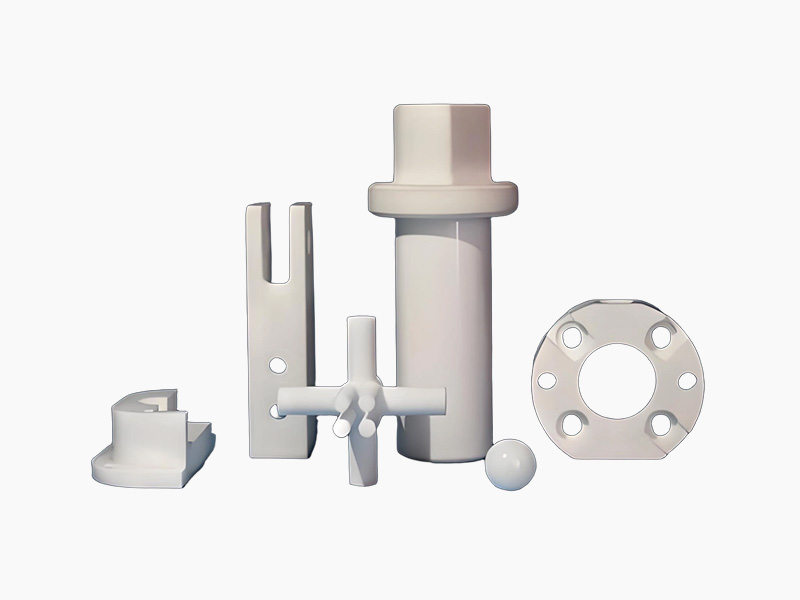
Customization also extends to the shape of Ceramic Welding Pins. While standard pins are typically cylindrical, custom pins can be designed with unique shapes to accommodate specific positioning needs. This includes tapered heads, threaded ends, stepped diameters, or even non-cylindrical shapes such as square or hexagonal. For instance, in the chemical industry, custom tiger tooth-shaped Ceramic Welding Pins are used to secure insulation on curved pipes, providing a secure grip that standard cylindrical pins cannot achieve. These custom shapes ensure that the pins perform their positioning function effectively in challenging configurations.
Material customization is another key benefit of custom Ceramic Welding Pins. Different industries and applications require different ceramic materials to withstand specific environmental conditions. Custom pins can be made from specialized ceramic materials, such as high-purity alumina, yttria-stabilized zirconia, or silicon nitride, based on the application’s temperature, corrosion, and wear requirements. For example, in high-temperature furnace welding, custom silicon nitride Ceramic Welding Pins are used for their exceptional heat resistance (up to 1700°C), while in corrosive chemical environments, zirconia-based custom pins are preferred for their superior corrosion resistance.
Tolerance customization is critical for precision welding applications. Standard Ceramic Welding Pins typically have tolerances of ±0.02 mm, but some applications require even tighter tolerances (down to ±0.005 mm) to ensure precise workpiece positioning. Custom Ceramic Welding Pins are manufactured with these tight tolerances, ensuring that the pins meet the exact precision requirements of the application. This is particularly important in robotic welding and aerospace manufacturing, where even small deviations in pin dimensions can compromise weld quality and component performance.
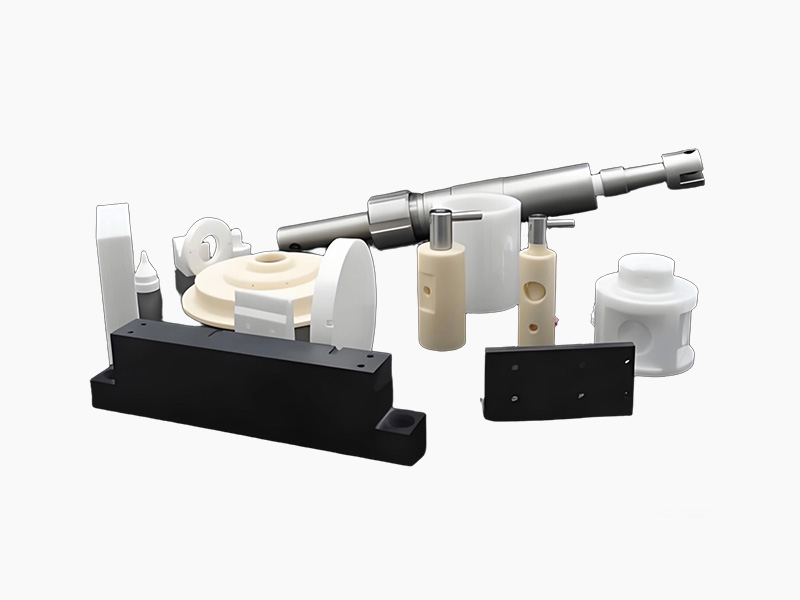
Custom Ceramic Welding Pins can also be designed to integrate additional features that enhance their performance. This includes features such as grooved surfaces for improved grip, chamfered edges to prevent workpiece damage, or coating layers to further enhance wear or corrosion resistance. For example, in automotive nut welding, custom pins may have a grooved surface to hold nuts securely in place, preventing slippage during welding. Coated custom pins, such as those with a ceramic oxide coating, can further improve wear resistance, extending the pin’s lifespan in high-volume welding operations.
The process of creating custom Ceramic Welding Pins involves close collaboration between the manufacturer and the customer. The customer provides detailed specifications, including dimensions, shape, material, tolerance, and application requirements. The manufacturer then uses advanced manufacturing techniques, such as precision machining, injection molding, and sintering, to produce the custom pins. Quality control is a critical part of the process, with each custom pin inspected to ensure it meets the customer’s exact specifications. This collaboration ensures that the custom pins are tailored to the customer’s unique needs, delivering optimal performance and reliability.
While custom Ceramic Welding Pins may have a higher upfront cost than standard pins, their ability to meet unique requirements makes them a cost-effective solution in the long run. They reduce the risk of misalignment, improve weld quality, and minimize downtime, leading to significant savings over time. For manufacturers with specialized welding needs, custom Ceramic Welding Pins are not just a luxury but a necessity to ensure the efficiency, safety, and quality of their welding operations.
In summary, custom Ceramic Welding Pins are designed to meet the unique needs of industrial welding operations that standard pins cannot address. From custom dimensions and shapes to specialized materials and tight tolerances, these pins are tailored to fit specific fixtures, workpieces, and environmental conditions. By investing in custom Ceramic Welding Pins, manufacturers can enhance weld precision, improve component durability, and achieve better overall performance in their welding operations.