
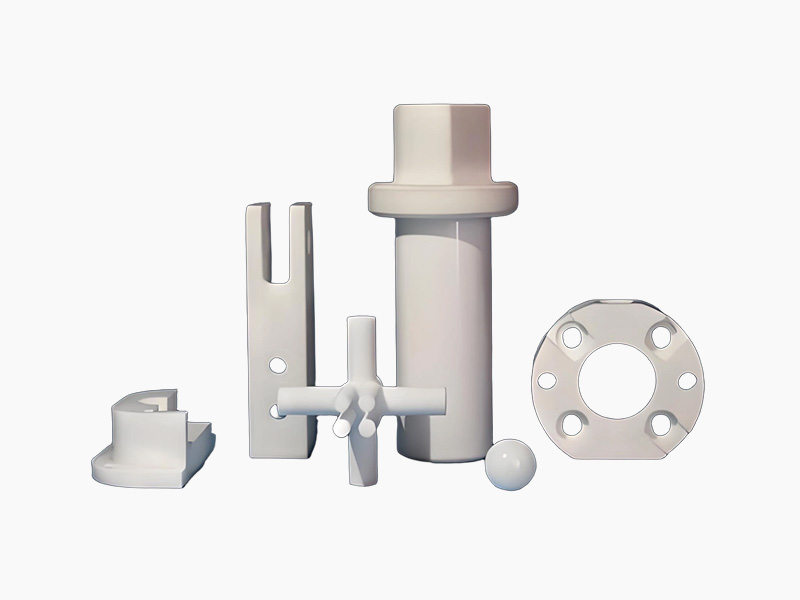
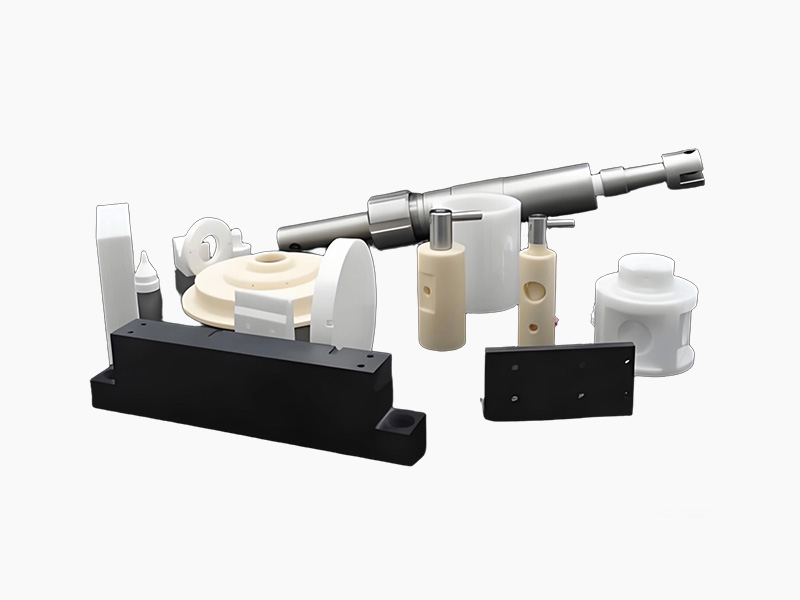





Ceramic Welding Pins deliver exceptional performance in industrial welding operations, but their effectiveness and lifespan depend heavily on proper installation and regular maintenance. Even the highest-quality Ceramic Welding Pins can fail prematurely or underperform if installed incorrectly or neglected. To maximize the value, durability, and safety of Ceramic Welding Pins, manufacturers and operators must follow best practices for installation, inspection, and maintenance. This article outlines the most common and critical tips to ensure optimal performance and extend the service life of Ceramic Welding Pins across various welding applications.
Proper installation starts with selecting the right Ceramic Welding Pin for the application and ensuring a secure, precise fit. Before installation, operators should verify that the pin’s dimensions, material, and design match the welding fixture and workpiece requirements. For example, a pin designed for high-temperature arc welding should not be used in low-temperature resistance welding, as this can lead to misalignment and premature wear. Additionally, the pin’s diameter and length must be compatible with the fixture’s mounting hole to avoid loose fits, which can cause workpiece movement during welding. A loose pin can result in poor weld quality, spatter buildup, and even pin damage.
When installing Ceramic Welding Pins, it is critical to avoid over-tightening. Ceramic materials are brittle and can crack or chip if subjected to excessive force. Operators should use torque wrenches to apply the recommended amount of force—typically 5–10 N·m for most standard pins—to ensure a secure fit without damaging the pin. For threaded Ceramic Welding Pins, applying a small amount of high-temperature anti-seize compound can prevent the pin from seizing to the fixture, making removal easier during maintenance. However, the compound should not come into contact with the pin’s positioning surface, as this can affect precision and cause workpiece slippage.
Another key installation tip is to ensure the pin and fixture are clean and free of debris. Weld spatter, dust, oil, or rust on the pin’s surface or the fixture’s mounting hole can interfere with positioning accuracy and create uneven pressure, leading to pin damage. Before installation, operators should clean the pin with a soft brush or compressed air to remove any debris, and wipe the mounting hole with a lint-free cloth dampened with a mild solvent. This ensures a smooth, secure fit and prevents contaminants from causing misalignment during welding.
Regular inspection is a critical part of maintaining Ceramic Welding Pins. Operators should inspect pins before each welding shift to check for signs of damage, such as cracks, chips, or wear. Even small cracks can compromise the pin’s structural integrity, leading to sudden failure during welding. Additionally, operators should check for spatter buildup—while Ceramic Welding Pins are resistant to spatter adhesion, excessive buildup can affect positioning precision. If spatter accumulates, it should be removed gently with a soft brush or plastic scraper; metal tools should never be used, as they can scratch or damage the pin’s surface.
Temperature management is also essential for maintaining Ceramic Welding Pins. While these pins are highly heat-resistant, rapid temperature changes (thermal shock) can cause cracking. Operators should avoid exposing cold Ceramic Welding Pins to extreme heat immediately; instead, allow the pins to warm up gradually to the welding temperature. Similarly, after welding, allow the pins to cool down naturally before removing them from the fixture. Avoid quenching hot pins with water or cold air, as this can create thermal stress and damage the ceramic material.
Replacement timing is another important maintenance consideration. Ceramic Welding Pins have a long lifespan, but they are not indestructible. Operators should establish a replacement schedule based on the number of welding cycles, application conditions, and inspection results. For example, in high-volume automated welding lines, pins may need to be replaced every 50,000–100,000 cycles, depending on the material and application. Waiting until a pin fails can lead to workpiece damage, welding defects, and unplanned downtime, so proactive replacement is recommended.
Proper storage of Ceramic Welding Pins when not in use is also crucial. Pins should be stored in a clean, dry environment, away from moisture, dust, and extreme temperatures. They should be placed in a dedicated container or rack to prevent physical damage from dropping or collision with other tools. Avoid stacking pins on top of each other, as this can cause chipping or cracking. Additionally, labeled storage can help ensure that the right pin is used for the right application, preventing misinstallation.
In summary, proper installation and maintenance are essential for maximizing the performance and lifespan of Ceramic Welding Pins. By selecting the right pin for the application, avoiding over-tightening, keeping pins and fixtures clean, performing regular inspections, managing temperature changes, replacing pins proactively, and storing them properly, manufacturers can ensure that Ceramic Welding Pins deliver consistent, reliable performance. These simple yet critical tips help reduce downtime, improve weld quality, and get the most value from Ceramic Welding Pins in industrial welding operations.