
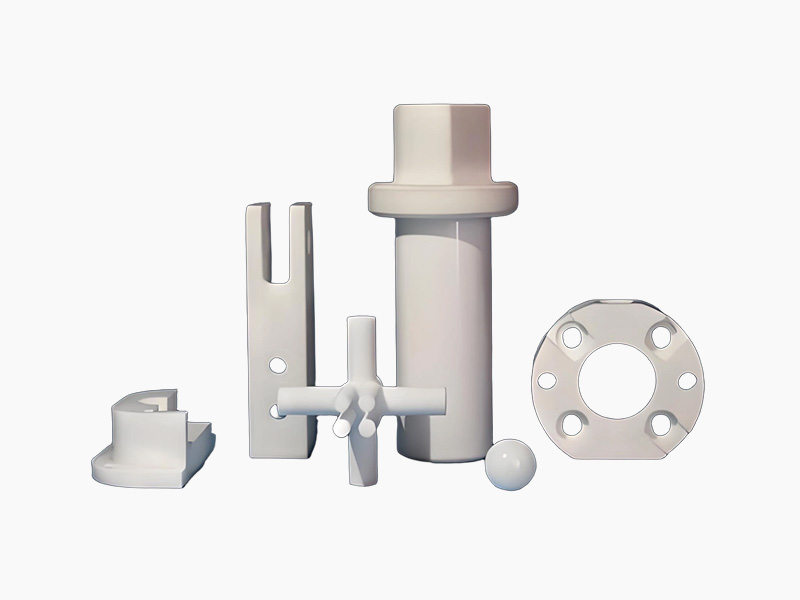
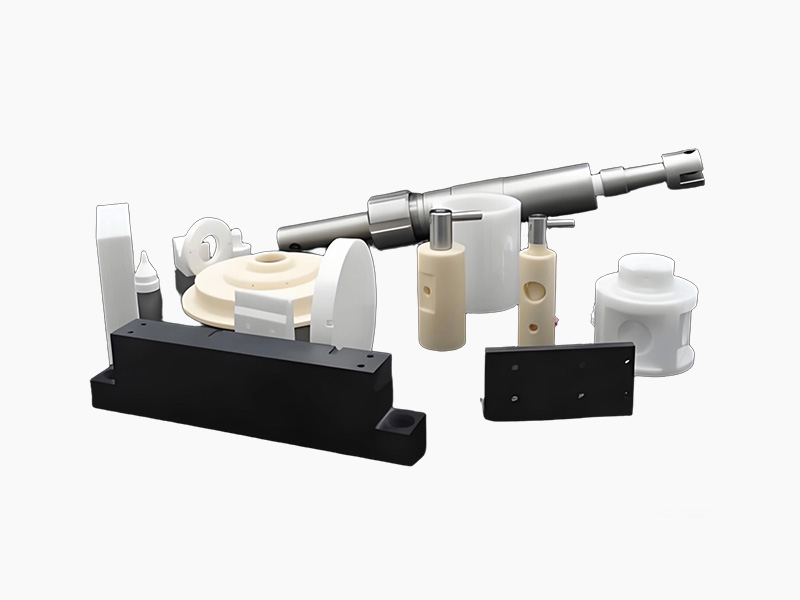





Ceramic Welding Pins are distinguished by their high-performance ceramic materials, which are carefully selected based on the specific requirements of the welding application. The choice of material directly impacts the pin’s durability, heat resistance, electrical properties, and overall performance. The most common materials used in manufacturing Ceramic Welding Pins include alumina, zirconia, and silicon nitride, each offering unique advantages that make them suitable for different welding scenarios.
Alumina (Al₂O₃) is the most widely used material for Ceramic Welding Pins, accounting for a large portion of the market due to its balance of performance and cost-effectiveness. Alumina Ceramic Welding Pins typically have an alumina content of 95% to 99.99%, with higher purity levels offering superior properties. These pins exhibit excellent thermal resistance, with a maximum service temperature of 1700°C to 1800°C, making them ideal for high-temperature welding applications such as furnace welding and resistance welding.
Alumina Ceramic Welding Pins also boast high hardness (1700–1800 HV), which ensures dimensional stability and resistance to wear even in high-cycle welding operations. Their electrical insulation properties are exceptional, with an electrical resistivity of over 10¹⁴ ohm·cm at 20°C, preventing electrical arcing and ensuring safe welding. Additionally, alumina pins have low water absorption and high compressive strength (up to 2800 MPa), making them resistant to corrosion and mechanical damage.
Zirconia (ZrO₂) is another popular material for Ceramic Welding Pins, particularly in applications that require high toughness and impact resistance. Zirconia pins are often stabilized with yttria or magnesia to improve their mechanical properties, overcoming the inherent brittleness of traditional ceramics. Yttria-stabilized zirconia (YSZ) Ceramic Welding Pins offer high flexural strength (up to 1100 MPa) and fracture toughness (7–13 MPa·m¹/²), making them suitable for applications where the pin may be subjected to impact or heavy loads.
Zirconia Ceramic Welding Pins have a maximum service temperature of around 1500°C and excellent corrosion resistance, making them ideal for use in corrosive environments or applications involving harsh chemicals. They are also non-magnetic and non-conductive, further enhancing their utility in electrical welding processes. However, zirconia pins are generally more expensive than alumina pins, making them a preferred choice for high-demand applications where durability and performance are critical.
Silicon nitride (Si₃N₄) is a high-performance ceramic material used for Ceramic Welding Pins in extreme environments. Silicon nitride pins offer exceptional thermal shock resistance, high strength, and excellent wear resistance, making them suitable for applications involving rapid temperature changes, such as mig/tig welding and aerospace welding. These pins have a maximum service temperature of 1200°C to 1500°C and a flexural strength of up to 800 MPa, making them one of the toughest ceramic materials available.
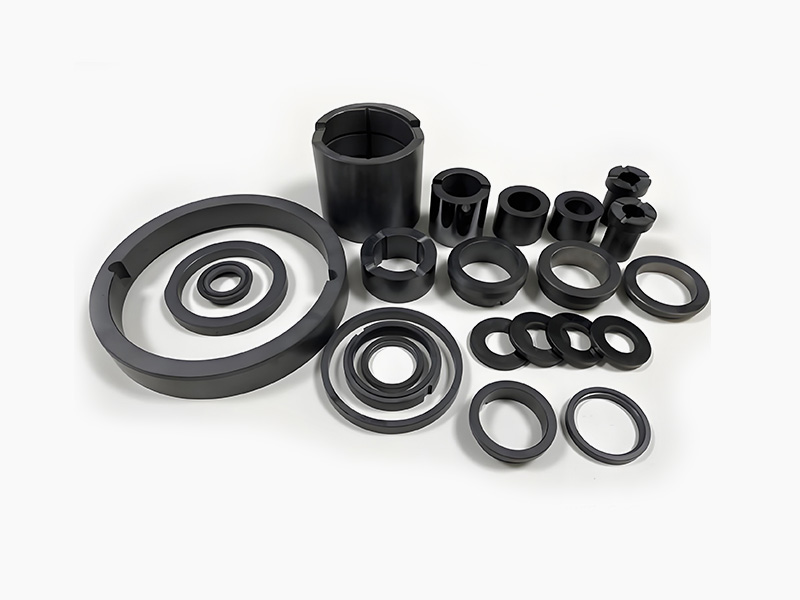
In addition to these primary materials, some Ceramic Welding Pins are made from silicon carbide (SiC) or sialon (a silicon nitride-based ceramic), which offer specialized properties such as high thermal conductivity or improved chemical resistance. The choice of material for Ceramic Welding Pins depends on factors such as operating temperature, mechanical stress, electrical requirements, and cost, ensuring that the pin is optimized for the specific welding application.