All the most important and interesting things about the Huaci company. Learn about the company's new products, developments and major achievements.
Low-temperature cold storage, cryogenic refrigeration equipment and liquid nitrogen industrial processing devices work under sub-zero operating environments ranging from -20°C down to -196°C. Many metal rolling components suffer cold brittleness, shrinkage deformation and performance failure in ultra-low temperature surroundings, while silicon nitride balls stand out as reliable bearing and support parts due to superior low-temperature structural stability.
Modern high-speed digital printing and offset printing machines pursue ultra-fast production speed, stable printing precision and long continuous non-stop running performance. Core rotating spindles, roller transmission bearings and reciprocating guide bearings inside printing equipment are heavily dependent on high-performance rolling elements, and silicon nitride balls have gradually replaced steel rolling beads as mainstream matching accessories for high-end printing machinery worldwide.
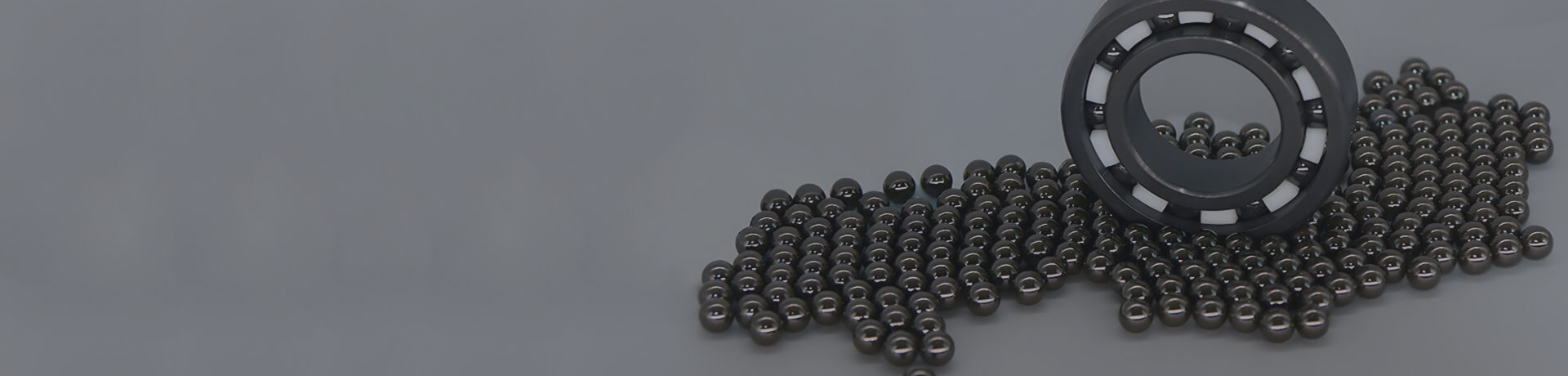
Mechanical vibration will cause equipment noise, precision attenuation and structural fatigue. Silicon nitride ball bearings have excellent vibration reduction performance, which can effectively suppress mechanical vibration and improve equipment operation stability.
There are both domestic and imported silicon nitride balls in the industrial market. There are obvious differences in raw materials, processing technology, precision grade and price. Enterprises need to select products according to usage scenarios and budget.
Precision instruments such as optical detectors and miniature sensors need tiny high-precision rolling components. Micro silicon nitride balls with diameter less than 3mm have ultra-small tolerance and ultra-smooth surface, becoming the core accessories of miniature precision instruments.
Automobile transmission system bears frequent shifting impact and high-speed rotation. Traditional steel bearings are easy to heat and wear. Silicon nitride balls are used in automobile gearboxes and transmission bearings to improve transmission efficiency and durability.
Although silicon nitride balls have excellent wear resistance, long-term harsh working conditions will still cause different forms of wear failure. Mastering wear types and causes is conducive to optimizing working conditions and extending service life.
Incorrect installation will cause surface damage and precision loss of silicon nitride balls. Standardized installation steps can avoid artificial damage and give full play to the performance advantages of ceramic bearings. This article summarizes the universal installation guidelines for silicon nitride ball bearings.
Many industrial equipment such as hydraulic machinery and mining equipment work under ultra-high pressure. The pressure resistance of rolling balls directly determines equipment safety. Silicon nitride balls have excellent high-pressure resistance, which is inseparable from its internal crystal structure.
Industrial robots require high positioning accuracy, repeated movement stability and long continuous working time. The joint bearings and linear guide parts of robots use silicon nitride balls to improve motion precision and service life.