






The automotive industry is one of the largest users of Ceramic Welding Pins, thanks to their precision, durability, and ability to withstand the harsh conditions of automotive welding operations. From body panel assembly to nut welding, Ceramic Welding Pins play a critical role in ensuring the quality and efficiency of automotive manufacturing processes. As automotive manufacturers strive to improve production efficiency and reduce costs, Ceramic Welding Pins have become an indispensable component in their operations.
One of the primary applications of Ceramic Welding Pins in automotive manufacturing is nut welding. In the assembly of automotive bodies, nuts are often welded to sheet metal panels to provide attachment points for components such as seats, doors, and trim. Ceramic Welding Pins are used as positioning elements in this process, ensuring that the nuts are aligned precisely before welding. Their electrical insulation properties prevent unintended arcing, ensuring that the weld is strong and consistent.
Ceramic Welding Pins are also used in robotic welding cells, which are widely used in modern automotive manufacturing. Robotic welding requires precise positioning to ensure that welds are accurate and consistent across thousands of cycles. Ceramic Welding Pins maintain their dimensional stability even under repeated mechanical stress, reducing the need for manual adjustments and minimizing errors. This improves production efficiency and ensures that automotive components meet strict quality standards.
Another application of Ceramic Welding Pins in automotive manufacturing is body panel alignment. During the assembly process, automotive body panels must be positioned precisely to ensure a proper fit. Ceramic Welding Pins are used as guide pins to align panels before welding, ensuring that they are held in place securely. Their high wear resistance ensures that they maintain their accuracy even after thousands of uses, reducing the need for frequent replacement.
Ceramic Welding Pins are also used in high-temperature welding applications in the automotive industry, such as exhaust system welding. Exhaust systems are exposed to high temperatures, and traditional metal pins can deform or melt under these conditions. Ceramic Welding Pins, with their high thermal resistance (up to 1800°C), can withstand these temperatures without losing their structural integrity, ensuring that exhaust system components are welded correctly.
In addition to these applications, Ceramic Welding Pins are used in the manufacturing of automotive components such as engines, transmissions, and suspension systems. Their corrosion resistance makes them suitable for use in components that are exposed to harsh chemicals or humid environments, ensuring long-term reliability.
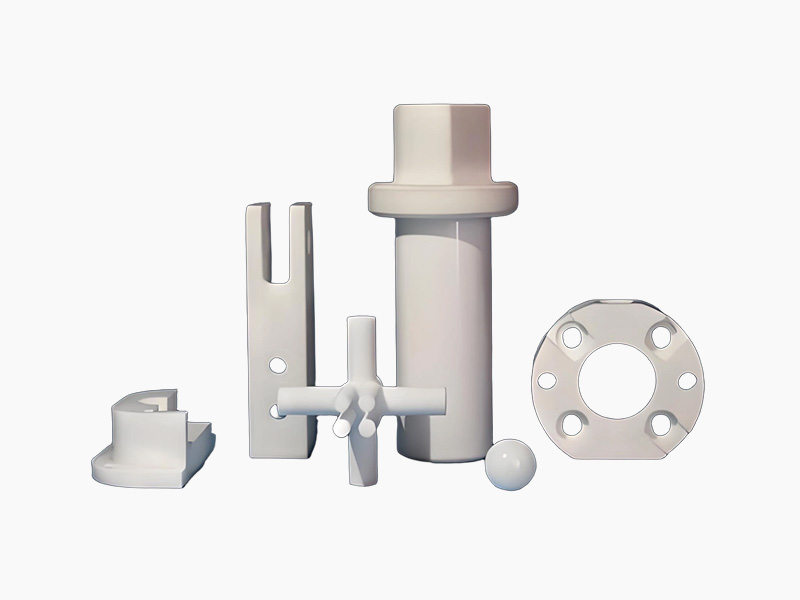
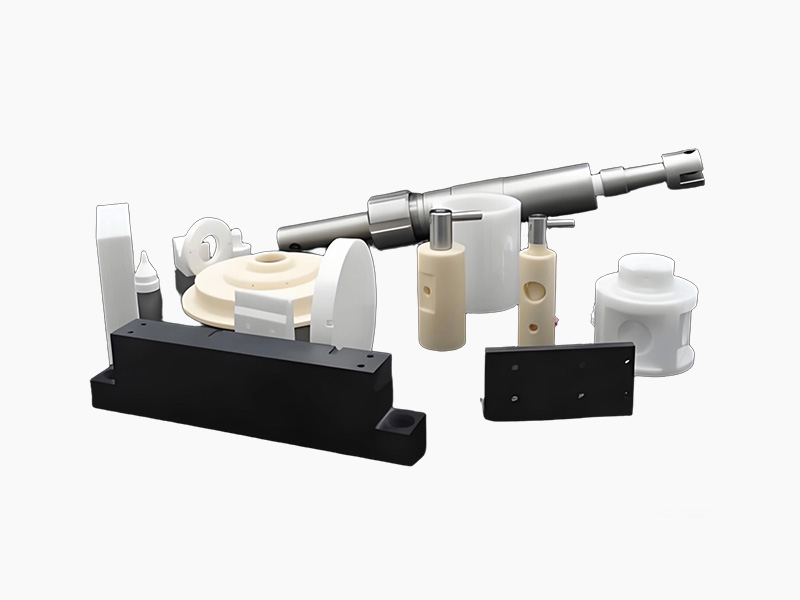
Automotive manufacturers also benefit from the customization options offered by Ceramic Welding Pins. Manufacturers can produce pins in various sizes and designs to fit specific automotive fixtures and jigs, ensuring that they integrate seamlessly into existing production processes. This versatility makes Ceramic Welding Pins suitable for a wide range of automotive welding applications, from small components to large body panels.