
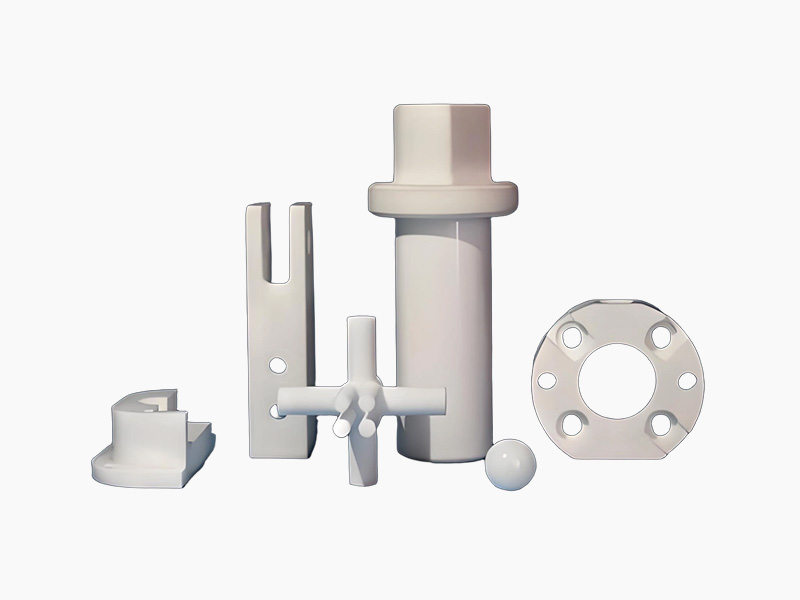
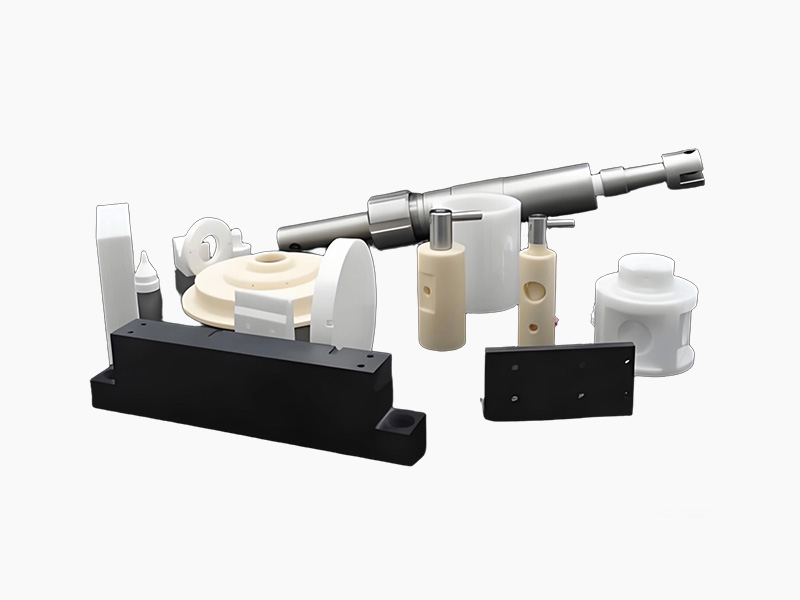





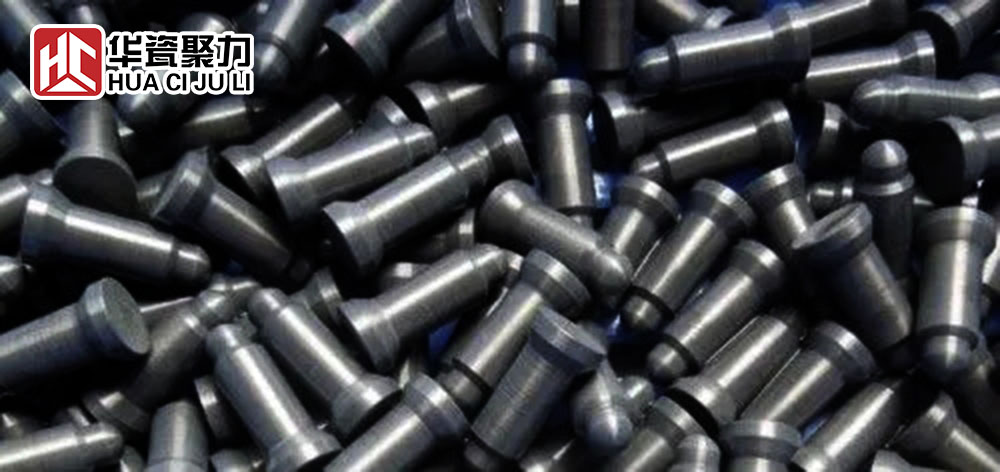
Robotic welding has revolutionized the manufacturing industry, offering increased efficiency, precision, and consistency compared to manual welding. However, the performance of robotic welding systems depends heavily on the quality of the components used, including welding pins. Ceramic Welding Pins have become the preferred choice for robotic welding applications due to their unique properties, which enhance the performance and reliability of these systems.
One of the key benefits of using Ceramic Welding Pins in robotic welding is their precise positioning capability. Robotic welding requires consistent alignment of workpieces across hundreds or thousands of cycles, and any misalignment can compromise weld quality. Ceramic Welding Pins maintain their dimensional stability even under repeated mechanical stress, ensuring that workpieces are positioned accurately every time. This reduces errors and improves the consistency of welds, resulting in higher-quality products.
Another benefit of Ceramic Welding Pins in robotic welding is their resistance to wear and tear. Robotic welding systems operate continuously, subjecting welding pins to repeated contact with workpieces and weld spatter. Metal pins wear down quickly under these conditions, requiring frequent replacement and causing downtime. Ceramic Welding Pins, with their high hardness and wear resistance, have a service life up to 40 times longer than metal pins, reducing maintenance costs and minimizing downtime.
Electrical insulation is also a critical benefit of Ceramic Welding Pins in robotic welding. Many robotic welding systems use resistance welding or projection welding, which require precise control of electrical current. Ceramic Welding Pins prevent electrical arcing by insulating the current, ensuring that heat is directed only to the weld area. This improves weld quality and reduces the risk of damage to the robotic welding arm or workpiece.
Thermal resistance is another advantage of Ceramic Welding Pins in robotic welding. Robotic welding generates high temperatures, and metal pins can deform or melt under these conditions, compromising their positioning accuracy. Ceramic Welding Pins can withstand temperatures up to 1800°C, making them suitable for high-temperature robotic welding applications. They also resist thermal shock, ensuring that they do not crack or break when exposed to rapid temperature changes.
Ceramic Welding Pins also offer improved efficiency in robotic welding systems. Their smooth surfaces reduce friction between the pin and the workpiece, allowing for faster movement of the robotic arm. This increases production speed and throughput, helping manufacturers meet tight deadlines. Additionally, the reduced need for pin replacement means that robotic welding systems can operate for longer periods without interruption.
Finally, Ceramic Welding Pins are compatible with a wide range of robotic welding systems, making them a versatile choice for manufacturers. They can be customized to fit different fixture designs and welding requirements, ensuring that they integrate seamlessly into existing robotic systems. This versatility makes Ceramic Welding Pins an ideal choice for any robotic welding application, from automotive manufacturing to aerospace engineering.