All the most important and interesting things about the Huaci company. Learn about the company's new products, developments and major achievements.
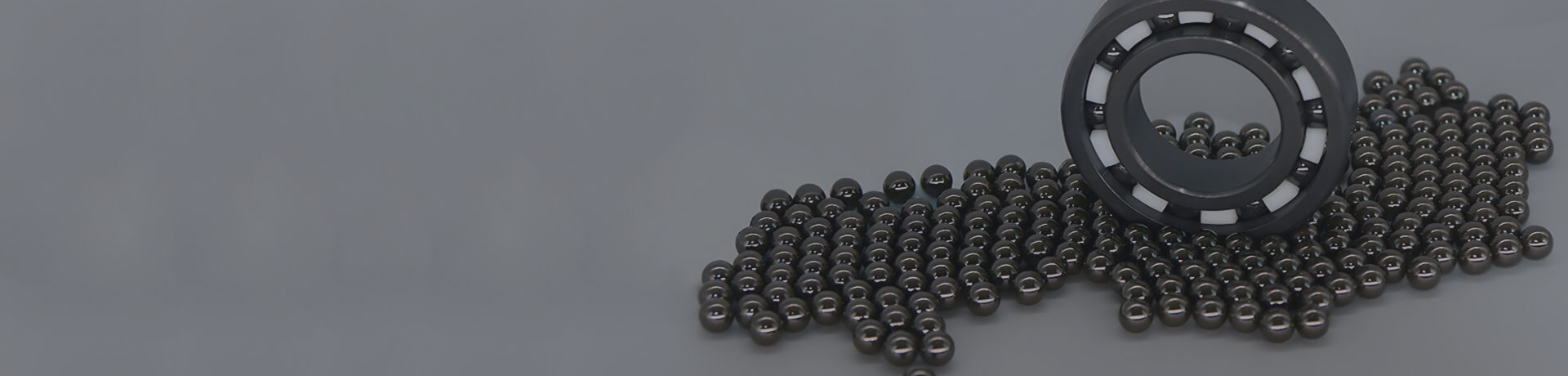
Alumina ceramic balls are low-cost ordinary ceramic rolling elements, widely used in low-end industrial equipment. Compared with alumina balls, silicon nitride balls have comprehensive performance advantages in toughness, temperature resistance and fatigue resistance, becoming the preferred material for high-end industrial equipment.
Silicon nitride balls have long service life, but a small number of waste and defective balls will still be produced in industrial production. As an environmentally friendly ceramic material, waste silicon nitride balls can be recycled and reused to realize resource circulation and reduce industrial waste.
With the upgrading of high-end manufacturing industry, the global market demand for silicon nitride balls is expanding rapidly. Industries such as new energy, medical treatment, aerospace and semiconductors jointly drive the growth of the ceramic ball market. Understanding market trends helps industry practitioners grasp industry development opportunities.
Although silicon nitride balls have self-lubricating performance, reasonable lubrication matching can further reduce friction and extend bearing life. Different working environments need to select matching lubricants. Mastering lubrication skills is essential to maximize the performance of silicon nitride ball bearings.
The petroleum and natural gas industry has harsh working conditions including deep underground high pressure, corrosive crude oil and high-temperature gas. Downhole exploration equipment and oil transmission valves need anti-corrosion and pressure-resistant rolling components. Silicon nitride balls are widely used in oil and gas exploitation systems.
In the mass production process of silicon nitride balls, defects such as surface cracks, internal pores, dimensional deviation and spherical deformation inevitably appear. Professional defect screening methods can effectively eliminate unqualified products and ensure the stability of industrial application.
Cryogenic industrial equipment such as liquid nitrogen storage tanks, cold chain compressors and aerospace low-temperature test cabins need components that can resist extreme low temperature. Traditional metal balls are prone to cold brittleness and cracking, while silicon nitride balls have excellent low-temperature toughness and become the preferred low-temperature rolling components.
Surface polishing determines the surface roughness, roundness and friction performance of silicon nitride balls. High-precision ceramic balls used in aerospace and medical fields need ultra-mirror polishing treatment. Professional polishing technology is the key to manufacture high-quality silicon nitride balls.
Many buyers give up silicon nitride balls due to their high initial purchase price. However, judging from the full life cycle cost of equipment, silicon nitride balls have obvious economic advantages. Comprehensive cost analysis can help enterprises correctly recognize the economic value of high-performance ceramic balls.
In electronic equipment, magnetic testing instruments and precision medical devices, magnetic interference will lead to data deviation and equipment failure. Silicon nitride balls have natural non-magnetic and insulating properties, which solve the magnetic interference problem of metal rolling balls and become the core component of anti-magnetic precision equipment.