





Robotic welding has become a cornerstone of modern industrial manufacturing, offering unparalleled speed, consistency, and efficiency in high-volume production lines. As robotic welding systems become more advanced, the demand for reliable, high-performance components has grown—and Ceramic Welding Pins have emerged as a critical element in optimizing robotic welding operations. Unlike traditional metal pins, Ceramic Welding Pins deliver the precision, durability, and stability needed to support the continuous, automated nature of robotic welding, making them an indispensable component for manufacturers looking to maximize productivity and weld quality.
The primary role of Ceramic Welding Pins in robotic welding is to ensure precise, repeatable workpiece positioning. Robotic welding systems rely on consistent alignment to deliver uniform welds across thousands of cycles, and even minor misalignment can lead to costly defects, rework, and downtime. Ceramic Welding Pins are engineered with tight tolerances—often as low as ±0.001 mm—and maintain dimensional stability even under the extreme heat and mechanical stress of robotic welding cycles. This precision ensures that the workpiece remains in the exact position required, allowing the robotic arm to execute welds with consistent accuracy, regardless of how many cycles are completed.
Durability is another key advantage of Ceramic Welding Pins in robotic welding applications. Robotic welding lines operate 24/7 in many industrial settings, subjecting positioning components to constant mechanical stress, high temperatures (up to 1700°C), and weld spatter buildup. Traditional metal pins wear down quickly under these conditions, requiring frequent replacements that disrupt production and increase maintenance costs. Ceramic Welding Pins, made from materials like alumina, zirconia, or silicon nitride, resist wear, corrosion, and thermal deformation, with some high-performance models lasting up to 40 times longer than standard coated metal pins. This long lifespan reduces the frequency of pin replacements, minimizing unplanned downtime and keeping robotic welding lines running at peak efficiency.
The non-conductive nature of Ceramic Welding Pins is particularly valuable in robotic resistance welding and arc welding. Robotic welding systems use high electrical currents to generate heat, and conductive metal pins can divert this current, causing electrical arcing, poor weld quality, and even damage to the robot’s welding electrode or control system. Ceramic Welding Pins are non-conductive, preventing current diversion and ensuring that the full electrical current is directed to the weld joint—not the positioning components. This not only improves weld quality but also protects the robotic equipment from electrical damage, extending the lifespan of expensive welding robots and reducing maintenance costs.
Ceramic Welding Pins also reduce the need for manual intervention in robotic welding systems, a key benefit for automation efficiency. Metal pins accumulate weld spatter, which requires regular manual cleaning to prevent misalignment and maintain performance. This cleaning process takes workers away from other productive tasks and disrupts the automated workflow. Ceramic Welding Pins have a smooth, non-stick surface that prevents weld spatter from adhering, eliminating the need for frequent cleaning and allowing the robotic system to operate continuously without manual interruptions. This reduces labor costs and maximizes the productivity of robotic welding lines.
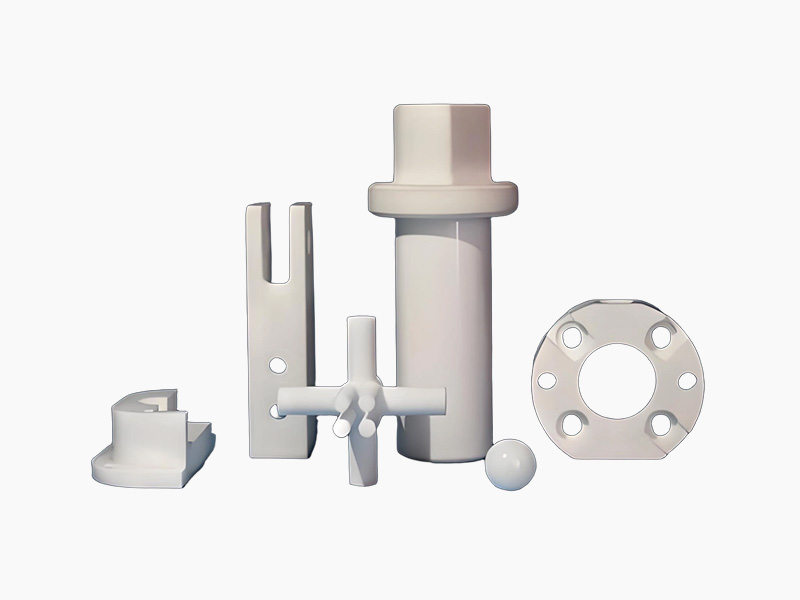
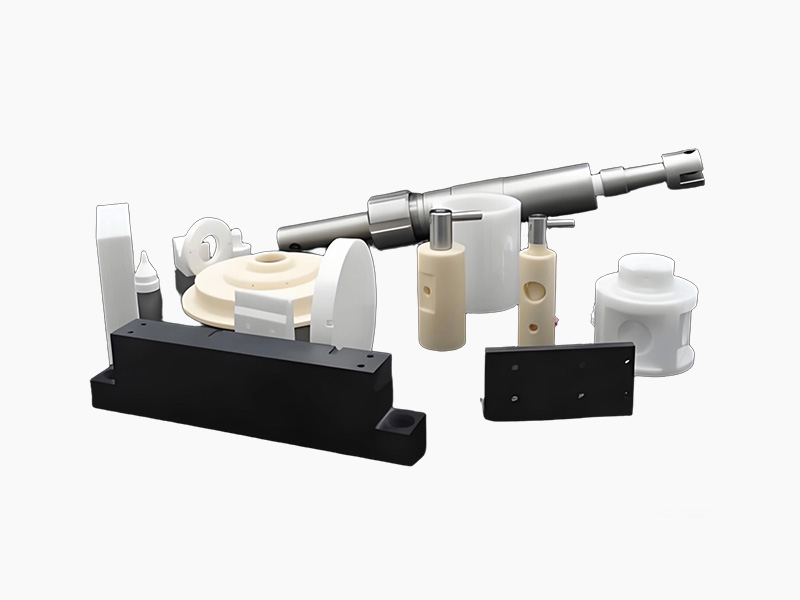
Customization options for Ceramic Welding Pins further enhance their compatibility with robotic welding systems. Many robotic welding applications involve non-standard workpiece geometries or specialized fixtures, and standard pins may not provide the precise fit needed. Manufacturers can customize Ceramic Welding Pins to match the exact dimensions, shape, and material requirements of their robotic fixtures, ensuring a perfect fit and optimal performance. For example, custom tapered or threaded Ceramic Welding Pins can be designed to secure irregularly shaped workpieces, while high-purity silicon nitride pins are ideal for high-temperature robotic welding applications in aerospace or automotive manufacturing.
The integration of Ceramic Welding Pins with smart robotic welding systems is another growing trend. As Industry 4.0 technologies become more prevalent, robotic welding systems are equipped with sensors and data analytics tools to monitor performance in real time. Ceramic Welding Pins can be integrated with these systems, with embedded sensors that track pin wear, temperature, and alignment. This data allows operators to predict pin failure, schedule maintenance proactively, and optimize the robotic welding process for maximum efficiency and quality. For example, sensor-equipped Ceramic Welding Pins can alert operators when the pin is approaching the end of its lifespan, preventing sudden failure and unplanned downtime.
Real-world applications highlight the value of Ceramic Welding Pins in robotic welding. In automotive manufacturing, for instance, robotic welding lines use Ceramic Welding Pins to position body panels and nuts during assembly. These pins ensure precise alignment, reducing weld defects and improving the structural integrity of the final product. In aerospace manufacturing, robotic welding systems rely on high-performance Ceramic Welding Pins to position delicate components, where even minor misalignment could compromise safety and performance. In both cases, Ceramic Welding Pins have proven to reduce downtime, improve weld quality, and lower overall production costs.
In conclusion, Ceramic Welding Pins are a critical component in optimizing robotic welding operations, offering precision, durability, and efficiency that traditional metal pins cannot match. Their tight tolerances, non-conductive properties, resistance to wear and heat, and customization options make them ideal for the continuous, automated nature of robotic welding. By integrating Ceramic Welding Pins into robotic welding systems, manufacturers can enhance weld quality, reduce downtime, lower maintenance costs, and maximize the productivity of their automated production lines. As robotic welding technology continues to advance, Ceramic Welding Pins will remain a key element in driving efficiency and innovation in industrial manufacturing.