
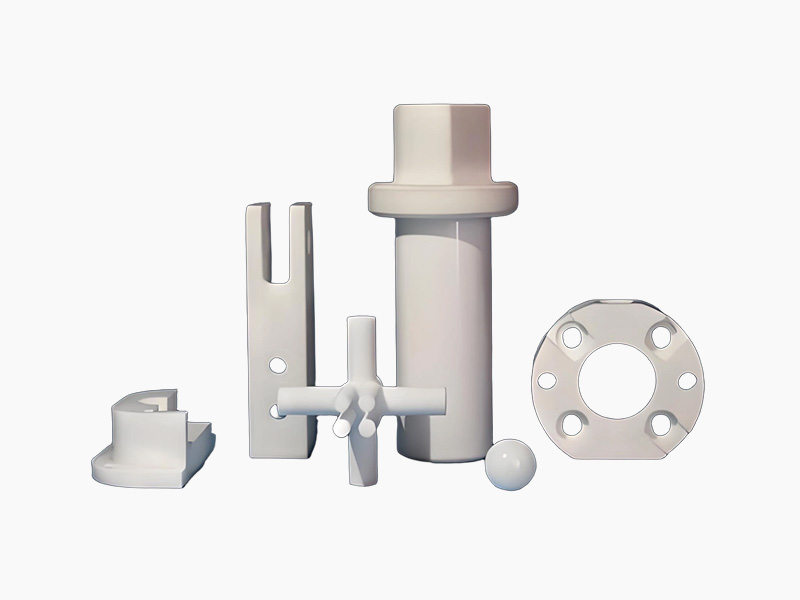
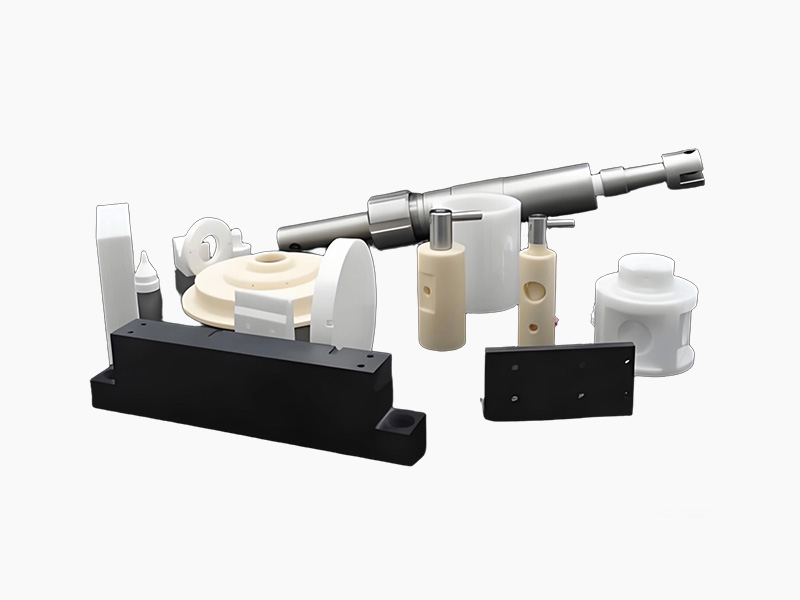




As industrial welding technology evolves, so too do the components that support it. Ceramic Welding Pins, already a staple in modern welding operations, are poised for significant advancements driven by innovation, material science, and the growing demand for more efficient, durable, and sustainable welding solutions. The future of Ceramic Welding Pins will be shaped by emerging trends such as advanced material development, integration with smart manufacturing, and a focus on sustainability—all aimed at enhancing performance, reducing costs, and meeting the evolving needs of industries worldwide.
One of the most prominent emerging trends in Ceramic Welding Pins is the development of advanced ceramic materials. Traditional ceramic materials like alumina and zirconia have served the industry well, but researchers and manufacturers are now exploring new materials and composites to push the boundaries of performance. For example, silicon nitride-zirconia composites are being developed to combine the extreme heat resistance of silicon nitride with the toughness of zirconia, creating Ceramic Welding Pins that can withstand even higher temperatures (up to 1800°C) and resist impact better than ever before. These advanced composites will be particularly valuable in high-performance applications such as aerospace engine welding and nuclear component manufacturing.
Another key innovation is the integration of Ceramic Welding Pins with smart manufacturing technologies. As Industry 4.0 continues to transform industrial operations, welding systems are becoming more automated and data-driven. Future Ceramic Welding Pins may be equipped with embedded sensors that monitor temperature, wear, and alignment in real time. These sensors will provide valuable data to operators, allowing them to predict pin failure, schedule maintenance proactively, and optimize welding processes. For example, a sensor-equipped Ceramic Welding Pin could alert operators when it is approaching the end of its lifespan, preventing unplanned downtime and ensuring consistent weld quality.
Sustainability is also becoming a critical focus in the development of Ceramic Welding Pins. Manufacturers are increasingly looking for ways to reduce the environmental impact of their products, and Ceramic Welding Pins are no exception. One trend is the use of recycled ceramic materials in pin production. By repurposing waste ceramic from other manufacturing processes, manufacturers can reduce raw material consumption and lower carbon emissions. Additionally, the long lifespan of Ceramic Welding Pins themselves contributes to sustainability by reducing the number of pins discarded, minimizing waste in landfills.
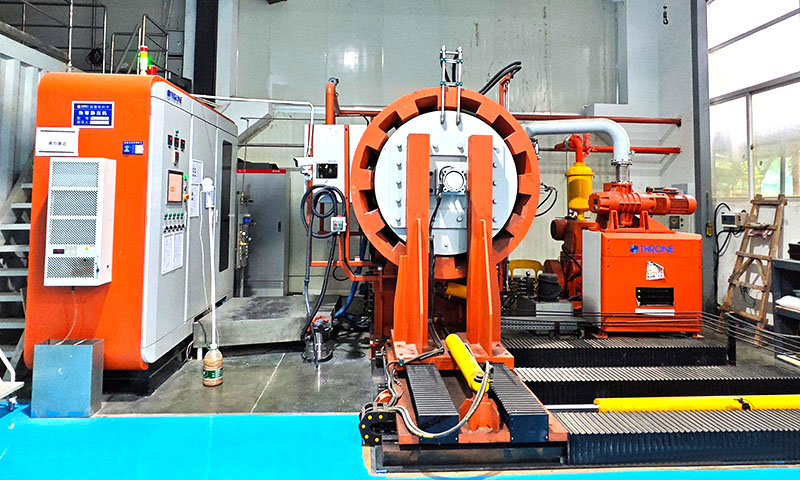
Improved manufacturing techniques are also driving innovation in Ceramic Welding Pins. Advanced sintering processes, such as microwave sintering and spark plasma sintering, are being used to produce pins with higher density, better strength, and tighter tolerances. These techniques reduce production time and energy consumption, making Ceramic Welding Pins more cost-effective and environmentally friendly. Additionally, 3D printing (additive manufacturing) is emerging as a viable method for producing custom Ceramic Welding Pins with complex geometries that were previously impossible to achieve with traditional manufacturing methods. 3D printing allows for greater design flexibility, faster prototyping, and on-demand production, reducing lead times and inventory costs.
The demand for miniaturized Ceramic Welding Pins is another emerging trend, driven by the growth of micro-welding applications in industries such as electronics and medical device manufacturing. Miniaturized Ceramic Welding Pins, with diameters as small as 1mm, are required for precise positioning of tiny components, such as microchips and medical implants. These pins must maintain the same high-temperature resistance, durability, and precision as larger pins, presenting new challenges for material science and manufacturing. Innovations in micro-machining and material formulation are making these miniaturized pins a reality, expanding the range of applications for Ceramic Welding Pins.
Another trend is the development of Ceramic Welding Pins with enhanced surface coatings. Advanced coatings, such as diamond-like carbon (DLC) and ceramic oxide layers, are being applied to the surface of pins to further improve wear resistance, reduce friction, and prevent weld spatter adhesion. These coatings extend the lifespan of the pins even further and improve their performance in harsh environments. For example, a DLC-coated Ceramic Welding Pin can withstand more welding cycles than an uncoated pin, reducing replacement costs and downtime.
The future of Ceramic Welding Pins also includes greater standardization and global harmonization of specifications. As Ceramic Welding Pins are used in increasingly global supply chains, there is a growing need for consistent quality standards and specifications across different regions. This will ensure that manufacturers can source high-quality pins from any supplier, reducing the risk of compatibility issues and ensuring consistent performance across international operations.
In conclusion, the future of Ceramic Welding Pins is bright, with innovations in materials, manufacturing, and smart technology driving their evolution. From advanced composites and sensor integration to sustainability and miniaturization, these trends will enhance the performance, efficiency, and versatility of Ceramic Welding Pins, making them even more indispensable in industrial welding operations. As industries continue to demand higher standards of precision, durability, and sustainability, Ceramic Welding Pins will remain at the forefront of welding technology innovation.