All the most important and interesting things about the Huaci company. Learn about the company's new products, developments and major achievements.
Choosing the right Ceramic Welding Pins for your application is critical to ensuring optimal performance, durability, and cost-effectiveness. With a wide range of materials, sizes, and designs available, it can be challenging to select the best pin for your specific needs. However, by considering key factors such as application requirements, material properties, and design specifications, you can make an informed decision that meets your welding goals.
The automotive industry is one of the largest users of Ceramic Welding Pins, thanks to their precision, durability, and ability to withstand the harsh conditions of automotive welding operations. From body panel assembly to nut welding, Ceramic Welding Pins play a critical role in ensuring the quality and efficiency of automotive manufacturing processes. As automotive manufacturers strive to improve production efficiency and reduce costs, Ceramic Welding Pins have become an indispensable component in their operations.
When it comes to welding pins, manufacturers often face the choice between Ceramic Welding Pins and traditional metal welding pins. While metal pins have been used for decades, Ceramic Welding Pins have emerged as a superior alternative in many applications due to their unique properties. Understanding the key differences between these two types of pins is essential for selecting the right component for your welding needs.
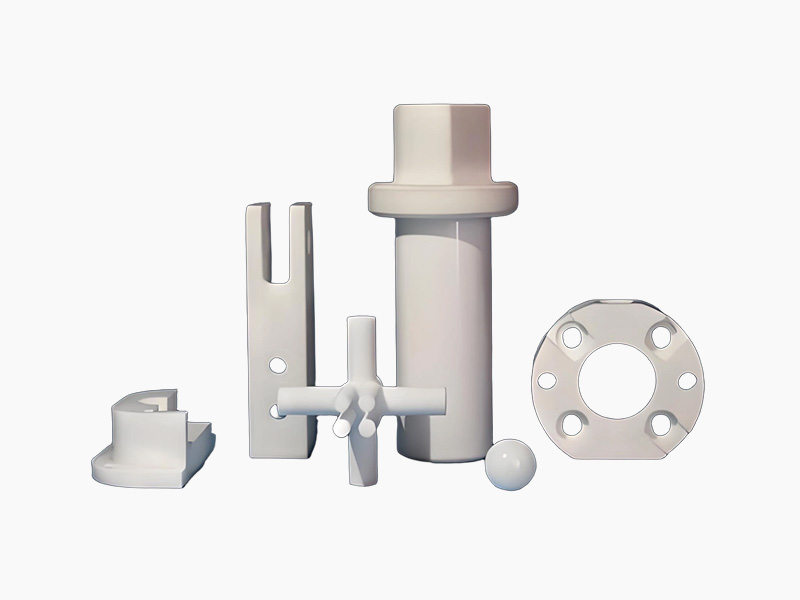
Ceramic Welding Pins are distinguished by their high-performance ceramic materials, which are carefully selected based on the specific requirements of the welding application. The choice of material directly impacts the pin’s durability, heat resistance, electrical properties, and overall performance. The most common materials used in manufacturing Ceramic Welding Pins include alumina, zirconia, and silicon nitride, each offering unique advantages that make them suitable for different welding scenarios.
Ceramic Welding Pins are specialized components designed to enhance precision, durability, and safety in various welding applications. Unlike traditional metal welding pins, these pins are crafted from high-quality ceramic materials—typically alumina, zirconia, or silicon nitride—that offer unique properties tailored to the harsh conditions of welding environments. From automotive manufacturing to aerospace engineering, Ceramic Welding Pins play a critical role in ensuring consistent performance and long-term reliability.
Robotic welding has become a cornerstone of modern industrial manufacturing, offering unparalleled speed, consistency, and efficiency in high-volume production lines. As robotic welding systems become more advanced, the demand for reliable, high-performance components has grown—and Ceramic Welding Pins have emerged as a critical element in optimizing robotic welding operations. Unlike traditional metal pins, Ceramic Welding Pins deliver the precision, durability, and stability needed to support the continuous, automated nature of robotic welding, making them an indispensable component for manufacturers looking to maximize productivity and weld quality.