All the most important and interesting things about the Huaci company. Learn about the company's new products, developments and major achievements.
As industries around the world strive to become more sustainable and eco-friendly, the environmental impact of materials and components has become a critical consideration. Silicon nitride balls, as high-performance ceramic components, offer several environmental benefits compared to traditional metal balls, making them a more sustainable choice for industrial applications. This article explores the environmental impact of silicon nitride balls, from their production to their end-of-life disposal, and how they contribute to a more sustainable future.
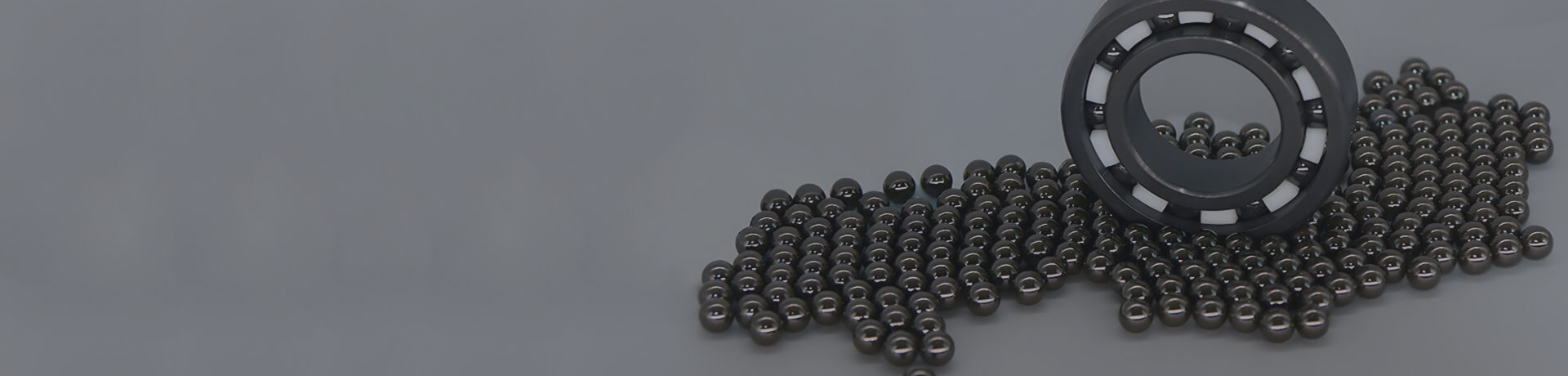
Bearings are critical components in industrial machinery, responsible for reducing friction and enabling smooth, precise movement. The performance of bearings depends largely on the material used for their rolling elements, and silicon nitride balls have become a preferred choice for high-performance bearings in industrial applications. This article explores how silicon nitride balls improve bearing performance, from reducing friction to extending service life, and why they are becoming increasingly popular in industrial machinery.
The medical device industry requires components that are not only precise and durable but also biocompatible—safe for use in the human body. Silicon nitride balls have emerged as a valuable material in medical devices, thanks to their exceptional properties, including biocompatibility, corrosion resistance, and precision. From orthopedic implants to medical diagnostics, these ceramic balls play a critical role in improving patient outcomes and advancing medical technology.
The aerospace industry demands components that can withstand extreme conditions—high temperatures, high pressures, and intense vibrations—while maintaining precision and reliability. Silicon nitride balls have emerged as a critical component in aerospace applications, thanks to their exceptional mechanical, thermal, and chemical properties. From gas turbines to aircraft bearings, these ceramic balls play a vital role in ensuring the safety and efficiency of aerospace systems.
When it comes to selecting spherical components for industrial applications, the choice between silicon nitride balls and traditional steel balls is a critical one. Both materials have their strengths, but silicon nitride balls have emerged as a superior option for many demanding applications due to their unique properties. This article provides a comprehensive comparison between silicon nitride balls and steel balls, highlighting the key differences in performance, durability, and suitability for various industries.
The production of silicon nitride balls is a complex, multi-step process that requires precision, advanced technology, and strict quality control. Unlike traditional metal balls, which are often forged or machined, silicon nitride balls are made from ceramic powder, requiring specialized sintering and shaping techniques to achieve the high precision and performance that define them. This article explores the key steps in manufacturing silicon nitride balls, from raw material preparation to the final finishing touches.