All the most important and interesting things about the Huaci company. Learn about the company's new products, developments and major achievements.
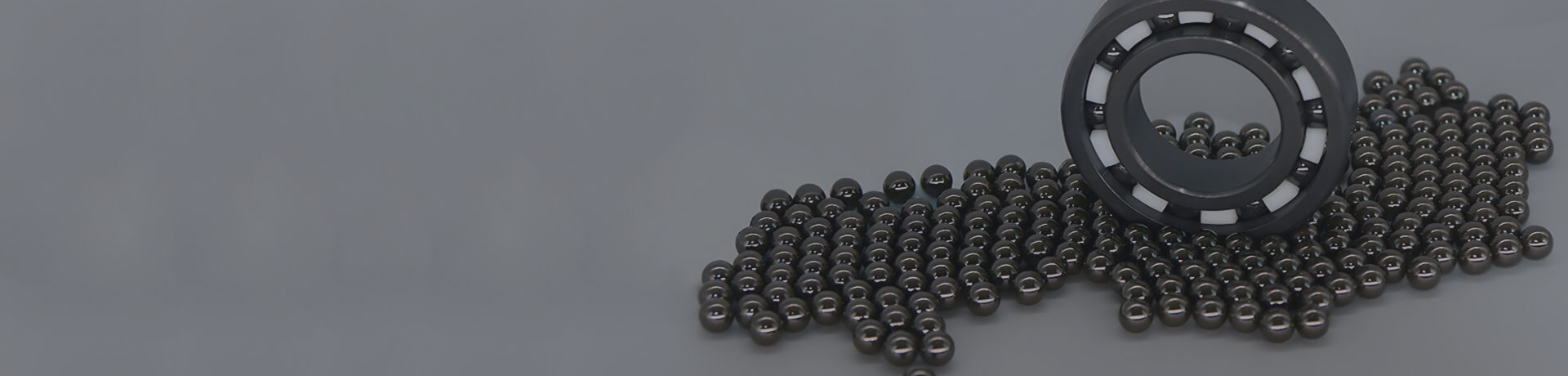
Many buyers give up silicon nitride balls due to their high initial purchase price. However, judging from the full life cycle cost of equipment, silicon nitride balls have obvious economic advantages. Comprehensive cost analysis can help enterprises correctly recognize the economic value of high-performance ceramic balls.
In electronic equipment, magnetic testing instruments and precision medical devices, magnetic interference will lead to data deviation and equipment failure. Silicon nitride balls have natural non-magnetic and insulating properties, which solve the magnetic interference problem of metal rolling balls and become the core component of anti-magnetic precision equipment.
Food processing machinery has strict requirements for material safety, wear resistance and easy cleaning. Metal balls are easy to rust and shed metal impurities, which cannot meet food-grade hygiene standards. Silicon nitride balls are non-toxic, sanitary and corrosion-resistant, becoming an important component of food processing equipment.
Temperature is one of the key environmental factors affecting the service life of rolling components. Unlike metal balls that fail easily under high temperature, silicon nitride balls have excellent high-temperature stability. Understanding the temperature influence rule can maximize the service life of silicon nitride balls in different thermal environments.
In the industrial market, silicon nitride balls are mainly divided into hot pressed silicon nitride balls and gas pressure sintered silicon nitride balls. These two production processes lead to obvious differences in density, toughness, production cost and application scenarios. Purchasers need to distinguish material types to select suitable silicon nitride balls.
Most industrial rolling bearings work under long-term cyclic load, and material fatigue failure is the main cause of bearing scrapping. Silicon nitride balls have excellent anti-fatigue performance, which is far better than steel balls and other ceramic balls. Analyzing its fatigue resistance mechanism can help industries reduce equipment downtime caused by material fatigue damage.