All the most important and interesting things about the Huaci company. Learn about the company's new products, developments and major achievements.
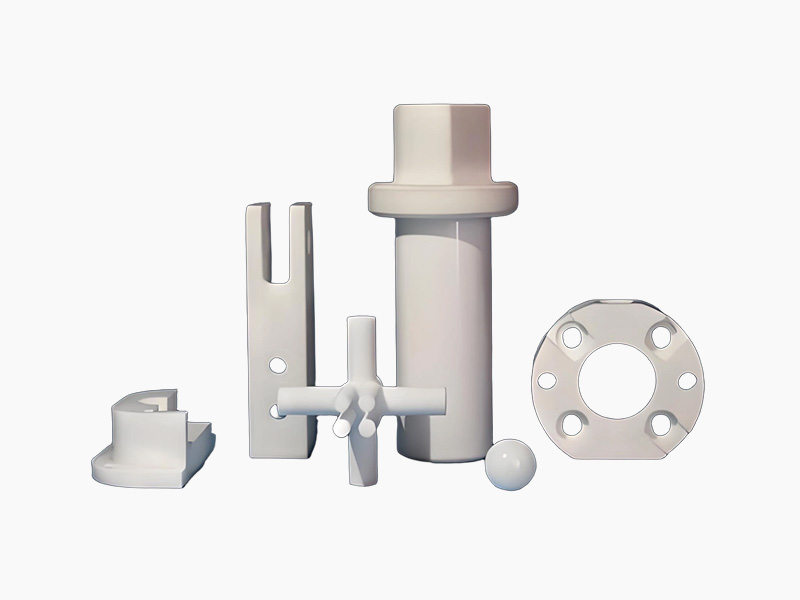
Ceramic Welding Pins deliver exceptional performance in industrial welding operations, but their effectiveness and lifespan depend heavily on proper installation and regular maintenance. Even the highest-quality Ceramic Welding Pins can fail prematurely or underperform if installed incorrectly or neglected. To maximize the value, durability, and safety of Ceramic Welding Pins, manufacturers and operators must follow best practices for installation, inspection, and maintenance. This article outlines the most common and critical tips to ensure optimal performance and extend the service life of Ceramic Welding Pins across various welding applications.
As industrial welding technology evolves, so too do the components that support it. Ceramic Welding Pins, already a staple in modern welding operations, are poised for significant advancements driven by innovation, material science, and the growing demand for more efficient, durable, and sustainable welding solutions. The future of Ceramic Welding Pins will be shaped by emerging trends such as advanced material development, integration with smart manufacturing, and a focus on sustainability—all aimed at enhancing performance, reducing costs, and meeting the evolving needs of industries worldwide.
Every industrial welding operation has unique requirements, from specific workpiece dimensions to extreme environmental conditions. While standard Ceramic Welding Pins work well for most applications, many manufacturers require custom solutions to address their unique challenges. Custom Ceramic Welding Pins are tailored to meet specific size, shape, material, and performance requirements, ensuring optimal compatibility with welding fixtures, workpieces, and processes.
In industrial welding, ceramic components are widely used for their unique properties, but many manufacturers confuse Ceramic Welding Pins with Ceramic Ferrules. While both are made from ceramic materials and used in welding operations, they serve distinct purposes, have different designs, and are suited for different applications. Understanding the key differences between Ceramic Welding Pins and Ceramic Ferrules is essential for choosing the right component for your welding project, ensuring optimal performance and avoiding costly mistakes.
In industrial manufacturing, cost efficiency is a key driver of profitability, and welding operations are no exception. Every component used in welding, from equipment to consumables, impacts the overall cost of production. Ceramic Welding Pins have emerged as a cost-effective alternative to traditional metal welding pins, offering long-term savings that far outweigh their initial investment. By reducing replacement costs, minimizing downtime, and improving weld quality, Ceramic Welding Pins deliver significant cost benefits to manufacturers across various industries.
Welding is a hazardous process that involves high temperatures, electrical current, and potentially dangerous fumes and sparks. Ensuring the safety of workers and equipment is a top priority in any welding operation. Ceramic Welding Pins are not only beneficial for improving weld quality and efficiency but also for enhancing safety in welding processes. Their unique properties help mitigate common welding hazards, reducing the risk of accidents and injuries.