




Selecting the right silicon nitride balls for your industrial application is crucial to ensuring optimal performance, reliability, and cost-effectiveness. With a wide range of sizes, precision grades, and material variations available, it can be challenging to determine which silicon nitride balls are best suited for your needs. This article provides a step-by-step guide to choosing the right silicon nitride balls, covering key factors such as size, precision, material grade, and application requirements.
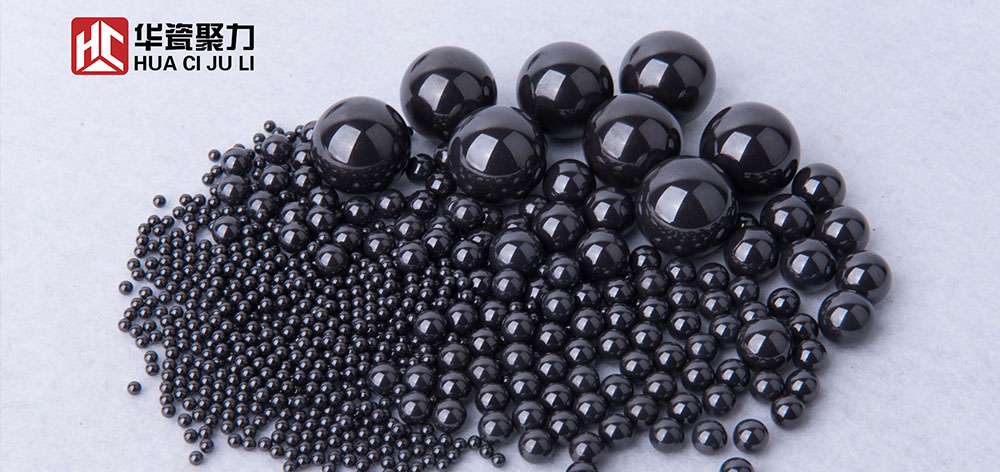
The first step in choosing silicon nitride balls is to determine the size requirements. Silicon nitride balls are available in diameters ranging from 0.5 mm to 100 mm, and the size you choose will depend on the application. For example, small silicon nitride balls (0.5–6 mm) are ideal for precision instruments and medical devices, while larger balls (10–100 mm) are used in industrial machinery, wind turbines, and aerospace components. It is important to select a size that fits the bearing or component where the balls will be used, ensuring a proper fit and optimal performance.
Next, consider the precision grade of the silicon nitride balls. Precision grades are defined by ISO 3290-2, with G3 being the most precise and G16 being the least precise. The precision grade you choose will depend on the application’s requirements for roundness, dimensional tolerance, and surface finish. For high-precision applications, such as machine tool spindles and medical devices, G5 or G10 grade silicon nitride balls are recommended. For general industrial applications, G16 grade may be sufficient, offering a balance of performance and cost.
Material grade is another important factor to consider. Silicon nitride balls are available in different material grades, including gas-pressure sintered (GPS) silicon nitride, hot-pressed silicon nitride, and high-thermal-conductivity silicon nitride. GPS silicon nitride is the most common grade, offering a balance of hardness, toughness, and cost-effectiveness. Hot-pressed silicon nitride is harder and more durable, making it ideal for high-load applications. High-thermal-conductivity silicon nitride is designed for high-temperature applications, where heat dissipation is critical.
Application requirements are also critical when choosing silicon nitride balls. Consider the operating environment: will the balls be exposed to high temperatures, corrosion, or heavy loads? For high-temperature applications, choose silicon nitride balls with a high maximum operating temperature (up to 1200°C). For corrosive environments, ensure the balls are made from a corrosion-resistant grade of silicon nitride. For high-load applications, select balls with high hardness and fracture toughness.
Cost is another factor to consider, but it should not be the sole determining factor. While silicon nitride balls are more expensive than steel balls, their longer service life, reduced maintenance, and improved efficiency often offset the initial cost. It is important to balance cost with performance, selecting the highest-quality silicon nitride balls that fit within your budget and meet your application’s requirements.
Finally, choose a reputable manufacturer that produces high-quality silicon nitride balls. Look for manufacturers with ISO certification, a proven track record, and positive customer reviews. A reputable manufacturer will provide detailed technical specifications, quality assurance reports, and support to help you select the right silicon nitride balls for your application.