All the most important and interesting things about the Huaci company. Learn about the company's new products, developments and major achievements.
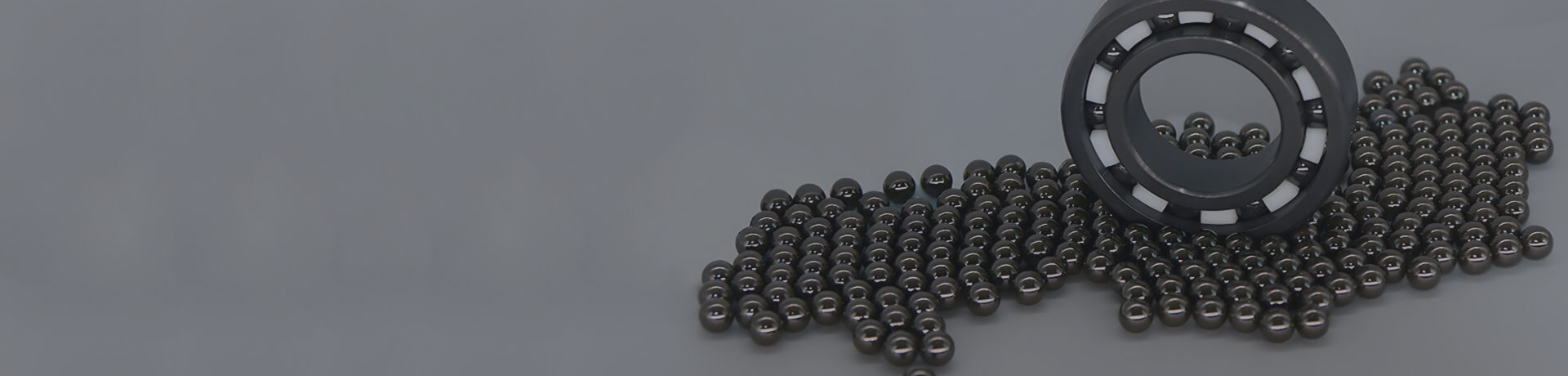
Although silicon nitride balls have excellent wear resistance, long-term harsh working conditions will still cause different forms of wear failure. Mastering wear types and causes is conducive to optimizing working conditions and extending service life.
Incorrect installation will cause surface damage and precision loss of silicon nitride balls. Standardized installation steps can avoid artificial damage and give full play to the performance advantages of ceramic bearings. This article summarizes the universal installation guidelines for silicon nitride ball bearings.
Many industrial equipment such as hydraulic machinery and mining equipment work under ultra-high pressure. The pressure resistance of rolling balls directly determines equipment safety. Silicon nitride balls have excellent high-pressure resistance, which is inseparable from its internal crystal structure.
Industrial robots require high positioning accuracy, repeated movement stability and long continuous working time. The joint bearings and linear guide parts of robots use silicon nitride balls to improve motion precision and service life.
Alumina ceramic balls are low-cost ordinary ceramic rolling elements, widely used in low-end industrial equipment. Compared with alumina balls, silicon nitride balls have comprehensive performance advantages in toughness, temperature resistance and fatigue resistance, becoming the preferred material for high-end industrial equipment.
Silicon nitride balls have long service life, but a small number of waste and defective balls will still be produced in industrial production. As an environmentally friendly ceramic material, waste silicon nitride balls can be recycled and reused to realize resource circulation and reduce industrial waste.