





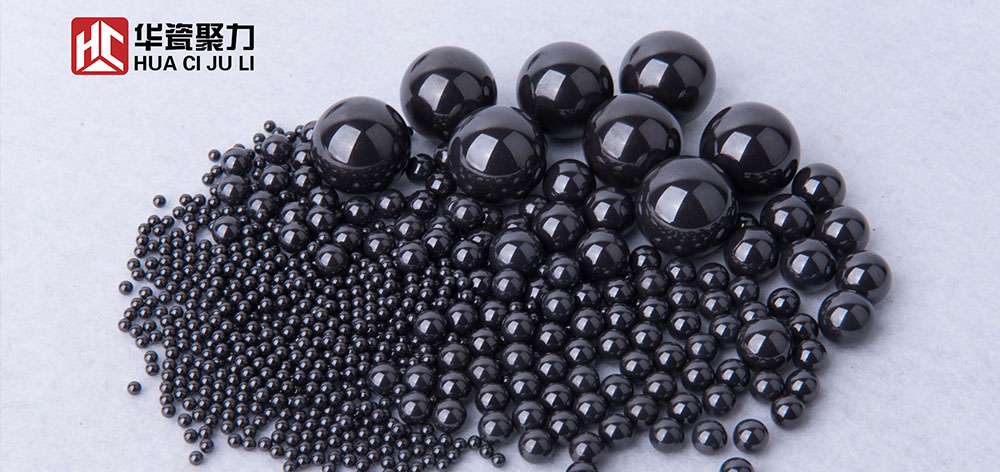
Silicon nitride balls may seem like a modern innovation, but their history dates back several decades, with advancements in ceramic technology driving their evolution. From their early development as a laboratory material to their widespread use in industrial, aerospace, and medical applications, silicon nitride balls have come a long way. This article explores the history and evolution of silicon nitride balls, highlighting key milestones and technological advancements that have shaped their development.
The development of silicon nitride as a material began in the early 20th century, but it was not until the 1950s that researchers began to explore its potential for use in ceramic components. In the 1960s, advances in sintering technology made it possible to produce dense, high-quality silicon nitride ceramics, laying the groundwork for the production of silicon nitride balls. At this time, silicon nitride was primarily used in high-temperature applications, such as gas turbines and industrial furnaces, due to its exceptional thermal stability.
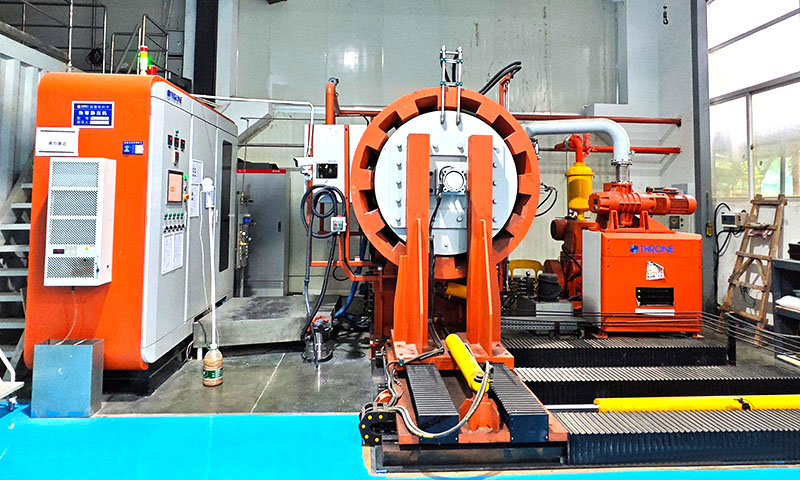
In the 1970s and 1980s, researchers focused on improving the production processes of silicon nitride balls, developing new shaping and sintering techniques to enhance their precision and performance. The introduction of isostatic pressing and gas-pressure sintering allowed manufacturers to produce silicon nitride balls with higher density, better roundness, and improved mechanical properties. During this period, silicon nitride balls began to be used in bearings, replacing steel balls in high-performance applications where durability and precision were critical.
The 1990s saw a significant expansion in the applications of silicon nitride balls. With the growth of the aerospace and medical industries, the demand for high-performance, biocompatible components increased, and silicon nitride balls emerged as a preferred choice. Advances in precision machining and finishing techniques allowed for the production of silicon nitride balls with ultra-smooth surfaces and tight dimensional tolerances, making them suitable for use in precision instruments, orthopedic implants, and dental devices.
In the 2000s and 2010s, the rise of renewable energy and electric vehicles drove further innovation in silicon nitride ball technology. Manufacturers developed new material grades with improved thermal conductivity and wear resistance, making silicon nitride balls ideal for use in wind turbines, EV drivetrains, and other renewable energy components. Additionally, advancements in 3D printing technology allowed for the production of custom-shaped silicon nitride balls, expanding their applications to include complex, non-standard components.
Today, silicon nitride balls are used in a wide range of industries, from aerospace and medical to automotive and renewable energy. The ongoing evolution of silicon nitride ball technology continues, with researchers and manufacturers working to improve their performance, reduce their cost, and expand their applications. As technology advances, silicon nitride balls are expected to play an even more critical role in modern industry, driving innovation and improving the efficiency and reliability of equipment worldwide.