
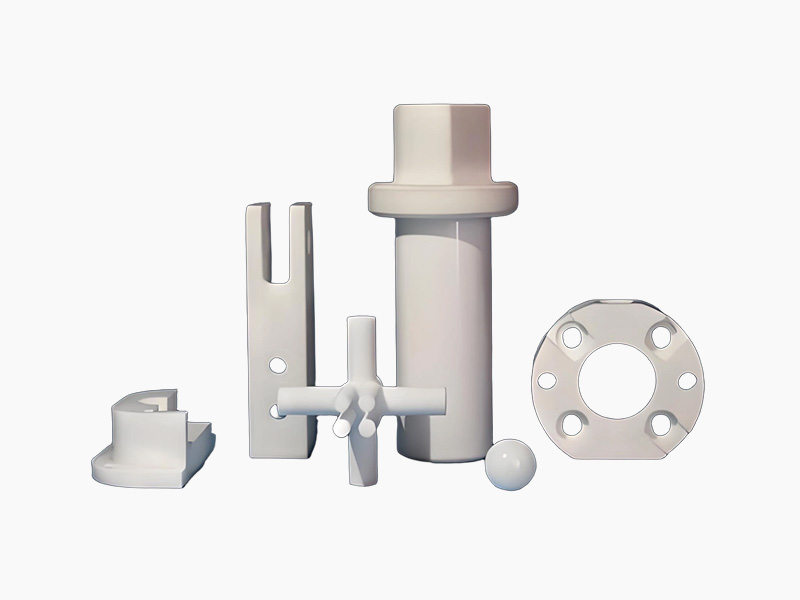
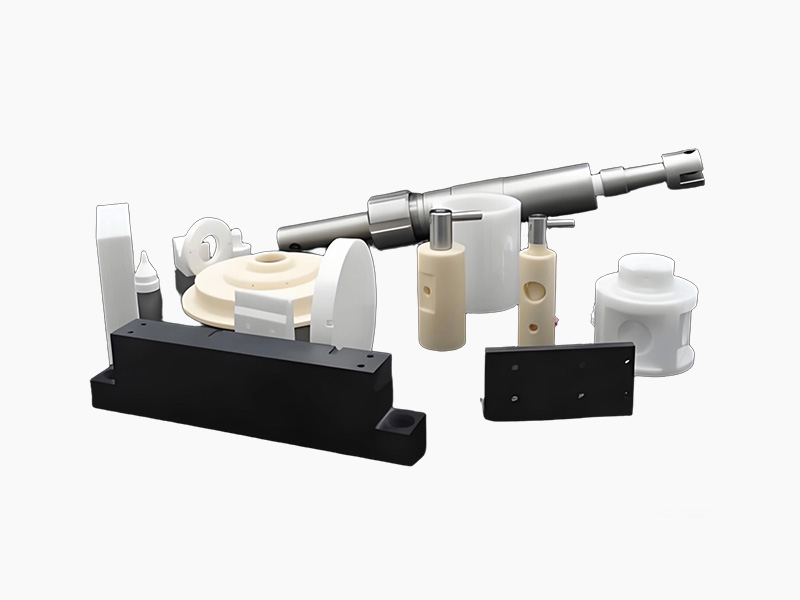




In industrial manufacturing, cost efficiency is a key driver of profitability, and welding operations are no exception. Every component used in welding, from equipment to consumables, impacts the overall cost of production. Ceramic Welding Pins have emerged as a cost-effective alternative to traditional metal welding pins, offering long-term savings that far outweigh their initial investment. By reducing replacement costs, minimizing downtime, and improving weld quality, Ceramic Welding Pins deliver significant cost benefits to manufacturers across various industries.
One of the most significant cost-saving benefits of Ceramic Welding Pins is their long lifespan. Metal welding pins wear down quickly due to exposure to high temperatures, corrosion, and abrasion, requiring frequent replacements. This not only increases the cost of consumables but also leads to unplanned downtime as workers stop production to change pins. Ceramic Welding Pins, however, are made from durable ceramic materials that resist wear, corrosion, and high temperatures. They can withstand thousands of welding cycles without degrading, reducing the frequency of replacements by 50% or more compared to metal pins. This translates to lower consumable costs and less time spent on maintenance, directly improving cost efficiency.
Ceramic Welding Pins also reduce downtime by minimizing the need for manual cleaning and maintenance. Metal pins accumulate weld spatter, which requires regular cleaning to prevent misalignment and poor weld quality. Cleaning metal pins is a time-consuming process that takes workers away from productive welding tasks. Ceramic Welding Pins have a smooth, non-stick surface that prevents weld spatter from adhering, eliminating the need for frequent cleaning. This saves valuable labor time, allowing workers to focus on welding, which increases overall productivity and reduces labor costs.
Improved weld quality is another way Ceramic Welding Pins enhance cost efficiency. Metal pins often lead to misalignment, uneven welds, and defects due to wear, thermal deformation, or electrical current diversion. These defects require rework, which increases material waste and labor costs. Ceramic Welding Pins provide precise positioning and electrical insulation, ensuring consistent, high-quality welds with fewer defects. This reduces the need for rework, lowering material waste and saving labor time. In high-volume production lines, even a small reduction in defects can result in significant cost savings.
The thermal stability of Ceramic Welding Pins also contributes to cost efficiency. Metal pins can deform or melt under high temperatures, leading to workpiece misalignment and failed welds. This not only wastes materials but also requires additional time to reposition the workpiece and restart the welding process. Ceramic Welding Pins maintain their dimensions even under extreme heat, ensuring consistent positioning and reducing the risk of failed welds. This stability minimizes material waste and production delays, further lowering costs.
Ceramic Welding Pins also reduce equipment maintenance costs. Metal pins can cause damage to welding fixtures and equipment due to electrical conduction, wear, or spatter buildup. For example, conductive metal pins may short-circuit welding equipment, leading to costly repairs or replacements. Ceramic Welding Pins are non-conductive and resistant to wear, reducing the risk of equipment damage. This extends the lifespan of welding fixtures and equipment, lowering maintenance and replacement costs over time.
While Ceramic Welding Pins may have a higher initial cost than metal pins, their long-term cost savings more than offset this investment. For example, a single Ceramic Welding Pin can last 5–10 times longer than a metal pin, reducing the number of pins purchased annually. When combined with savings from reduced downtime, rework, and equipment maintenance, Ceramic Welding Pins deliver a strong return on investment. This makes them an ideal choice for manufacturers looking to improve cost efficiency without compromising on weld quality or safety.
In summary, Ceramic Welding Pins impact welding cost efficiency by reducing replacement costs, minimizing downtime, improving weld quality, reducing material waste, and lowering equipment maintenance costs. Their long lifespan, low maintenance requirements, and superior performance make them a cost-effective solution for industrial welding operations. By adopting Ceramic Welding Pins, manufacturers can reduce production costs, increase profitability, and gain a competitive edge in the market.