





In industrial welding, ceramic components are widely used for their unique properties, but many manufacturers confuse Ceramic Welding Pins with Ceramic Ferrules. While both are made from ceramic materials and used in welding operations, they serve distinct purposes, have different designs, and are suited for different applications. Understanding the key differences between Ceramic Welding Pins and Ceramic Ferrules is essential for choosing the right component for your welding project, ensuring optimal performance and avoiding costly mistakes.
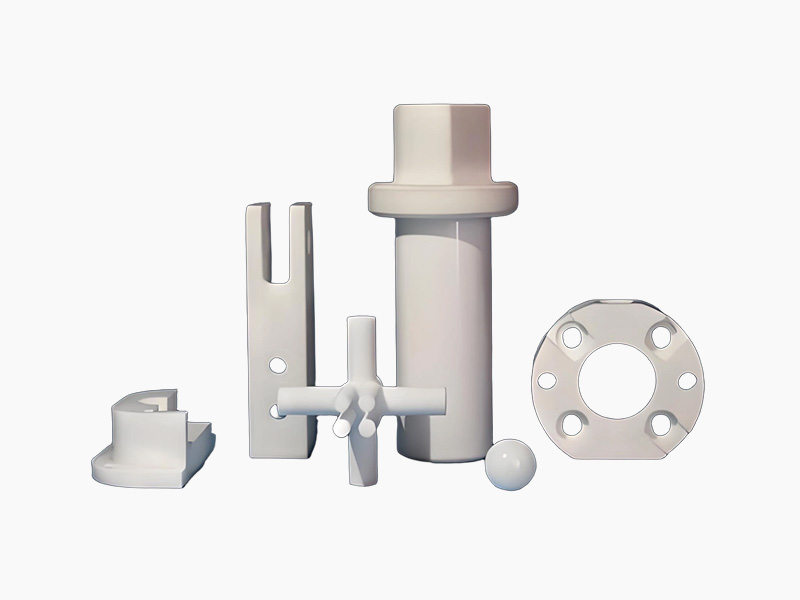
The most fundamental difference between Ceramic Welding Pins and Ceramic Ferrules lies in their core function. Ceramic Welding Pins are primarily designed for positioning and securing workpieces during welding. They act as precision guides to hold the workpiece in the correct alignment, preventing misalignment that could compromise weld quality. Their design is typically cylindrical or tapered, with a smooth or threaded surface to ensure a secure fit in the welding fixture. In contrast, Ceramic Ferrules are designed to protect the welding electrode and focus the arc during welding. They are cylindrical or conical components that fit around the electrode, shielding it from external contaminants and directing the arc to the weld joint.
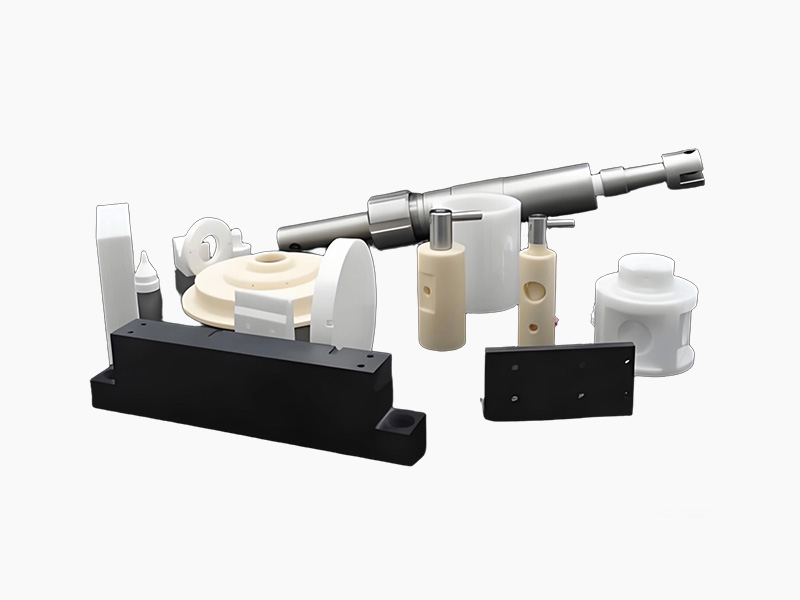
Design and structure also set these two ceramic components apart. Ceramic Welding Pins are solid, rigid components made from dense ceramic materials such as alumina, zirconia, or silicon nitride. They are engineered with tight tolerances to ensure precise positioning, often with a diameter ranging from 2mm to 20mm depending on the application. Some Ceramic Welding Pins feature threaded ends for attachment to welding fixtures, while others have tapered heads for secure workpiece placement. Ceramic Ferrules, on the other hand, are hollow, sleeve-like components with a central hole that fits around the welding electrode. They are typically made from alumina or zirconia and have a conical or cylindrical shape with a flared end to direct the arc and protect the weld pool.
Material selection for both components is similar, but the specific grade of ceramic may vary based on their function. Both Ceramic Welding Pins and Ceramic Ferrules are commonly made from alumina for general-purpose applications, as it offers good high-temperature resistance and cost-effectiveness. Zirconia is used for applications that require superior toughness and impact resistance, while silicon nitride is reserved for high-performance applications with extreme temperature or wear requirements. However, Ceramic Ferrules may use a lower-grade alumina in some cases, as their primary function is arc shielding rather than structural support, whereas Ceramic Welding Pins require higher density and strength for positioning.
Application areas further highlight the differences between the two components. Ceramic Welding Pins are used across a wide range of welding processes, including resistance welding, arc welding, robotic welding, and furnace welding. They are essential in automotive, aerospace, chemical, and manufacturing industries for positioning workpieces such as body panels, engine components, pipes, and insulation materials. Ceramic Ferrules, however, are primarily used in gas tungsten arc welding (GTAW) and gas metal arc welding (GMAW) processes. They are used to shield the electrode from oxidation, focus the arc, and prevent weld spatter from contaminating the electrode, which is critical for achieving clean, high-quality welds in precision applications.
Lifespan and maintenance requirements also differ between Ceramic Welding Pins and Ceramic Ferrules. Ceramic Welding Pins are highly durable and can withstand thousands of welding cycles without degrading, requiring minimal maintenance beyond regular cleaning. Their solid structure and resistance to wear, corrosion, and high temperatures make them long-lasting components. Ceramic Ferrules, however, are consumable components that are replaced after each welding cycle or when they become damaged. They are prone to cracking or breaking if exposed to excessive heat or impact, and their hollow structure makes them less durable than Ceramic Welding Pins.
Cost is another distinguishing factor. Ceramic Welding Pins have a higher initial cost due to their solid construction, tight tolerances, and high-quality ceramic materials. However, their long lifespan makes them cost-effective over time. Ceramic Ferrules are less expensive upfront but are consumed quickly, leading to higher long-term costs in high-volume welding operations. Manufacturers must balance upfront cost with long-term value when choosing between the two components.
In conclusion, Ceramic Welding Pins and Ceramic Ferrules are distinct ceramic components with different functions, designs, and applications. Ceramic Welding Pins are used for precise workpiece positioning, while Ceramic Ferrules are used for electrode shielding and arc focusing. Understanding these differences is critical for selecting the right component for your welding needs, ensuring optimal weld quality, efficiency, and cost-effectiveness. By choosing the appropriate ceramic component, manufacturers can enhance their welding operations and achieve better results.