




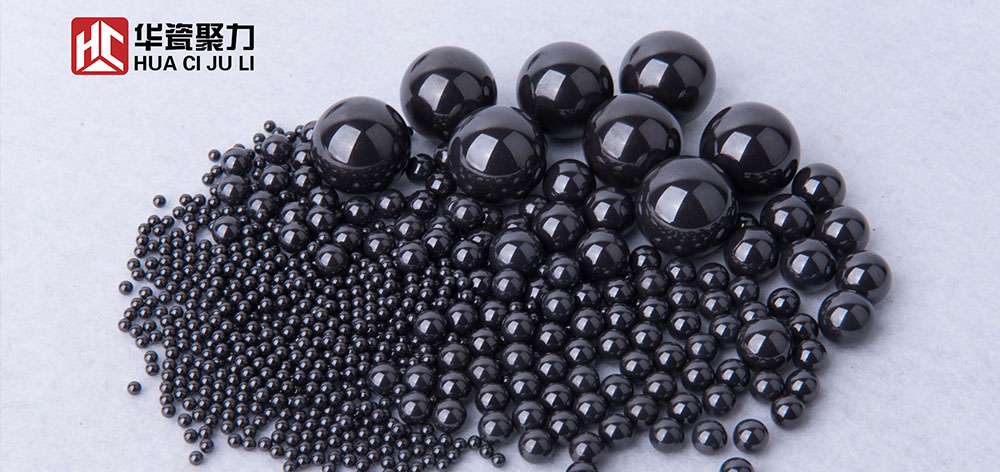
Many buyers give up silicon nitride balls due to their high initial purchase price. However, judging from the full life cycle cost of equipment, silicon nitride balls have obvious economic advantages. Comprehensive cost analysis can help enterprises correctly recognize the economic value of high-performance ceramic balls.
The initial procurement cost of silicon nitride balls is 3 to 5 times higher than that of ordinary steel balls. Complex sintering process, high-purity raw materials and precision polishing technology lead to high manufacturing cost. In short-term low-demand equipment, the cost advantage is not obvious.
Maintenance cost is greatly reduced in long-term operation. The service life of silicon nitride balls is 8 to 15 times that of steel balls. It reduces the frequency of bearing replacement, saves labor cost of disassembly and assembly, and avoids shutdown loss caused by component replacement.
Energy consumption cost is effectively controlled. Low friction coefficient reduces equipment running resistance and motor power consumption. For high-speed rotating equipment, the energy saving rate can reach 5% to 12% every year. Long-term energy saving offsets the high initial procurement cost.
Failure loss cost is minimized. Steel balls are prone to sudden failure such as rust, deformation and fatigue peeling. Sudden shutdown will cause production line stagnation and raw material waste. Silicon nitride balls have stable performance and low failure rate, reducing unexpected economic loss.
After three to five years of use, the comprehensive use cost of silicon nitride balls is far lower than that of steel balls. For continuous production industrial equipment, high-speed motors and energy-saving equipment, silicon nitride balls are the most cost-effective choice.