




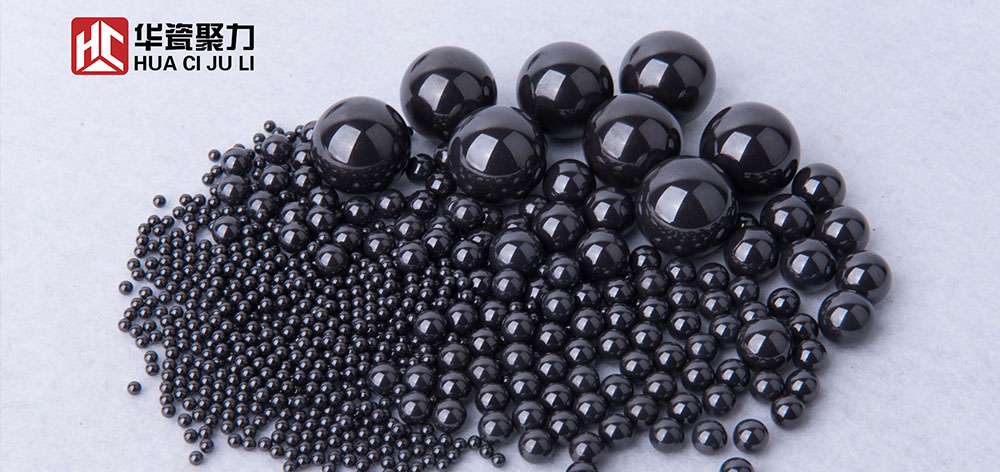
Although silicon nitride balls have excellent wear resistance, long-term harsh working conditions will still cause different forms of wear failure. Mastering wear types and causes is conducive to optimizing working conditions and extending service life.
Abrasive wear is the most common failure form. Hard impurity particles in lubricating oil roll between the ball and raceway, scratching the ceramic surface. Long-term accumulation forms uniform wear marks and increases surface roughness.
Fatigue peeling occurs under cyclic alternating load. Tiny fatigue cracks are generated inside the ball after long-term operation. The cracks expand to cause surface material peeling, forming pits on the ball surface.
Adhesive wear appears under poor lubrication. Dry friction makes the local temperature too high, resulting in surface molecular adhesion. The surface material is torn during rolling, causing irregular wear.
Corrosive wear happens in chemical environment. Acid and alkali medium slowly erodes the surface passivation layer, forming tiny corrosion pits. The pits expand under friction and accelerate ball failure.
Targeted improvement measures can reduce wear failure: filter lubricant impurities, optimize lubrication system, avoid overload operation and isolate corrosive medium.