




The production of silicon nitride balls is a complex, multi-step process that requires precision, advanced technology, and strict quality control. Unlike traditional metal balls, which are often forged or machined, silicon nitride balls are made from ceramic powder, requiring specialized sintering and shaping techniques to achieve the high precision and performance that define them. This article explores the key steps in manufacturing silicon nitride balls, from raw material preparation to the final finishing touches.
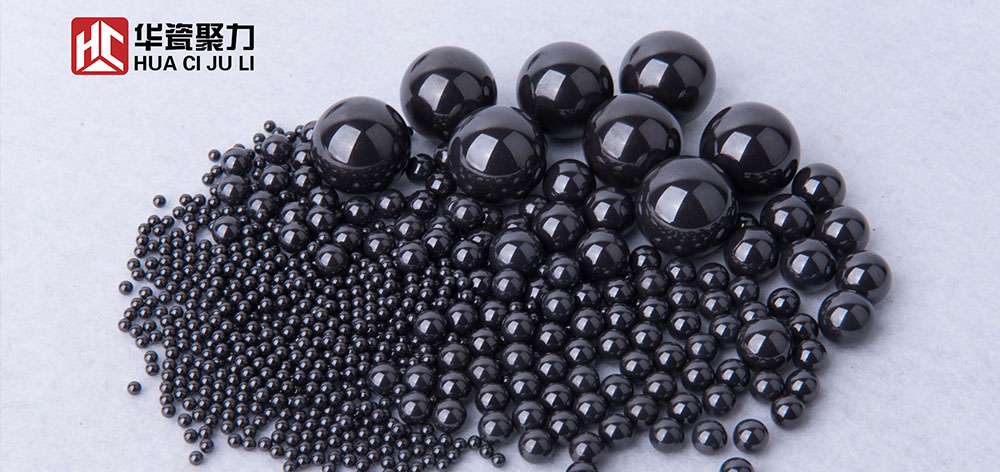
The process begins with the selection of high-purity silicon nitride powder. The quality of the powder is critical, as impurities can compromise the mechanical properties of the final product. Typically, the powder is composed of silicon nitride (Si₃N₄) particles with a small amount of sintering additives, such as yttria or alumina, which help promote densification during the sintering process. The powder is then mixed with a binder to form a homogeneous mixture, which is necessary for shaping the balls.
Next, the mixture is shaped into spherical forms using one of several processes. Common methods include mold pressing, isostatic pressing, injection molding, and rolling molding. Mold pressing is a cost-effective option for medium-batch production, using a hydraulic press to shape the powder into spherical blanks. Isostatic pressing, on the other hand, uses high-pressure liquid to apply uniform pressure to the powder, resulting in blanks with high density and uniform structure—ideal for high-precision applications. Injection molding is used for large-scale production, allowing for tight tolerance control and complex shapes, while rolling molding is suitable for production of standard-sized balls.
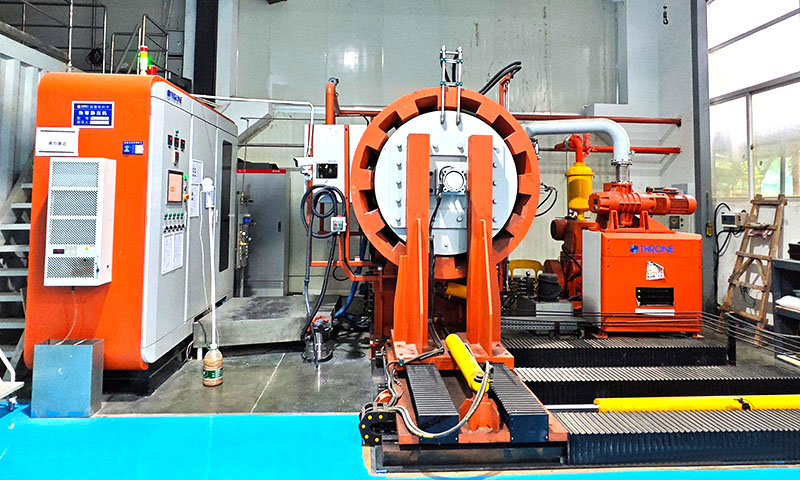
After shaping, the spherical blanks are dried to remove moisture and excess binder. This step is crucial to prevent cracking during the sintering process. The dried blanks are then sintered in a high-temperature furnace, typically at temperatures between 1600°C and 1800°C. Sintering causes the powder particles to bond together, forming a dense, solid structure. The type of sintering process—such as gas-pressure sintering or hot isostatic pressing—depends on the desired properties of the final product. Gas-pressure sintering uses nitrogen gas to prevent oxidation, while hot isostatic pressing combines high temperature and pressure to achieve maximum density.
Once sintered, the silicon nitride balls undergo a series of finishing processes to achieve the required precision, surface finish, and roundness. This includes grinding, lapping, and polishing, which remove any surface imperfections and ensure the balls meet strict dimensional tolerances. The final step is quality control, where each ball is inspected for hardness, density, roundness, and surface roughness. Balls that do not meet the required standards are rejected, ensuring only high-quality products reach the market.
The manufacturing process of silicon nitride balls is a testament to the advanced engineering and precision required to produce high-performance ceramic components. Each step, from raw material selection to finishing, plays a critical role in determining the final quality and performance of the balls. As demand for silicon nitride balls grows across various industries, manufacturers continue to refine their processes, improving efficiency and reducing costs while maintaining the exceptional properties that make these balls indispensable.