Mohs hardness: 8-8.5.
Vickers hardness: 11.5 GPa.
Fracture toughness: 8-10 MPa·m¹/².
Melting point: Approximately 2700℃.
Thermal shock stability: 250℃.
Density: Approximately 6 g/cm³.
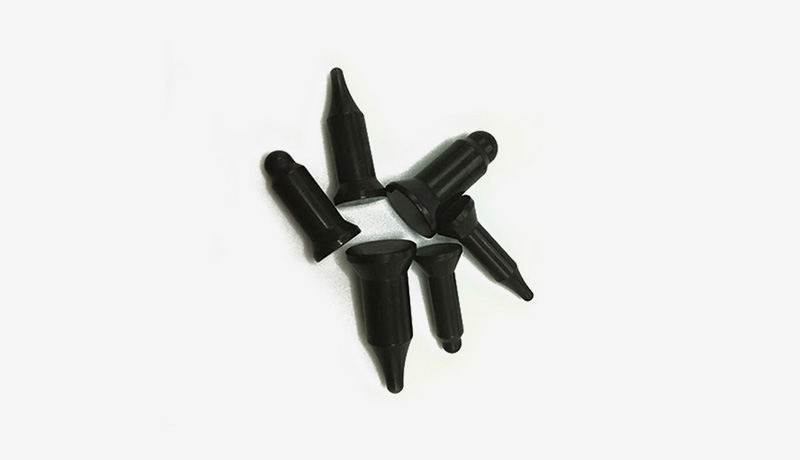
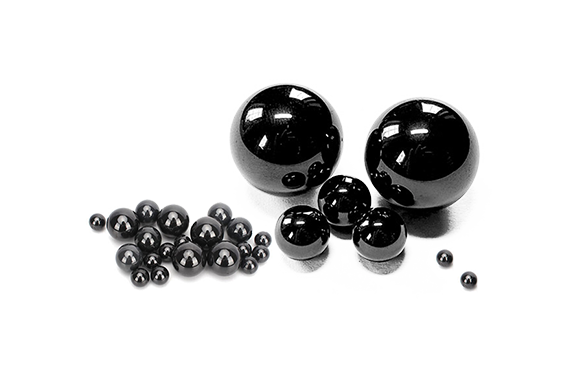
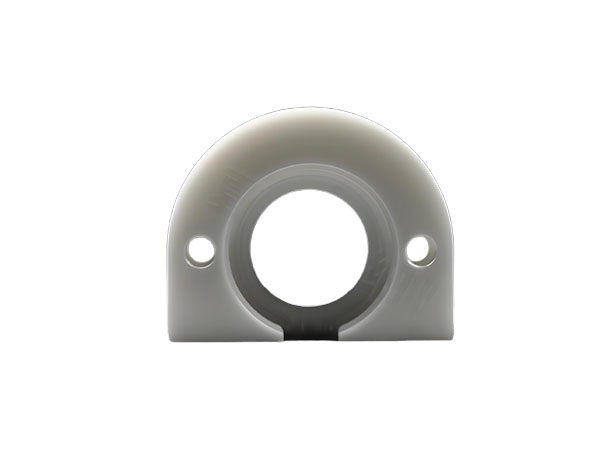
Product Introduction of Zirconia Ceramic Support Components:
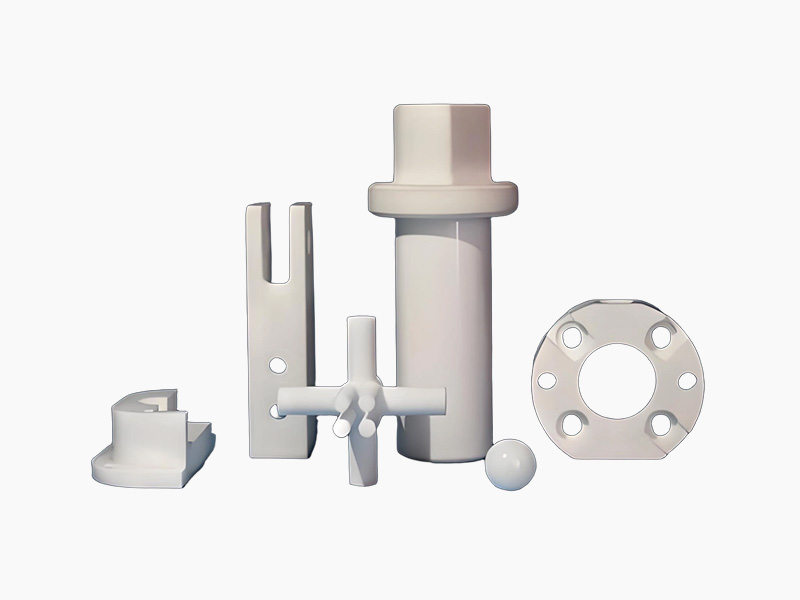
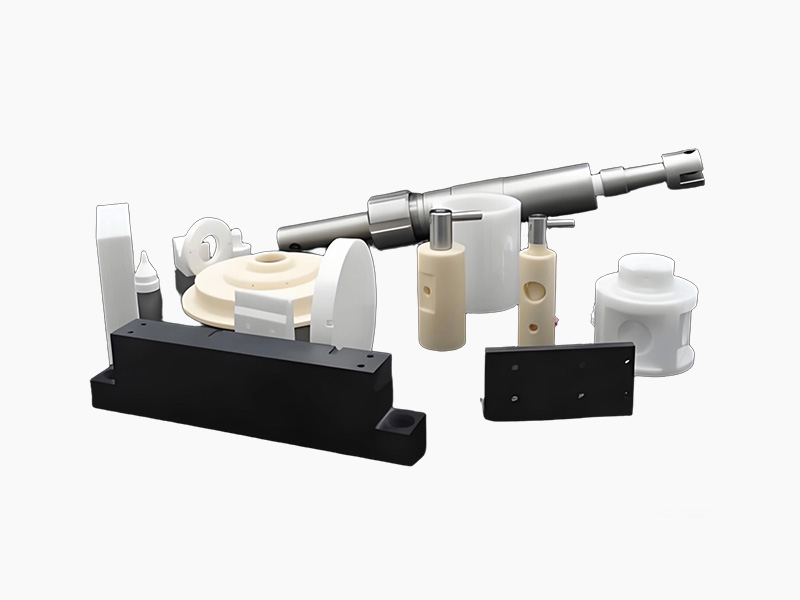
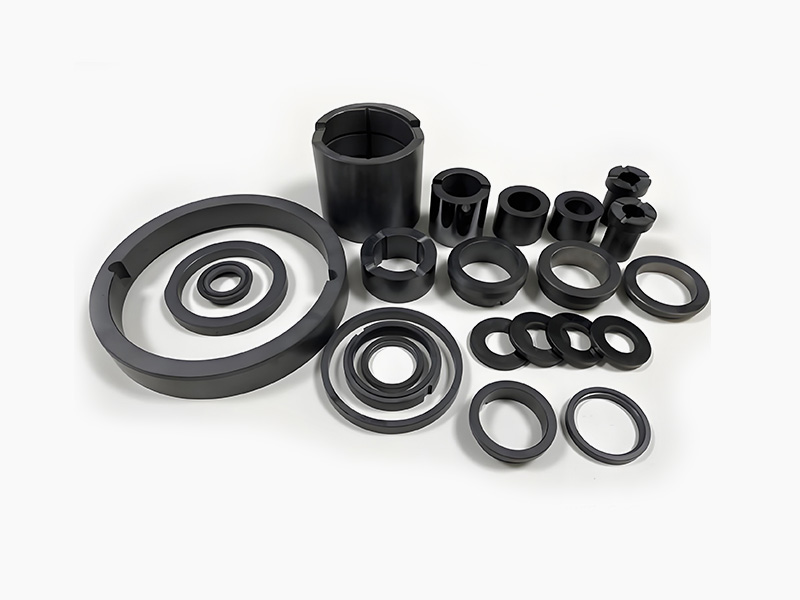
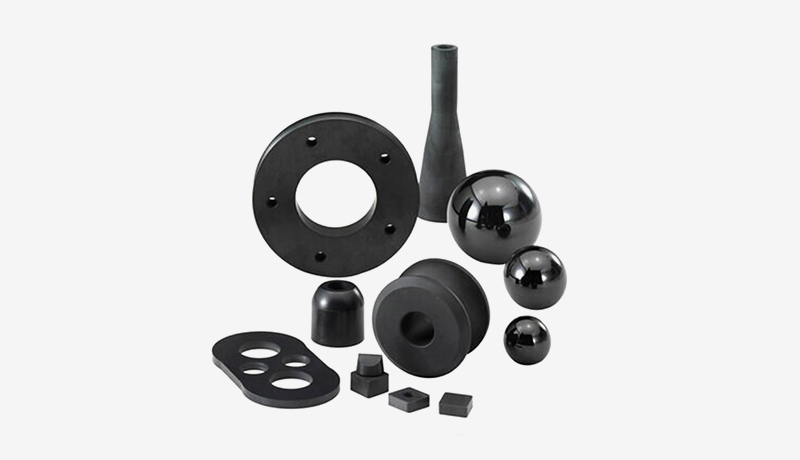
Zirconia ceramic support components are high-performance ceramic structural parts made primarily from zirconia (ZrO₂), possessing excellent physical and chemical properties. These products are typically manufactured using precision machining processes and can be customized according to customer requirements. They are widely used in various fields, including industrial manufacturing, healthcare, and automotive electronics.
Performance Characteristics
1. Ultra-high hardness and wear resistance: Vickers hardness reaches 11.5 GPa, and its wear resistance is 3-5 times that of traditional metal materials, making it particularly suitable for high-friction environments.
2. Excellent toughness: The fracture toughness is more than twice that of ordinary ceramics, allowing it to withstand significant external impact without easily breaking.
3. Temperature resistance: With a melting point of up to 2700℃, it can maintain stable performance in high-temperature environments for extended periods.
4. Chemical stability: It is resistant to acid and alkali corrosion and possesses self-lubricating properties, reducing wear in dynamic applications.
5. Biocompatibility: Medical-grade zirconia ceramics have good compatibility with human tissue and will not cause allergic or rejection reactions.
Application Fields
1. Industrial Manufacturing
Precision Instruments: Used for precise control and positioning in scientific instruments and laboratory equipment.
Wear-Resistant Components: Bearings, sealing rings, nozzles, pump bodies, etc., exhibiting excellent performance in harsh environments such as chemical and metallurgical industries.
Cutting Tools: Ceramic cutting tools have a lifespan 3-5 times longer than traditional tools.
2. Medical and Healthcare
Dental Restoration: Dental crowns, bridges, implants, etc., combining high strength with natural aesthetics.
Artificial Joints: Hip joints, knee joints, etc., reducing the risk of metal-induced allergies.
Surgical Instruments: High-precision and corrosion-resistant surgical tools.
3. Automotive and Electronics
Automotive Components: Oxygen sensors, pump parts, contributing to energy saving and emission reduction.
Electronic Components: Piezoelectric ceramic sensors, solid oxide fuel cell electrolyte layers.
Semiconductor Manufacturing: Installation and protection of precision components.
Supports custom specifications.