Bulk Density: 5.5~6.05 g/cm³.
Flexural Strength: >800 MPa.
Compressive Strength: >3000 MPa.
Coefficient of Linear Thermal Expansion: (6.5~11.2)×10⁻⁶/K.
Fracture Toughness: 12 MPa·m^(1/2).
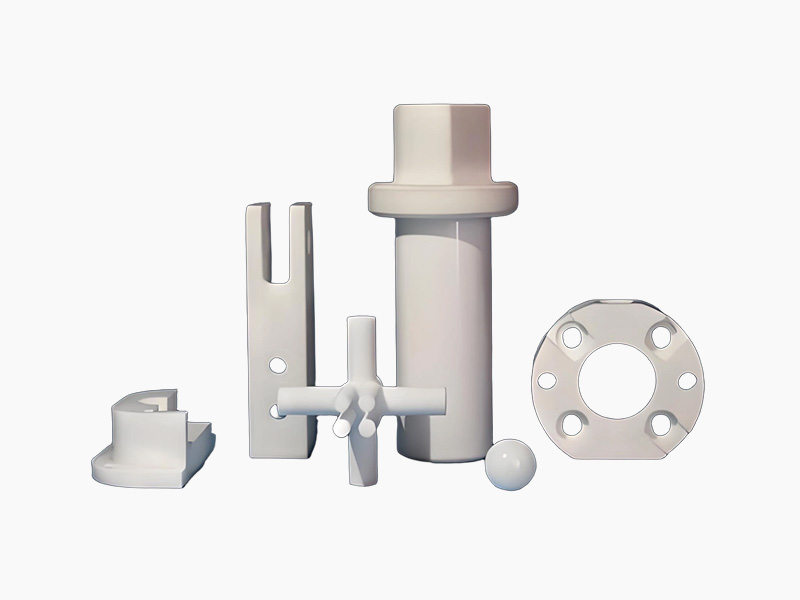
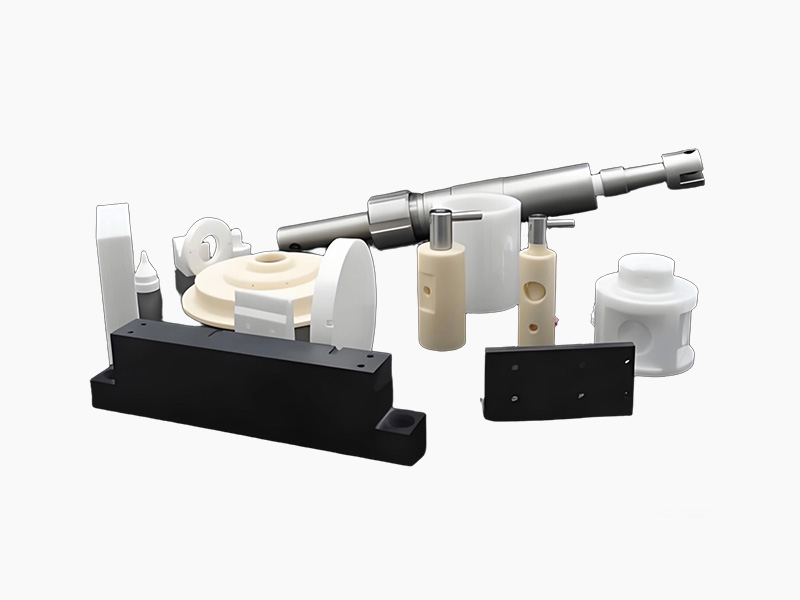
Introduction to Zirconia Ceramic Dispensing Valve Cores
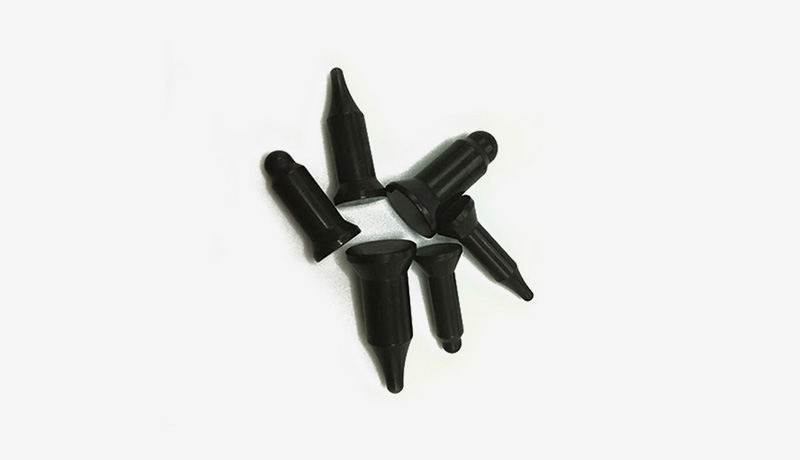
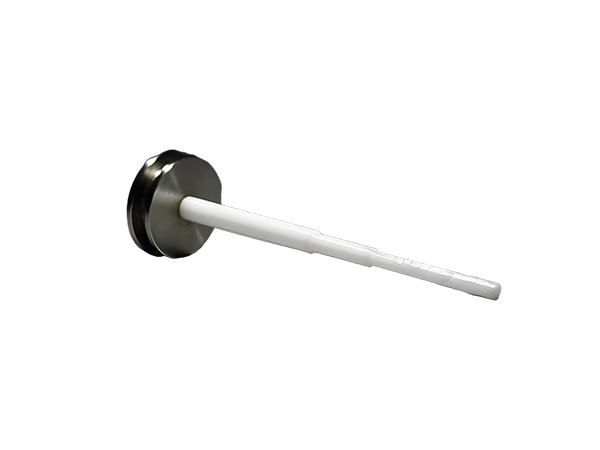
Zirconia ceramic dispensing valve cores are precision ceramic components made primarily from zirconium dioxide (ZrO₂), specifically designed for controlling the opening and closing of adhesive flow in dispensing machines. Their basic structure consists of a cylinder, valve body, and dispensing body connected together. The cylinder and valve body are separated by a diaphragm to prevent adhesive from entering the air chamber. The valve inside the dispensing body is fixed to the piston rod, and the opening and closing of the valve controls the flow of adhesive.
Performance Characteristics
1. Ultra-high hardness: Rockwell hardness reaches HRA88 or higher, second only to diamond, exhibiting excellent wear resistance.
2. Chemical stability: Shows strong resistance to corrosive media such as acids, bases, and salts. Except for molten glass and hydrofluoric acid, its chemical inertness prevents it from reacting in complex media environments.
3. High-temperature resistance: The operating temperature range covers -40℃ to 750℃, and its physical properties remain stable at high temperatures.
4. Excellent sealing performance: The low coefficient of thermal expansion prevents valve core jamming or poor sealing due to thermal expansion and contraction, achieving a "zero leakage" effect.
Application Scenarios of Zirconia Ceramic Dispensing Valve Cores
1. Electronics Manufacturing: Precision dispensing, chip packaging, etc.
2. Automotive Industry: Headlight sealing, engine component coating.
3. New Energy: Electrolyte dispensing in lithium-ion battery production.
4. Medical Equipment: Precise control of medical adhesives.
5. Chemical Industry: Transportation and control of corrosive media.
Supports custom specifications.