Insulativity
High toughness
Highly anticoagulant
High strength
Thermal shock resistance
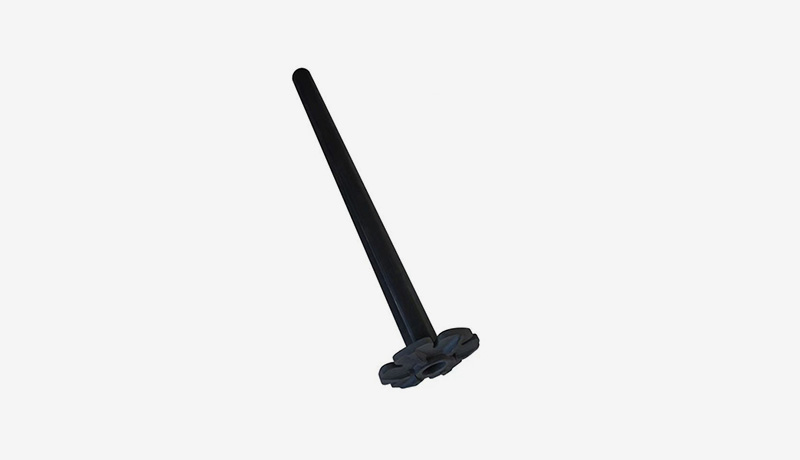
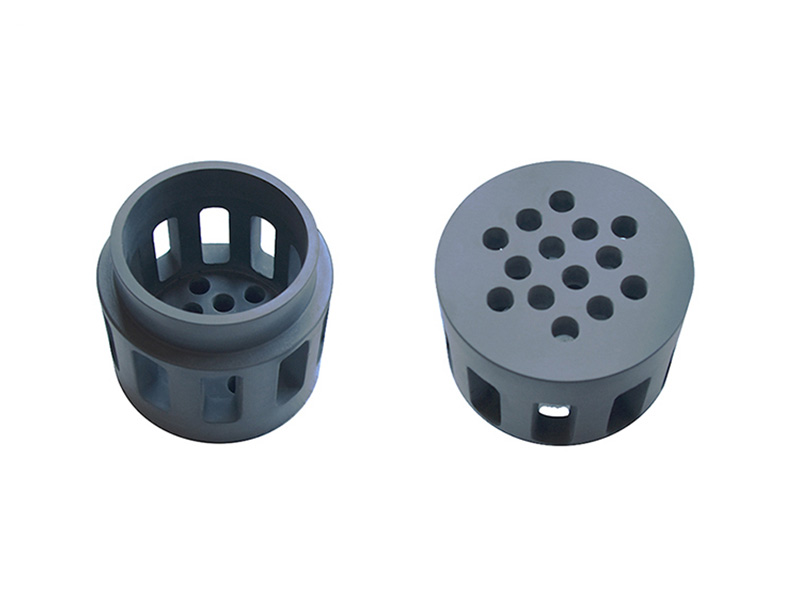
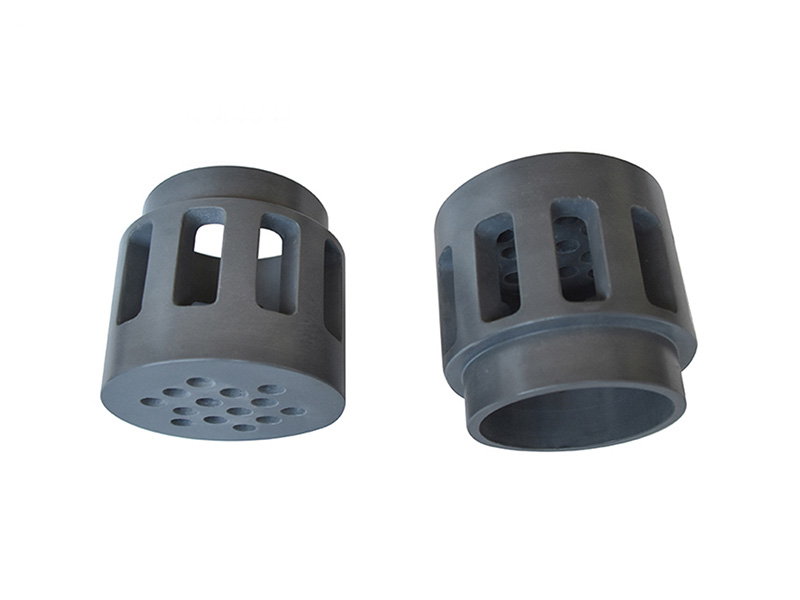
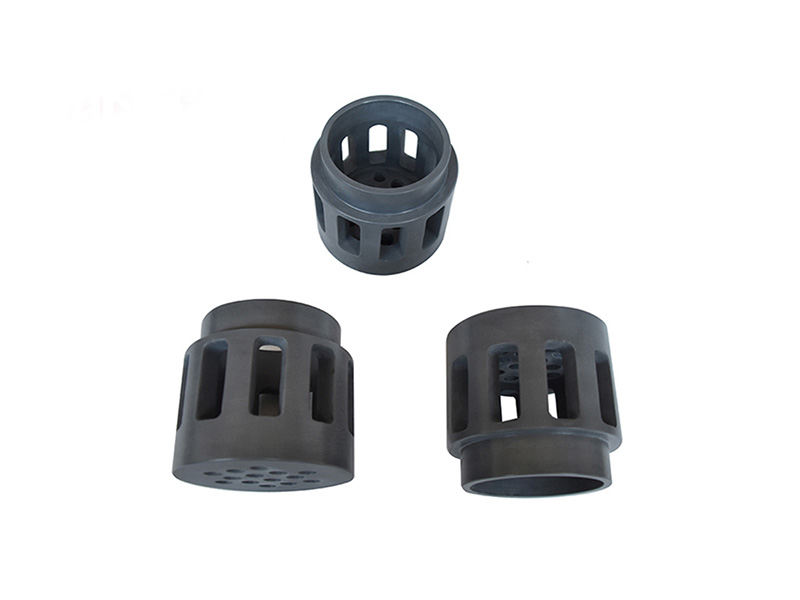
High-performance silicon nitride heat shields for electrode protection, thermal insulation and heat-loss reduction in polysilicon reduction furnaces and other high-temperature furnace systems.
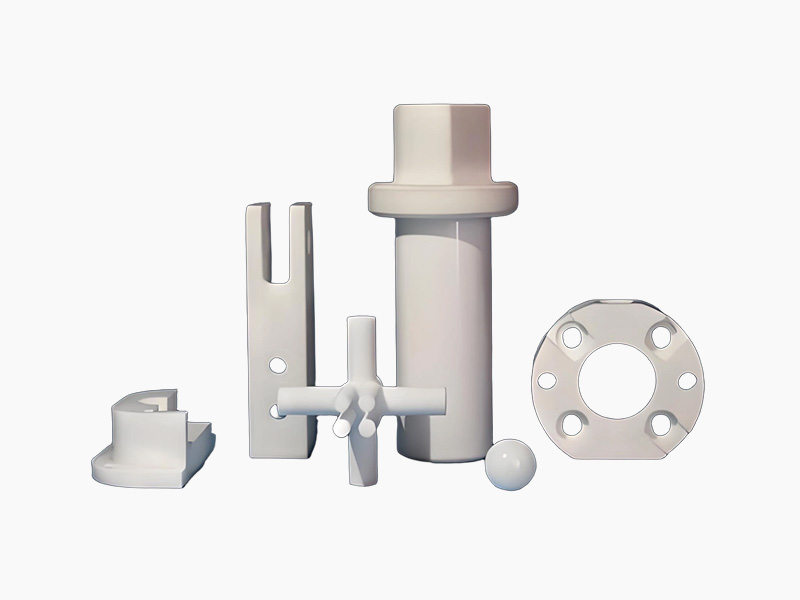
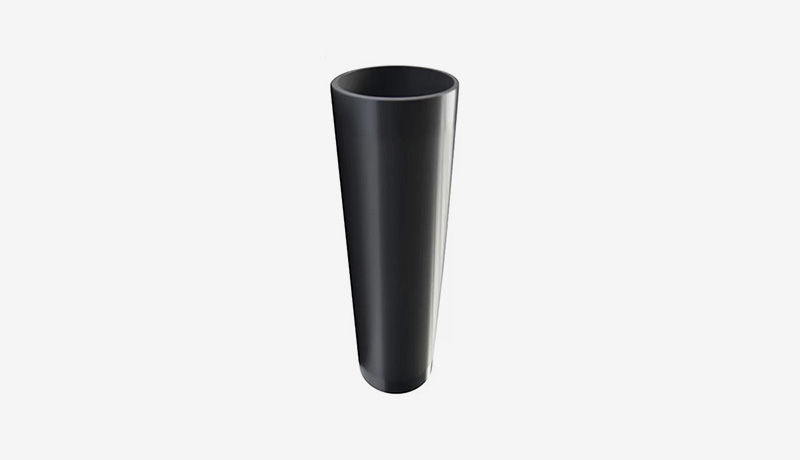
A Silicon Nitride Heat Shield is a high-temperature ceramic protective component manufactured from silicon nitride (Si₃N₄). It is designed to provide thermal insulation, electrical insulation and protection for critical furnace components exposed to high temperatures and thermal cycling.
In polysilicon production, silicon nitride heat shields are particularly important in reduction furnaces and related thermal-field systems. The heat shield can help protect electrodes and other sensitive components from direct thermal exposure while reducing heat loss from the furnace thermal field.
The supplied product information identifies the high-voltage electrode heat shield as a silicon nitride component with good insulation, high toughness, high strength, high temperature resistance and thermal shock resistance. These characteristics support long-term operation in demanding furnace environments.
Silicon Nitride Heat Shield is a Si₃N₄ ceramic furnace component used to protect electrodes and thermal-field components, provide electrical and thermal insulation, and reduce heat loss in high-temperature equipment. In the polysilicon industry, it is used particularly in reduction furnaces and related crystal-growth or high-temperature thermal systems.
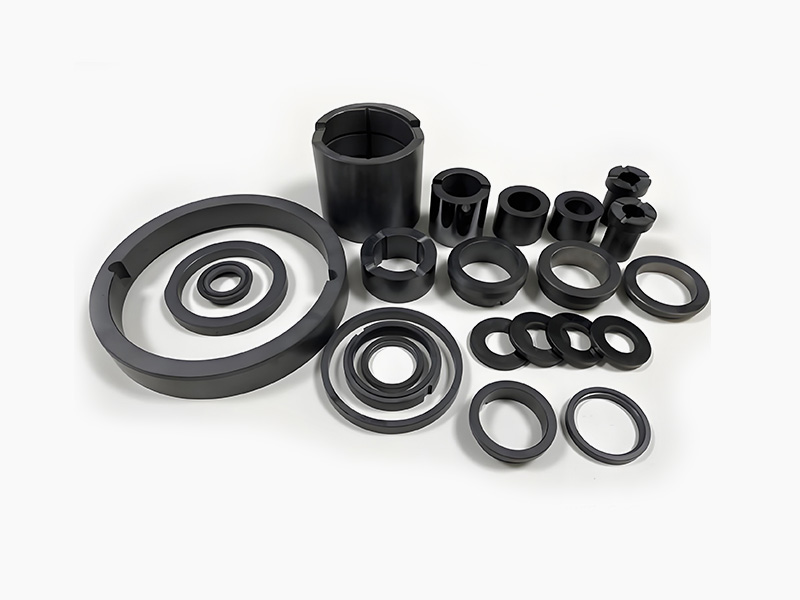
Silicon nitride is an advanced engineering ceramic that combines electrical insulation, mechanical strength, toughness and high-temperature stability. These characteristics make Si₃N₄ suitable for furnace components that must operate under high thermal loads while maintaining structural integrity and insulation performance.
Silicon nitride provides insulating characteristics that are important for electrode protection and high-voltage furnace components.
High compressive and mechanical strength helps the ceramic component maintain its structural function under demanding furnace conditions.
Good fracture resistance helps silicon nitride components withstand mechanical and thermal stresses better than many conventional ceramics.
Silicon nitride is suitable for furnace environments involving repeated heating and cooling cycles where thermal shock resistance is important.
The supplied material specification identifies a working temperature of up to 1400°C.
Controlled thermal conductivity allows the component to function as part of a furnace thermal-management and insulation system.
The following values are the technical parameters supplied for the silicon nitride high-voltage electrode heat shield.
| Parameter | Reference Value | Application Significance |
|---|---|---|
| Material | Silicon Nitride (Si₃N₄) | High-performance engineering ceramic for high-temperature furnace components. |
| Color | Gray | Typical supplied appearance. |
| Si₃N₄ Content | ≥92% | Indicates the stated silicon nitride content of the supplied material. |
| Density | ≥3.1 g/cm³ | Relevant to component strength, thermal behavior and structural integrity. |
| Compressive Strength | ≥1500 MPa | Supports resistance to mechanical loading in furnace operation. |
| Thermal Conductivity | 16-22 W/m·K | Relevant to heat transfer and furnace thermal-field management. |
| Hardness | ≥92 | Supports resistance to mechanical wear and surface damage. |
| Working Temperature | 1400°C | Specified working-temperature reference for the supplied product. |
The heat shield creates a protective ceramic barrier around high-voltage electrode areas and helps reduce direct thermal exposure.
The insulating characteristics of silicon nitride are important for high-voltage furnace components.
The component can form part of a thermal barrier designed to manage heat transfer around furnace electrodes and thermal-field structures.
Resistance to thermal shock supports operation under furnace temperature changes and repeated thermal cycling.
The stated compressive strength of ≥1500 MPa provides a strong mechanical foundation for demanding ceramic component applications.
High-temperature stability, strength and thermal-shock resistance can contribute to longer component service intervals.
For custom silicon nitride heat shields, the component should be specified according to furnace design, electrode geometry, thermal-field configuration, installation method and operating environment.
| Specification Category | Reference Requirement | Why It Matters |
|---|---|---|
| Material Grade | Si₃N₄, supplied material ≥92% Si₃N₄ | Determines thermal, mechanical and electrical behavior. |
| Component Geometry | Drawing-specific dimensions and geometry | Ensures correct positioning around the electrode or thermal-field assembly. |
| Wall Thickness | Application-specific | Influences thermal shielding, mechanical strength and heat transfer. |
| Surface Finish | Specified according to assembly requirements | Supports correct installation and dimensional fit. |
| Thermal Requirement | Working temperature reference up to 1400°C | Must match the actual furnace temperature and atmosphere. |
| Electrical Requirement | High-voltage insulation requirement | Important for electrode protection and furnace electrical safety. |
Silicon nitride heat shields help protect heating elements and electrode-related components from direct thermal exposure and can reduce heat loss.
In crystal-growth and other high-temperature furnace systems, silicon nitride components can form part of the thermal-field insulation structure.
Heat shielding in reduction furnaces can help control thermal losses and support the intended furnace thermal environment.
Based on the supplied product information and the characteristics of silicon nitride heat-shield components, eight application fields can be organized as follows:
High-voltage electrode heat shields are used to protect electrode-related components and reduce thermal losses in polysilicon reduction furnaces.
Silicon nitride heat-shield components can be used in high-temperature nitriding furnace environments where ceramic insulation and thermal stability are required.
Silicon nitride components can serve as part of thermal-field insulation structures in selected crystal-growth furnace systems.
Suitable for thermal systems requiring a combination of insulation, mechanical strength and thermal-shock resistance.
Potentially applicable to selected semiconductor thermal-processing equipment where high-temperature ceramic insulation is required.
The insulating characteristics of Si₃N₄ are useful for selected high-temperature electrical and electrode-related components.
Heat shields can be integrated into furnace thermal-field assemblies to help manage heat transfer and protect critical components.
Custom Si₃N₄ shields can be developed for industrial heating systems with application-specific temperature, insulation and dimensional requirements.
Protects high-voltage electrode areas and contributes to thermal-field management.
Provides a high-temperature ceramic component for insulation and thermal shielding.
Used as part of selected thermal-field insulation arrangements.
Suitable for custom thermal protection and insulation applications.
Manufacturing a silicon nitride heat shield requires controlled ceramic processing to achieve the required density, strength, thermal stability, insulation characteristics and dimensional accuracy. The exact production route depends on the material grade, geometry and furnace application.
Select silicon nitride powder and processing additives according to the required composition and target ceramic properties.
Homogenize the ceramic powder system to support consistent forming, densification and final material performance.
Form the ceramic blank using a suitable forming process selected according to the heat-shield geometry and dimensional requirements.
Where appropriate, machining is performed before final densification to establish complex geometry and dimensional features.
Apply a controlled silicon nitride sintering process to develop the required density, strength, hardness and thermal properties.
Diamond grinding and other precision ceramic machining processes can be used to achieve the required dimensions and installation surfaces.
Inspect dimensions, appearance and relevant material properties against the agreed technical specification.
Clean and carefully package the finished ceramic component to protect the surface and geometry during storage and transportation.
The supplied product information identifies a significant service-life and economic advantage compared with similar alumina products. These figures should be understood as product/application performance claims rather than universal results for every furnace condition.
| Characteristic | Silicon Nitride Heat Shield | Alumina Reference |
|---|---|---|
| Material | Silicon Nitride (Si₃N₄) | Alumina |
| Thermal Shock Resistance | High | Application-dependent |
| Mechanical Strength | High; supplied compressive strength ≥1500 MPa | Depends on alumina grade |
| Insulation | Good electrical insulation | Good electrical insulation |
| Service Life Claim | Supplied information states more than 10× service life of similar alumina products | Reference comparison |
| Economic Benefit Claim | Supplied information states comprehensive benefits can increase by 3× | Reference comparison |
HUACIJULI focuses on silicon nitride ceramic components for high-temperature, mechanical and electrical applications.
Material and component design can be matched to demanding furnace temperatures and thermal-cycle requirements.
Heat shields can be developed according to customer drawings, dimensions, electrode geometry and installation requirements.
Precision machining supports complex shapes, controlled dimensions and application-specific fitting surfaces.
Material and processing requirements can be evaluated according to temperature, mechanical loading, insulation and thermal-field conditions.
OEM development can be based on technical drawings, existing samples or application-specific component requirements.
For an application-specific heat shield quotation, customers can provide:
A Silicon Nitride Heat Shield is a Si₃N₄ ceramic component used for thermal shielding, electrical insulation and protection of electrodes or other critical components in high-temperature furnace systems.
The supplied information identifies polysilicon reduction furnaces and nitriding furnaces as key applications. Silicon nitride heat-shield components can also be used in selected crystal-growth furnaces, thermal-field assemblies and other high-temperature industrial equipment.
Silicon nitride combines electrical insulation, high strength, toughness, thermal shock resistance and high-temperature stability. These characteristics make it suitable for protective ceramic components operating around high-temperature furnace and electrode systems.
The supplied technical parameters specify a working temperature of 1400°C. Actual allowable temperature should be evaluated according to furnace atmosphere, thermal cycling, component geometry and mechanical loading.
The supplied parameters include ≥92% Si₃N₄, density ≥3.1 g/cm³, compressive strength ≥1500 MPa, thermal conductivity of 16-22 W/m·K, hardness ≥92 and a working temperature of 1400°C. The supplied color is gray.
Yes. The product described in the supplied information is specifically a high-voltage electrode heat shield for polysilicon reduction and nitriding furnace applications. Its electrical insulation and high-temperature properties support this function.
The heat shield can act as part of the furnace thermal-field insulation structure, reducing direct heat transfer from protected components and helping maintain the intended thermal environment.
The supplied product information states that the service life is more than 10 times longer than similar alumina products. This should be treated as a product-performance comparison under specified conditions rather than a universal guarantee. Actual service life depends on furnace temperature, atmosphere, thermal cycling, mechanical stress, geometry and operating conditions.
Yes. Custom silicon nitride heat shields can be developed according to drawings, dimensions, electrode geometry, installation requirements and furnace operating conditions.
Useful information includes furnace type, operating temperature, atmosphere, electrode dimensions, heat-shield dimensions, installation method, thermal cycling conditions and an existing drawing or sample.
The technical values and performance statements on this page are based on the supplied product information. Actual heat-shield performance and service life depend on furnace design, operating temperature, atmosphere, thermal cycling, component geometry, installation conditions and other process parameters. The stated service-life comparison and comprehensive-benefit improvement should be verified against the customer's actual operating conditions before being used as a guaranteed performance value.
Provide your furnace type, operating temperature, electrode dimensions and heat-shield drawing to discuss an application-specific Si₃N₄ heat-shield solution with XIAMEN HUACIJULI.
Support personalized customization.