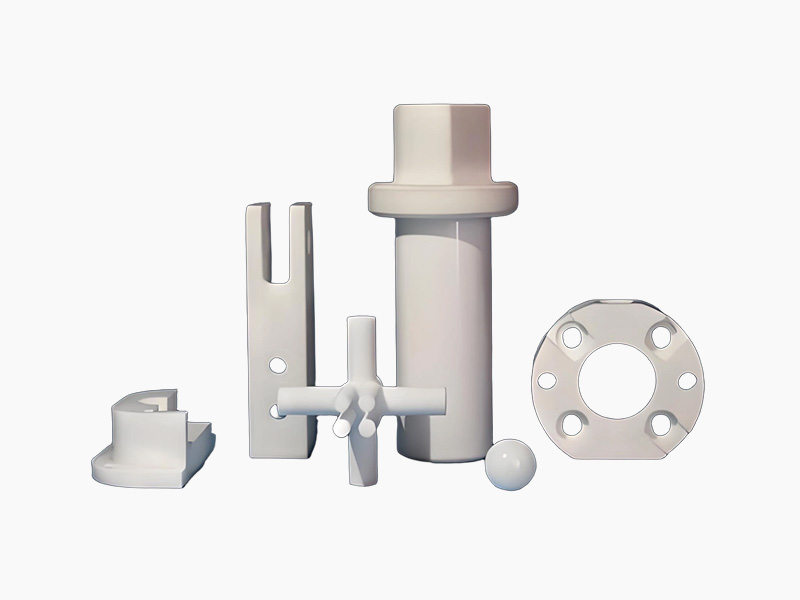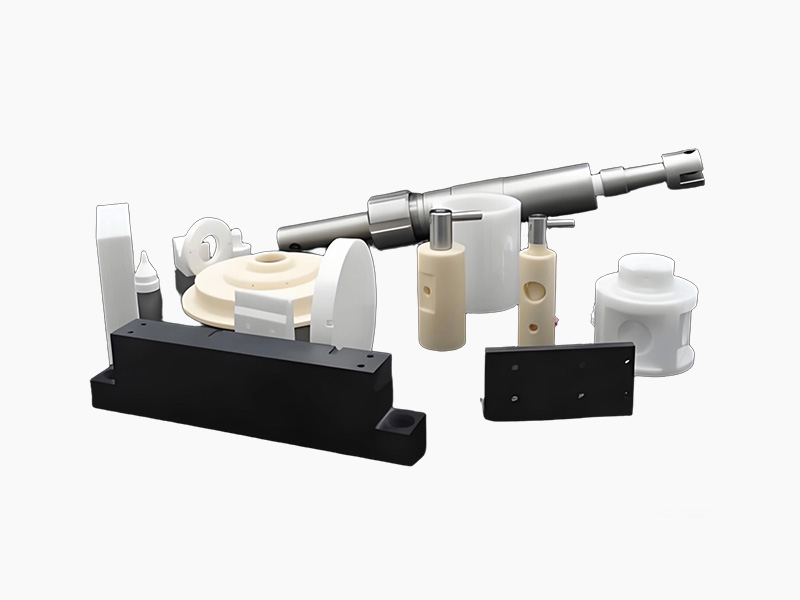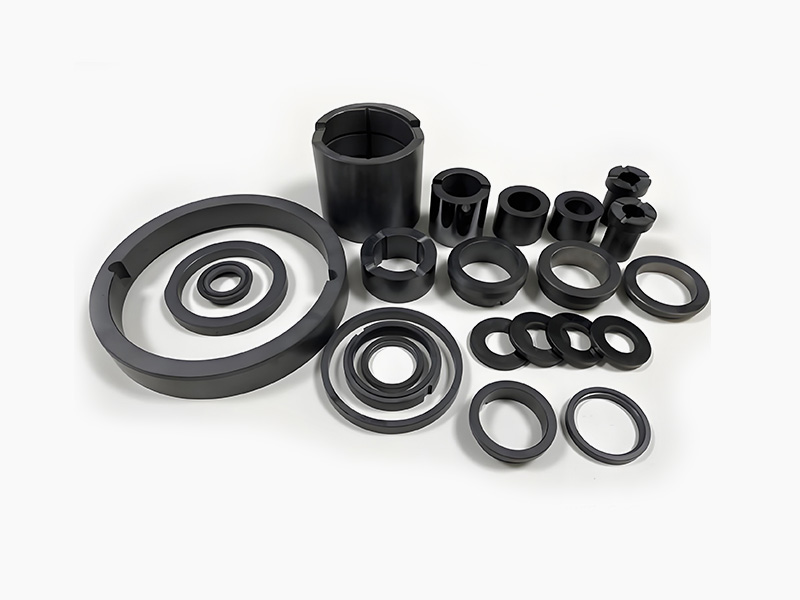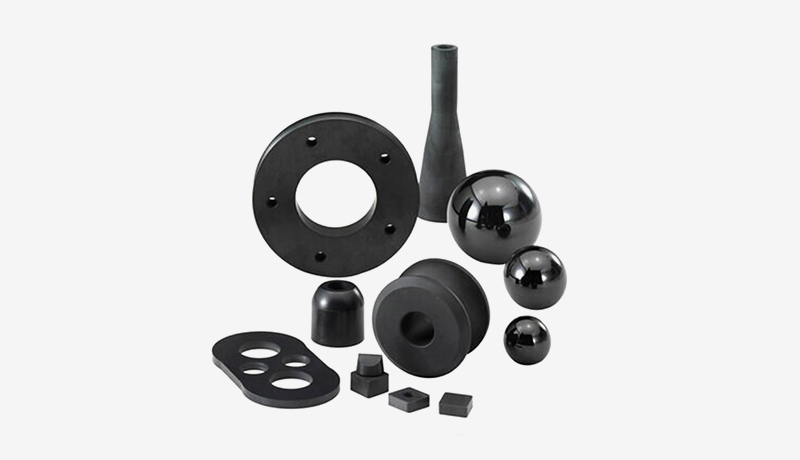
Density: 3.20 g/cm³ (approximately 1/3 of steel).
Bending Strength: >900 MPa (high load capacity).
Fracture Toughness: ≥6 MPa·m⁻¹/² (impact resistance).
Operating Temperature: ≤1000℃ in air, ≤1400℃ in protective atmosphere (high-temperature stability).
Hardness (HV10): 1480 (wear resistance).
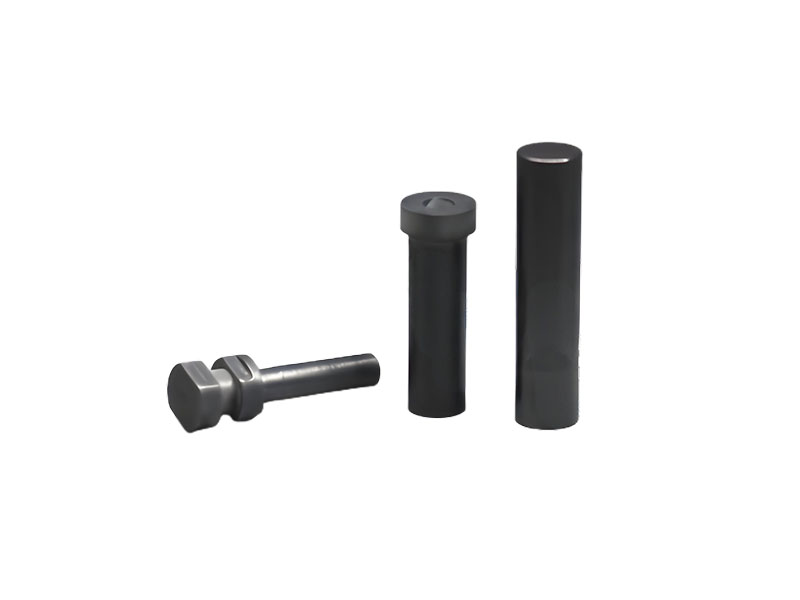
Product Introduction of Silicon Nitride Ceramic Shafts
Silicon nitride ceramic shafts (Si₃N₄) are high-performance ceramic materials with the following significant characteristics:
1. High Strength and High Hardness: Silicon nitride ceramics have a hardness exceeding many metal materials, maintaining their shape and function under high load and high-speed operating conditions, and are not easily deformed or worn.
2. Lightweight: With a density of only 3.20 g/cm³ (approximately 1/3 of bearing steel), it can significantly reduce the weight of drones and improve flight endurance.
3. Excellent Wear Resistance: It has a very low coefficient of friction (which can be less than 0.001), effectively reducing wear and extending service life.
4. High Temperature Resistance: It can maintain stable performance at high temperatures of 1200℃, with a melting point as high as 1900℃.
5. Corrosion Resistance: It has strong resistance to acid, alkali, and seawater corrosion, making it suitable for harsh working environments.
Application Value of Silicon Nitride Ceramic Shafts in the Drone Field:
1. Structural Component Connection: Used for connecting irregularly shaped parts in drones, achieving a perfect balance of lightweight design and high strength. In one type of drone, its use resulted in a 22% reduction in overall weight and a 35% increase in flight time.
2. High-Temperature Environment Applications: Suitable for connections in high-temperature areas such as engines, maintaining stable performance even under a temperature difference of 800°C.
3. High-Speed Rotating Components: As a bearing component, it allows drone bearings to reach rotational speeds of up to 100,000 rpm while reducing weight by 30%.
4. Impact-Resistant Design: Through nanocrystalline grain boundary design, the fracture toughness can reach 8.5 MPa·m¹/², suitable for the high-frequency take-off and landing requirements of drones.
Supports custom specifications.