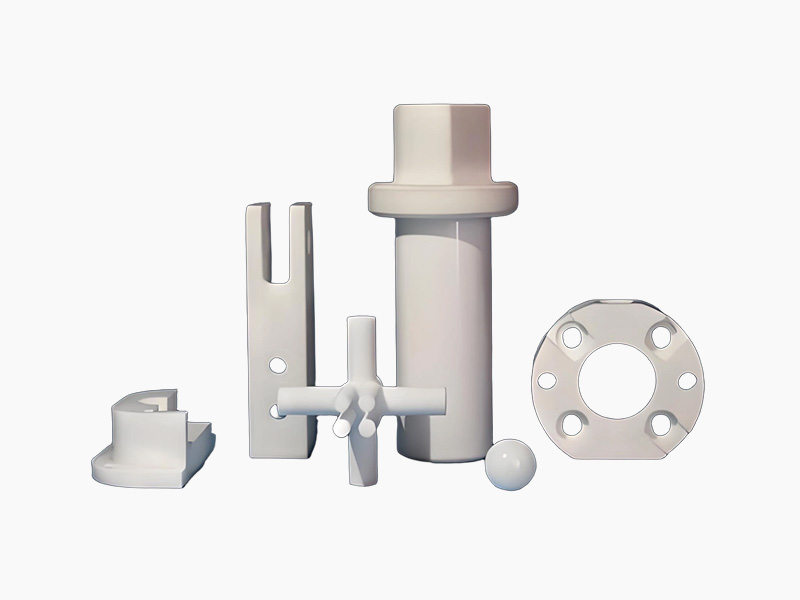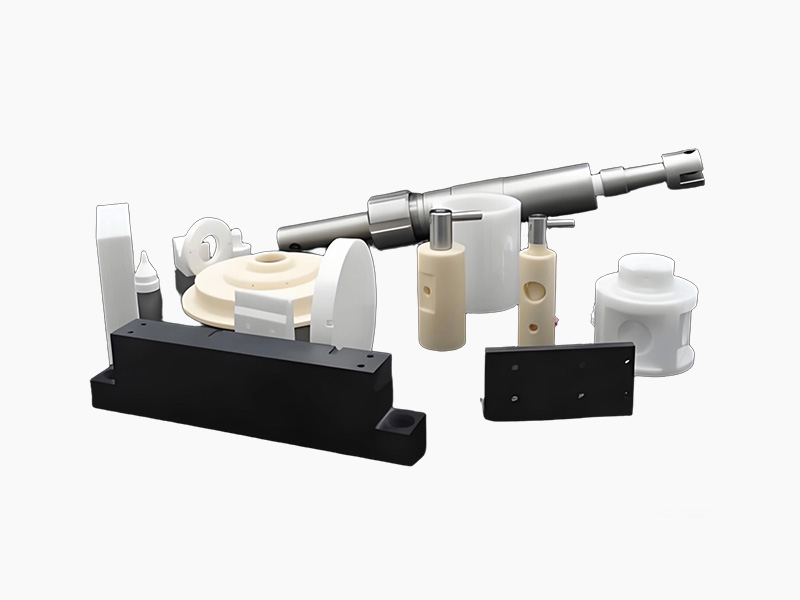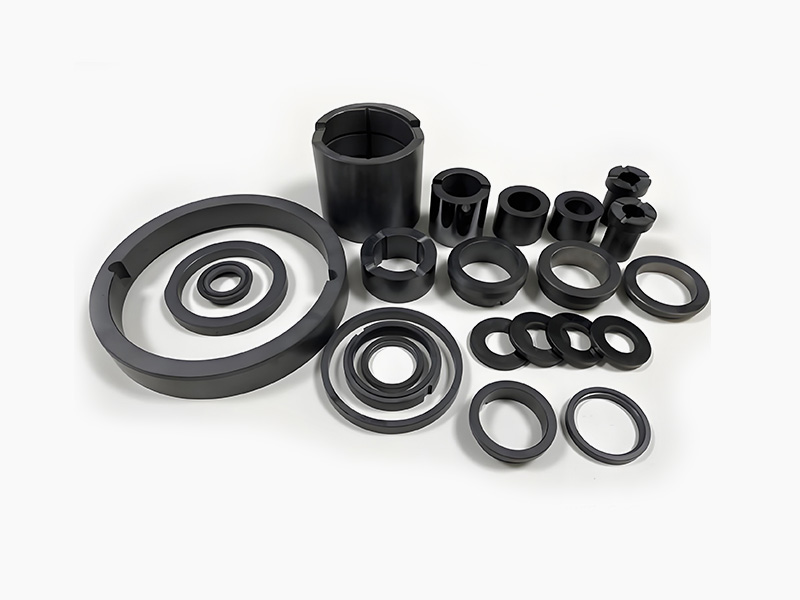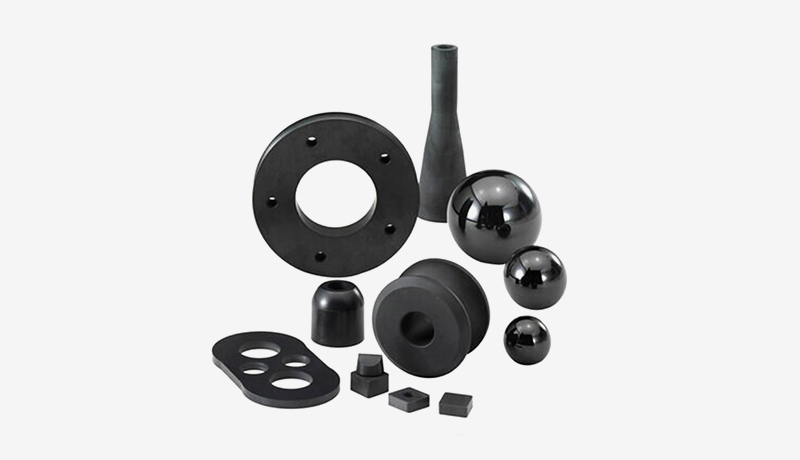
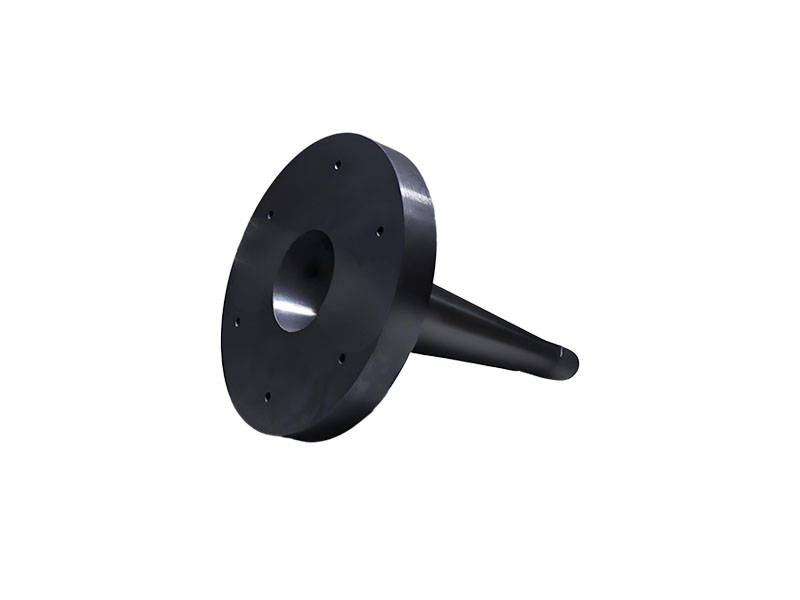
Product Introduction of Silicon Nitride Ceramic Protective Tubes
Silicon nitride (Si₃N₄) is a high-performance ceramic material bonded by strong covalent bonds. Its microstructure consists of interwoven elongated β-Si₃N₄ grains, which endow the material with extremely high intrinsic strength and toughness. In terms of physical properties, the most prominent characteristics of silicon nitride are its extremely low thermal expansion coefficient (approximately 3.2 × 10⁻⁶/℃) and high thermal conductivity (approximately 20-30 W/m·K). The combination of these two key parameters allows it to maintain excellent dimensional stability during temperature changes.
Main Characteristics and Technical Advantages
1. Mechanical Properties:
Vickers hardness can reach over 1600 HV (HRA 90+).
Bending strength is as high as 600-800 MPa.
It possesses high toughness and can withstand complex mechanical loads without easily fracturing or deforming.
2. High Temperature Resistance:
It can operate stably in air up to 1200℃.
Under a protective atmosphere, it can even reach 1400℃.
It has a low thermal expansion coefficient (3.0×10⁻⁶/℃) and excellent thermal shock resistance (can withstand rapid temperature changes from 1000℃ to cold water).
3. Corrosion Resistance:
It has strong resistance to acids, bases, and various corrosive media (such as molten salts and organic solvents).
There is almost no corrosion in sodium hydroxide solutions with a concentration below 30%.
It reacts very weakly with inorganic acids except hydrofluoric acid.
4. Self-Lubricating Properties:
The SiO₂ thin film formed by surface oxidation can significantly reduce the friction coefficient (0.02-0.1).
It reduces wear on the sealing interface, with a wear rate only 1/10 of traditional metal materials.
Application Areas
1. Aerospace: Components near engine combustion chambers, environments subject to extreme temperature changes.
2. Energy and Power: Superheaters in supercritical coal-fired power plants, helium heat exchanger tubes in high-temperature gas-cooled reactors in the nuclear energy field (750℃/7MPa).
3. Chemical Equipment: Valve sealing systems in strong acid environments, high-temperature media protection in petrochemical reactors.
4. Metal Processing: High-temperature molten metal equipment such as aluminum electrolytic cells and continuous casting of copper alloys; 95% reduction in aluminum liquid adhesion, 10 times longer lifespan.
Technical parameters and specifications
Parameter Category | Specific indicators | Remark |
Common specifications | φ205x20x15MM, 170x20x10MM, etc. | Customized according to requirements. |
Operating temperature | In air: ≤1000℃, in protective atmosphere: ≤1400℃ | No melting point; decomposes at approximately 1850℃. |
Thermal conductivity | 20-25 W/m·K | It is 7-10 times that of aluminum oxide. |
Coefficient of thermal expansion | 2.4-3.5×10⁻⁶/℃ | Highly compatible with silicon chips (4×10⁻⁶/℃) |
Volume resistivity | 1.1 × 10¹² Ω·m (at room temperature) | It can maintain a resistance of over 10¹² Ω·cm even at high temperatures (1200℃). |
Supports custom specifications.