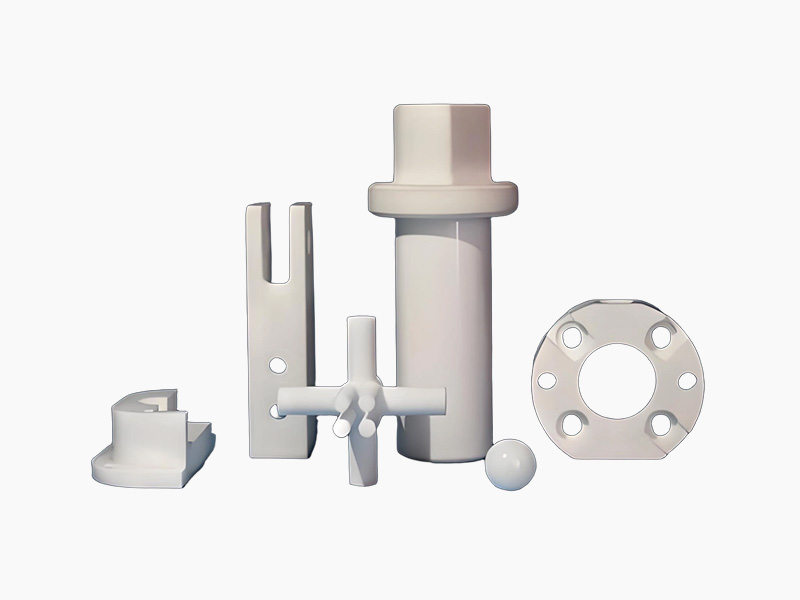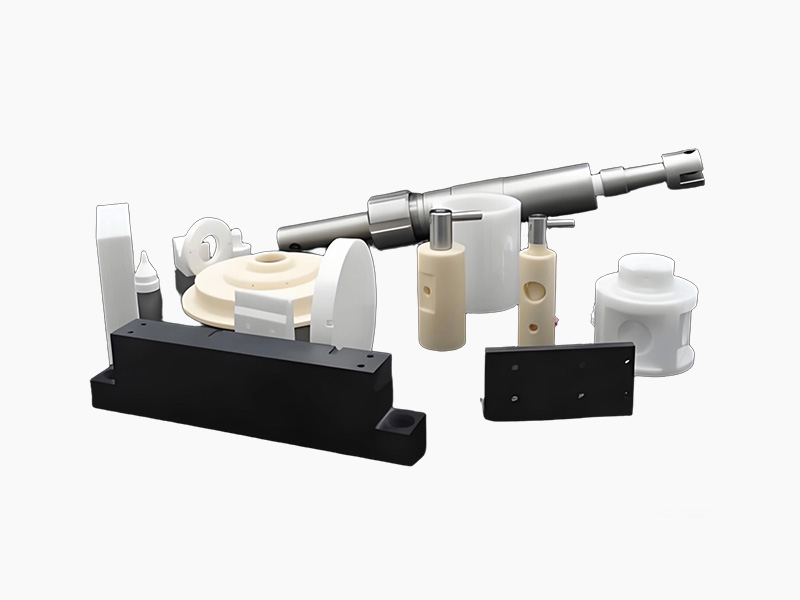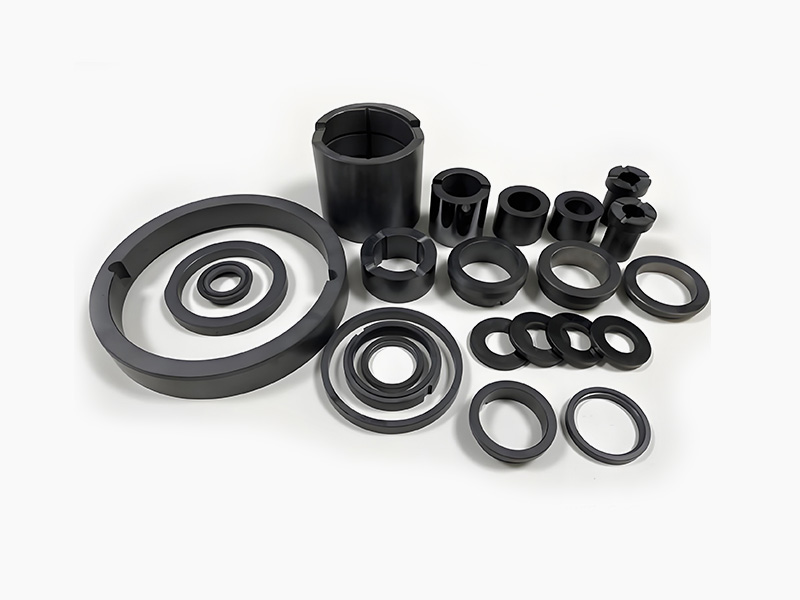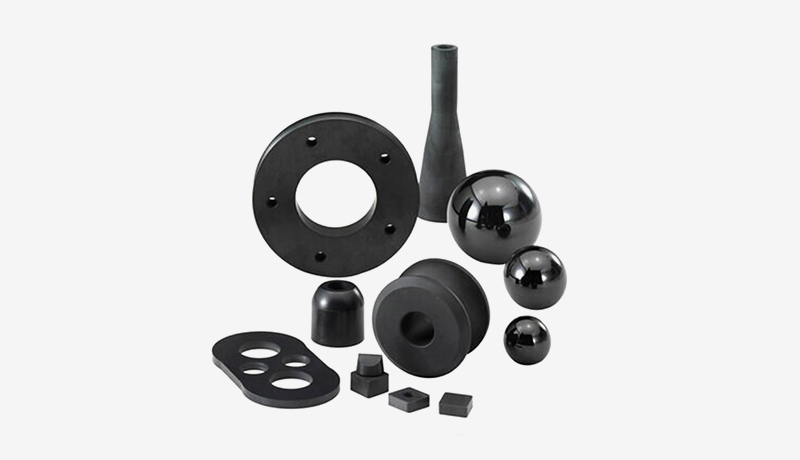
Adaptability to Special Environments: Covers over 90% of industrial high-stress application scenarios.
Long Lifespan: 5-10 times longer lifespan than metal materials in corrosive environments.
High Precision: Low thermal expansion coefficient reduces temperature-induced deformation errors, suitable for precision manufacturing.
Insulation and Anti-static: Resistivity >10¹⁴ Ω·cm, suitable for environments with flammable dust.
Product Introduction of Silicon Nitride Ceramic Corrosion-Resistant Impact Plates
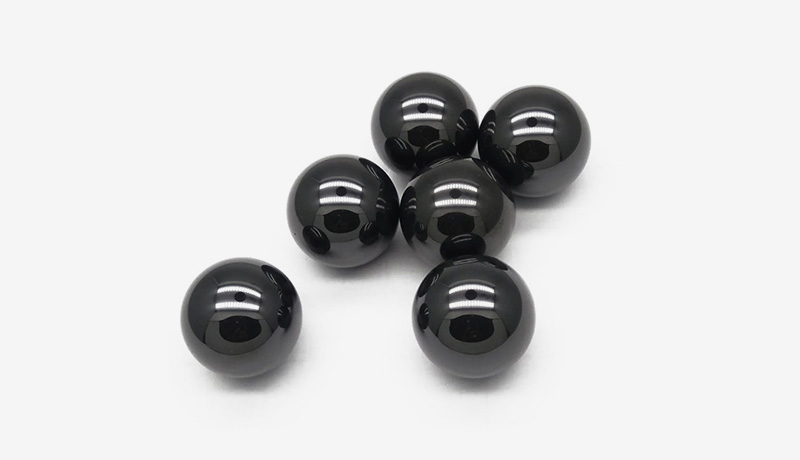
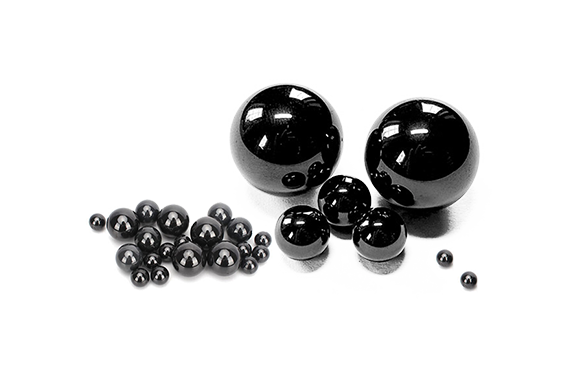
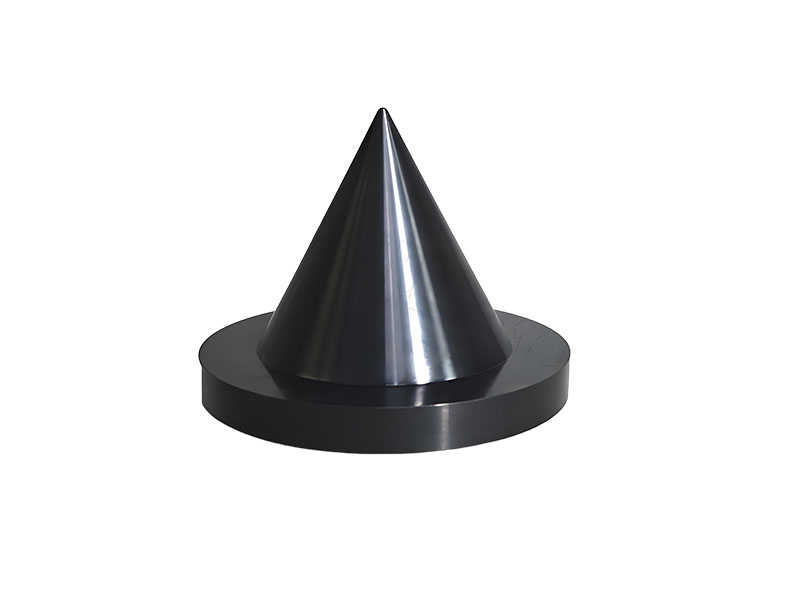
Silicon nitride ceramic corrosion-resistant impact plates are high-performance industrial ceramic materials made primarily of silicon nitride (Si₃N₄), possessing excellent corrosion resistance, high-temperature resistance, and mechanical strength. Through a special process, a dense SiO₂ protective layer is formed on the surface, effectively preventing the penetration of corrosive media. This product is suitable for industrial applications in extremely corrosive environments.
Core Characteristics
1. Physical Properties:
High hardness and mechanical strength: Vickers hardness > 1500 HV, flexural strength ≥ 800 MPa, fracture toughness 6-8 MPa·m¹/².
Thermal properties: Low thermal expansion coefficient (approximately 3.2 × 10⁻⁶/℃), high thermal conductivity (15-30 W/m·K), and can withstand rapid heating and cooling (ΔT > 800℃) without cracking.
Lightweight: Density of 3.2 g/cm³, 60% lighter than metal materials.
2. Chemical Properties:
Corrosion resistance: Extremely high resistance to acids, bases, salts, and molten metals; the annual corrosion rate in 98% concentrated sulfuric acid is only 0.002 mm.
High-temperature stability: Long-term resistance to high temperatures of 1200℃, with instantaneous temperature resistance up to 1400℃.
Self-passivation ability: A dense 2-5 nm SiO₂ protective film is formed on the surface, blocking the diffusion of corrosive ions.
Application Scenarios
1. Semiconductor and Photovoltaic Fields: Wafer handling fixtures, photovoltaic glass cutting blades, resistant to HF acid corrosion, with a lifespan 10 times longer than metal materials.
2. Precision Machinery: End effectors for surgical robots, lightweight, antibacterial, and resistant to blood corrosion.
3. High-Temperature Corrosive Environments: Gas turbine components, metallurgical continuous casting mold liners, with a resistance to molten steel erosion 5 times greater than traditional copper molds.
4. Seals: Bipolar plate sealing rings, capable of withstanding sudden temperature changes (ΔT=1000℃) without cracking.
Application areas
Performance indicators | Reference values | Testing standards |
Coefficient of thermal expansion | 2.8-3.2×10⁻⁶/℃ | / |
Thermal conductivity | 15-30 W/(m·K) | / |
Flexural strength | ≥800 MPa | Three-point bending test |
hardness | ≥1500 HV | Vickers hardness test |
Corrosion resistance rate | <0.02 mm/year | Molten salt environment testing |
Operating temperature | 50°C to 1400°C | / |
Porosity | <0.5% | Pressure sintering process |
Supports custom specifications.