Physical Properties: Density 5.89 g/cm³, melting point 2715℃, boiling point 4300-5000℃.
Mechanical Properties: Flexural strength 1100 MPa, fracture toughness 12 MPam^(1/2), Young's modulus 220 GPa.
Thermal Properties: Coefficient of linear thermal expansion (6.5~11.2)×10^(-6)/K, thermal conductivity 1.6~2.03 W/(m·k).
Electrical Properties: Non-conductive at room temperature, extremely high resistivity, exhibits some conductivity at high temperatures.
Introduction to Porous Zirconia Ceramic Products
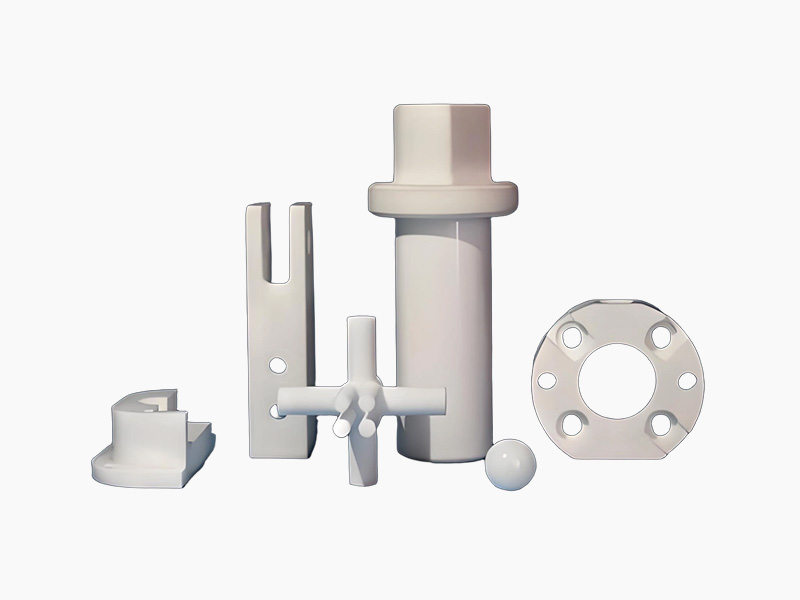
Porous zirconia ceramic is a high-performance ceramic material primarily composed of zirconium dioxide (ZrO₂). It is typically white at room temperature and contains trace amounts of hafnium dioxide (HfO₂) and the stabilizer yttrium oxide (Y₂O₃). Its characteristics include:
1. High melting point: Reaching 2715℃, it can withstand high-temperature environments up to 1500°C.
2. High strength: It possesses extremely high mechanical strength and toughness, with a bending strength of up to 1100 MPa.
3. Wear resistance: The surface is hard, with a Mohs hardness of 7.5 or higher, making it resistant to wear.
4. Chemical stability: It exhibits stability in acidic, alkaline, and organic solvent environments.
5. Permeability: The porous structure provides it with certain ventilation and thermal insulation properties.
Application Fields
1. Industrial Manufacturing:
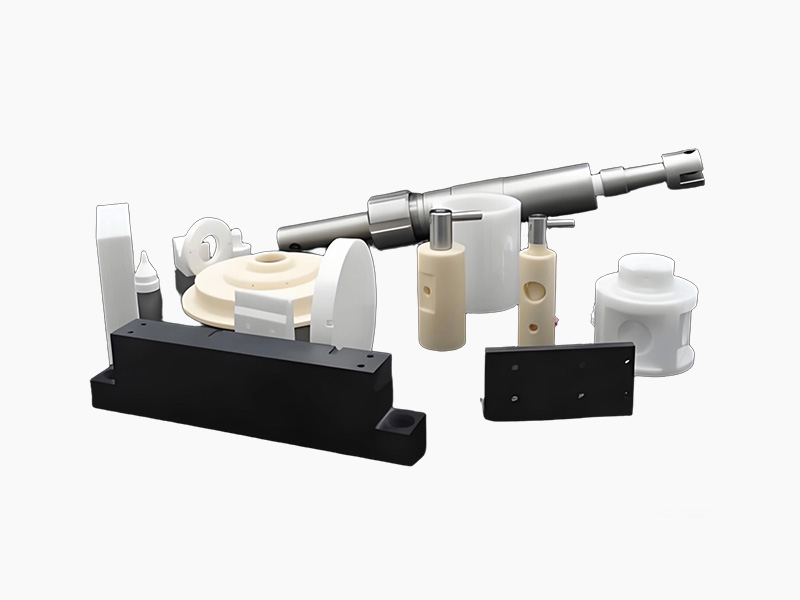
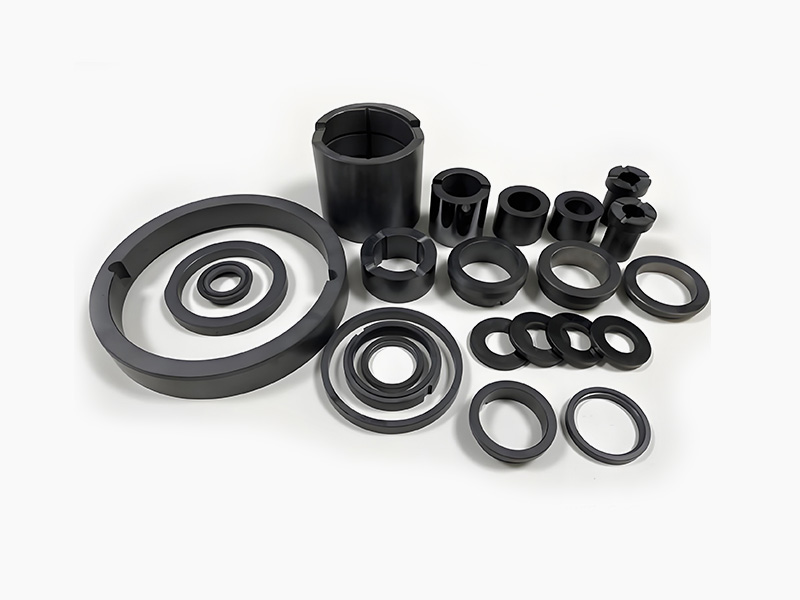
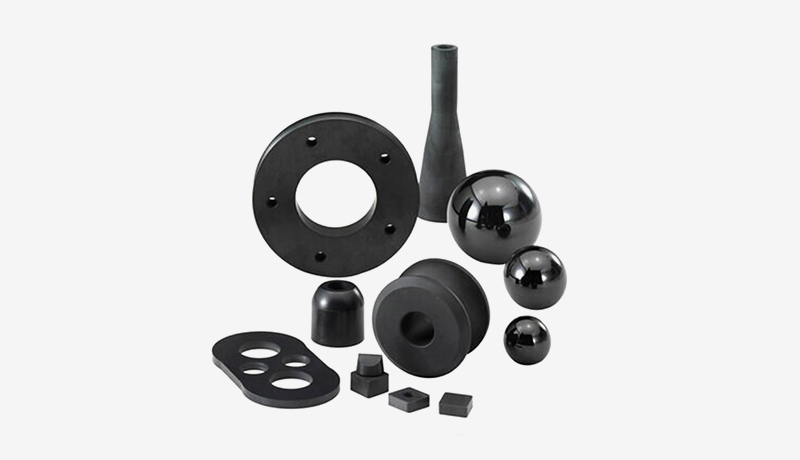
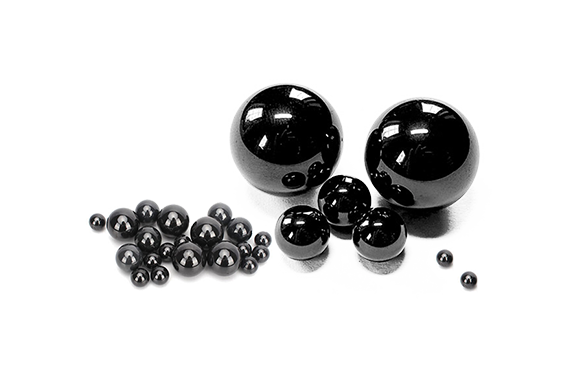
Key components such as bearings, sealing rings, nozzles, and cutting tools.
Zirconia ceramic bearings offer 3-5 times higher wear resistance compared to traditional metal bearings.
2. Medical and Healthcare:
The preferred material for dental restorations (crowns, bridges).
Artificial joint materials, reducing debris generated from joint wear.
3. Other Fields:
Solid oxide fuel cells.
Automotive exhaust treatment.
Ceramic cutting tools.
Zirconia ceramic fiber optic ferrules.
Supports custom specifications.