Vickers Hardness: 1250 HV.
Fracture Toughness: 8-10 MPa·m¹/².
Melting Point: 2715℃.
Density: 5.95-6.05 g/cm³.
Flexural Strength: 800-1400 MPa.
Compressive Strength: 2100 MPa.
Young's Modulus: 250 GPa.
Resistivity: 10⁸ Ω·m.
Introduction to Porous Zirconia Ceramic Structural Components:
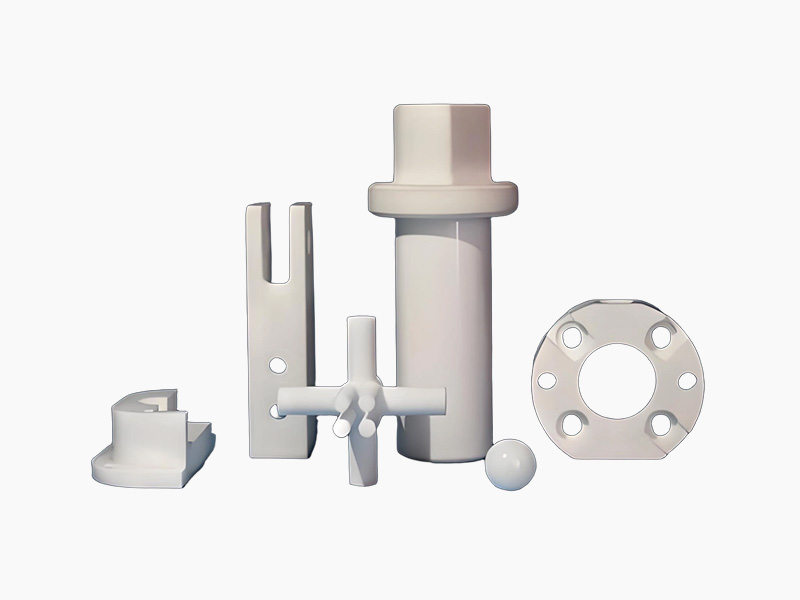
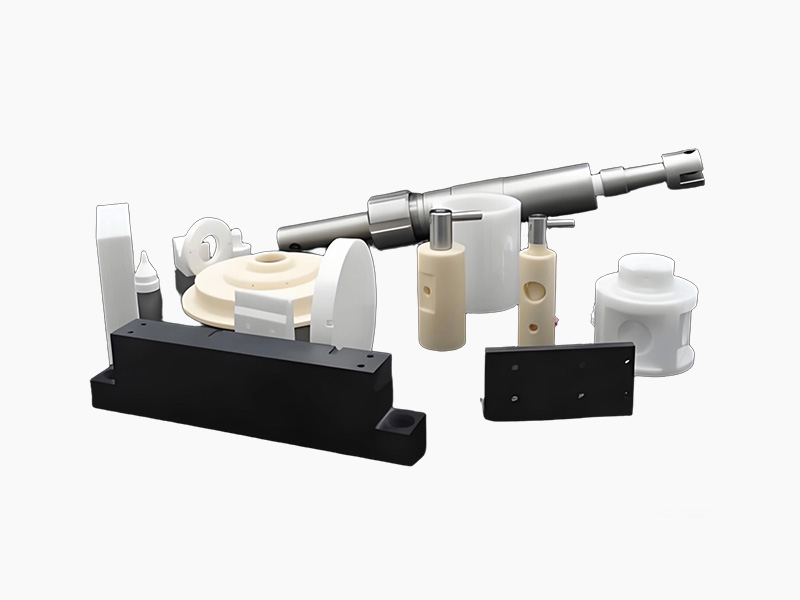
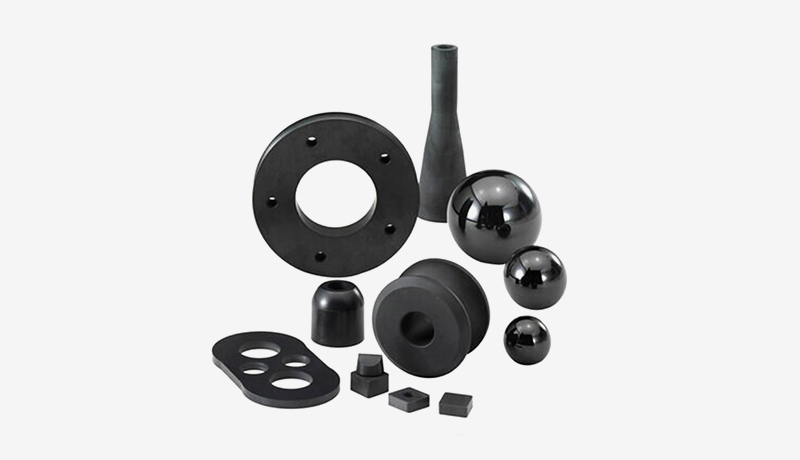
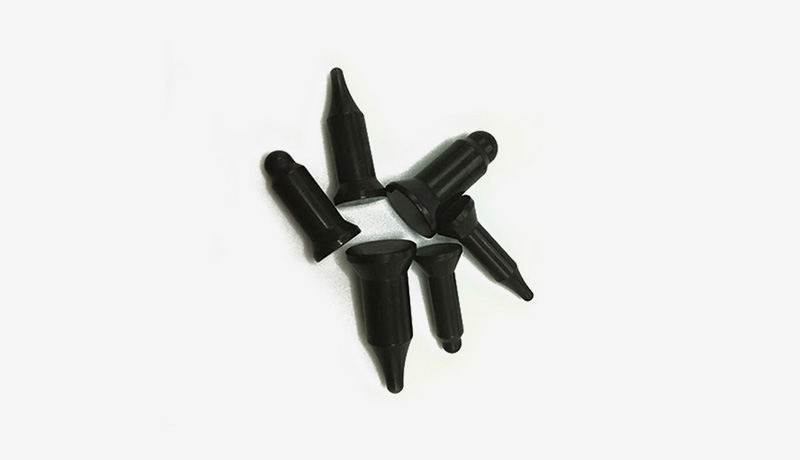
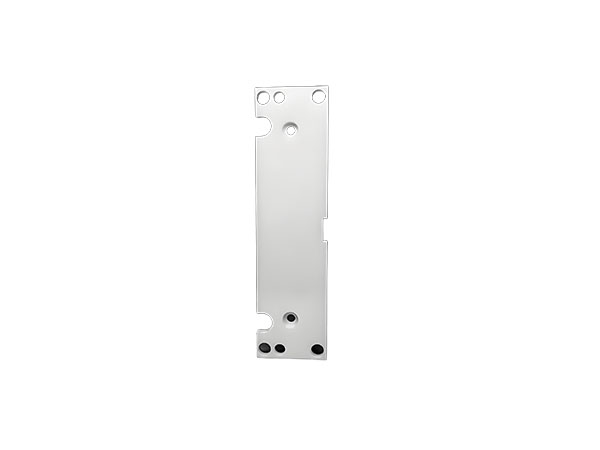
Porous zirconia ceramic structural components are functional parts made primarily from zirconium dioxide (ZrO₂) with specific shapes and structures. They are fabricated using advanced technologies such as 3D printing and possess a fine three-dimensional interconnected pore structure. Their main characteristics include:
1. High hardness and wear resistance: Vickers hardness reaches 1250 HV, and wear resistance is 15 times that of alumina ceramics.
2. Excellent toughness: Fracture toughness can reach 8-10 MPa·m¹/², more than twice that of alumina.
3. High-temperature resistance: Melting point is as high as 2715℃, and it can withstand high temperatures of 1000-1400℃ for extended periods.
4. Chemical stability: Exhibits stability in acidic, alkaline, and organic solvent environments.
5. Biocompatibility: Highly compatible with human bone, making it suitable for medical applications.
6. Porous characteristics: Possesses moderate air permeability and thermal insulation properties.
Application Fields
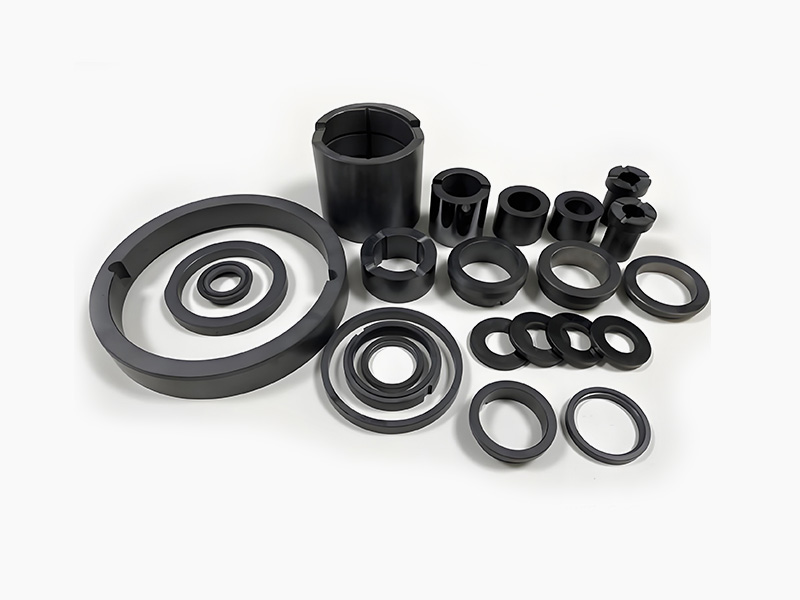
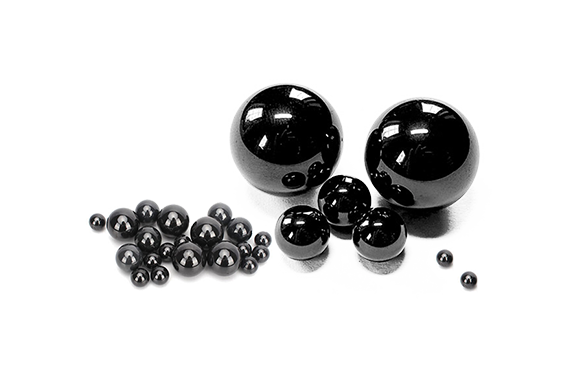
1. Industrial Manufacturing: Bearings, sealing rings, nozzles, cutting tools, etc., with wear resistance 3-5 times higher than traditional metal components.
2. Medical and Healthcare: Dental restorations (such as all-ceramic crowns), artificial joints, etc., exhibiting excellent biocompatibility.
3. Automotive Industry: Oxygen sensor core components, pump parts, helping to optimize fuel combustion ratio.
4. Electronics and Electrical Appliances: Piezoelectric ceramic components, solid oxide fuel cell electrolyte layers.
5. Aerospace: High-temperature structural components, thermal barrier coatings, capable of withstanding the high temperatures of spacecraft engines.
6. Filtration and Catalysis: Utilizing porous structures for fluid filtration and catalytic reactions.
Supports custom specifications.