Tensile Strength: Up to 1200 MPa or higher.
Operating Temperature Range: -50℃ to 800℃ (depending on the specific model).
Sealing Class: Up to ANSI Class VI (bubble-tight seal).
Switching Life: More than 500,000 cycles (household grade).
Surface Roughness: Ra ≤ 0.1 μm (ensuring sealing performance).
Comprehensive Analysis of Zirconia Ceramic Valve Cores:
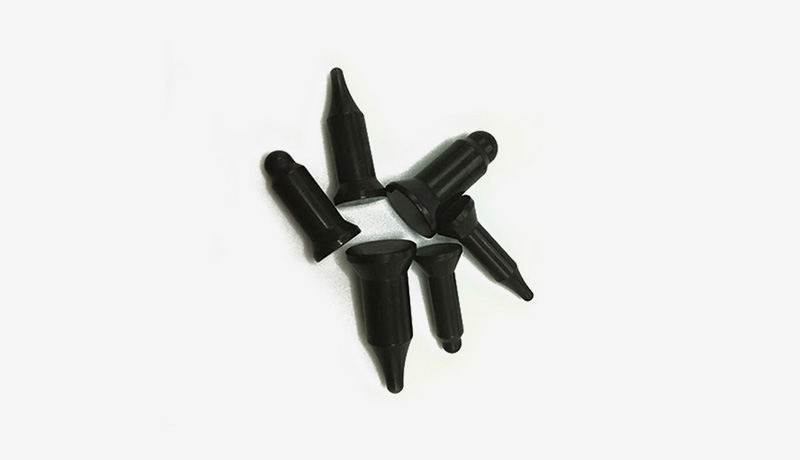
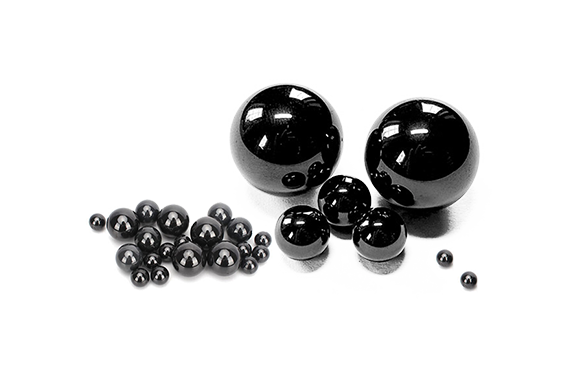
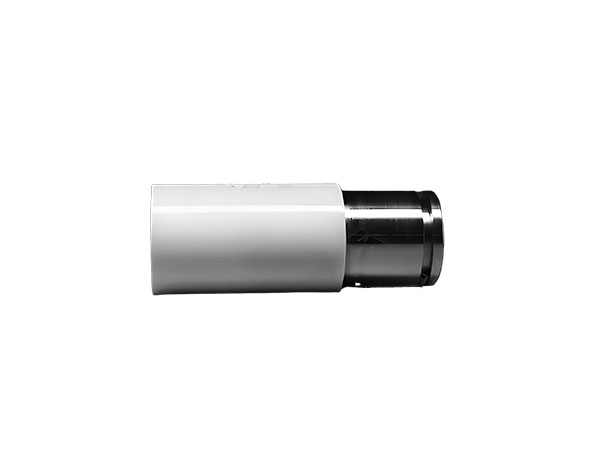
1. Zirconia ceramic valve cores are valve core components manufactured using zirconia (ZrO₂) ceramic material. Thanks to their excellent physical and chemical properties, they have become a key component in modern industrial valves.
2. In industrial applications, zirconia ceramic valve cores are mainly used in industrial scenarios with stringent requirements for sealing, corrosion resistance, and wear resistance.
3. Energy and power sector: Boiler steam pipelines, flue gas desulfurization (FGD) systems, ash and slag removal devices in thermal power plants, etc.
4. Chemical and metallurgical sector: Acid, alkali, and salt media transfer valves in petroleum refining and chemical reactors, and slurry control valves for media containing particles/fibers.
5. Other special environments: High-temperature and high-pressure fluid control, corrosive media transportation, and other demanding working conditions.
Application Fields
Zirconia ceramic valve cores have been widely used in various industrial fields:
1. Chemical industry: Used in control valves for strong acid and alkali media, such as sulfuric acid and hydrochloric acid transportation systems.
2. Petroleum refining: High-temperature and high-pressure valves in crude oil processing.
3. Power industry: Boiler systems and desulfurization units in thermal power plants.
4. Metallurgical industry: Molten metal transportation systems.
5. Water treatment: High-corrosion wastewater treatment facilities.
Performance Characteristics
Zirconia ceramic valve cores offer significant advantages compared to traditional metal valve cores:
characteristic | Specific manifestations | illustrate |
High wear resistance | Hardness exceeds HRA85 (10 times harder than stainless steel). | It can withstand frequent switching and prolonged fluid erosion, resulting in a long service life. |
Chemical stability | Resistant to acid, alkali, and salt corrosion. | Significantly reduce the risk of leaks caused by corrosion. |
High temperature resistance | Maintains stable performance at high temperatures. | It does not easily deform or soften, making it suitable for high-temperature environments. |
Sealing performance | Low thermal expansion coefficient | Avoid jamming or poor sealing caused by thermal expansion and contraction. |
Low thermal conductivity | Low thermal conductivity | Reduce heat transfer losses and improve energy efficiency. |
Supports custom specifications.