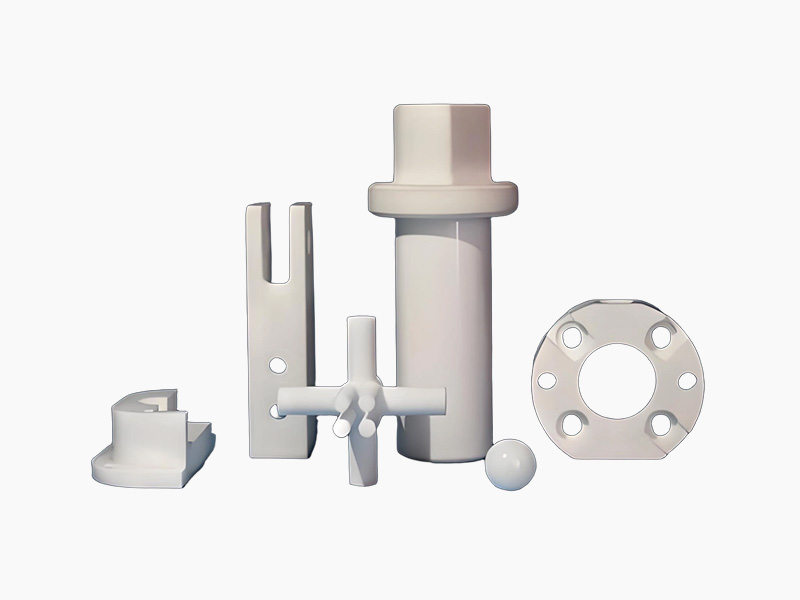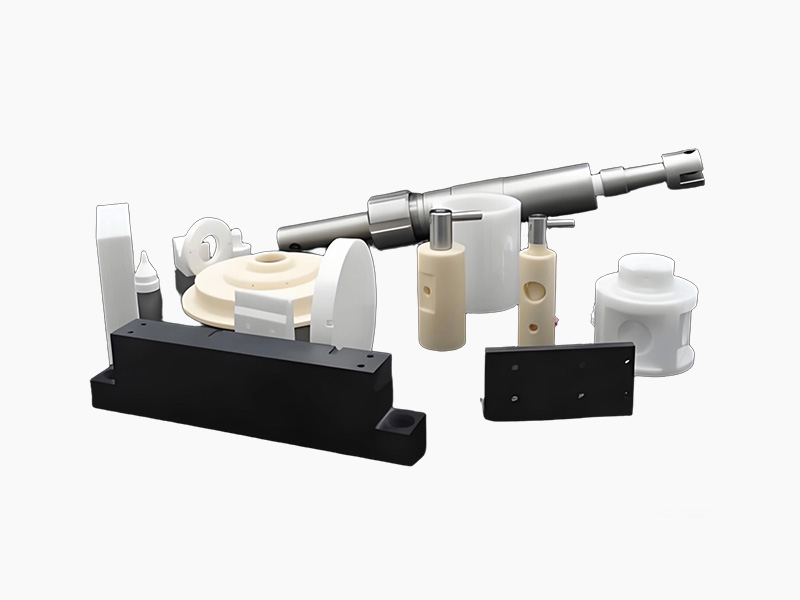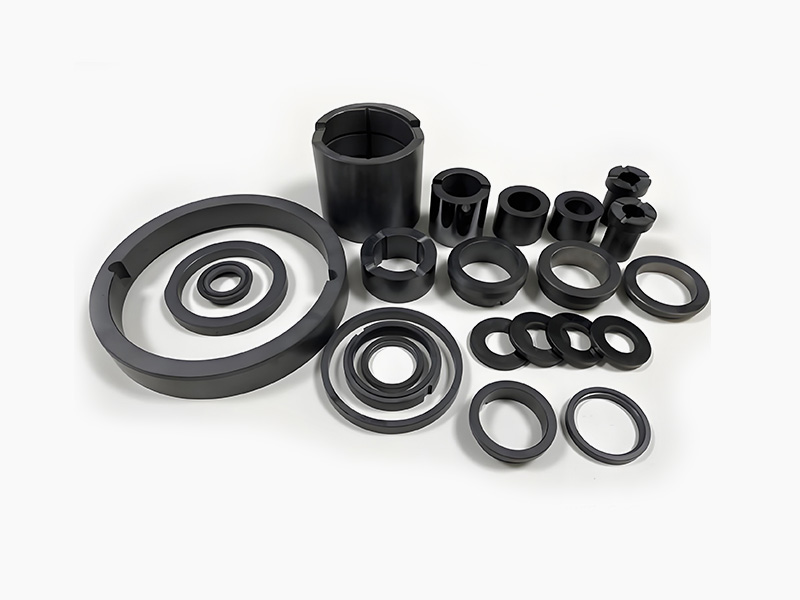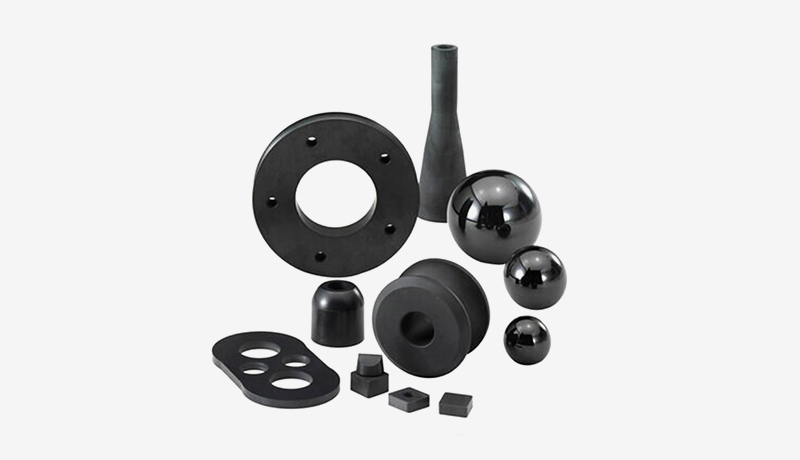
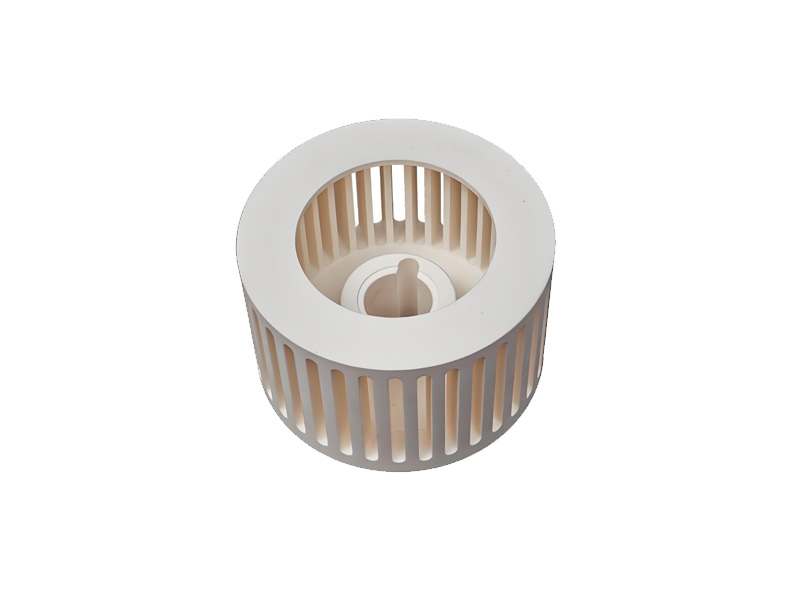
The alumina classifying wheel, as a core component of the air jet mill powder crushing system, directly impacts the processing efficiency and quality of ultrafine powders. The following is a comprehensive analysis of its technical characteristics and applications:
Ⅰ. Material and Structural Characteristics
1. High-Hardness Wear-Resistant Material: Made of 99% alumina ceramic or zirconia-toughened alumina (ZTA), with a hardness exceeding HRA90. It maintains excellent wear resistance even under high-speed operation (300-500 m/s), significantly extending its service life.
Compared to traditional metal wheels, the ceramic material reduces the risk of over-grinding and avoids metal contamination, making it particularly suitable for high-purity applications such as lithium-ion battery cathode materials.
2. Precision Machining Process: The surface of the classifying wheel is finely polished, creating a smooth, non-stick structure that reduces powder adhesion and ensures stable classification accuracy. Some models support variable frequency speed control, allowing for flexible adjustment of the particle size distribution range (D50: 1-25 μm).
Ⅱ.Technological Advantages
1. High-efficiency crushing: When combined with a fluidized bed jet mill, the material is fluidized and crushed through the collision of multiple supersonic air streams, increasing energy utilization efficiency by more than 30%.
2. Precise particle size control: The built-in turbine classifier separates coarse and fine particles in real time, achieving a product fineness of D97 = 3-74 μm with a narrow particle size distribution.
3. Low maintenance costs: The ceramic material is resistant to high temperatures (melting point 2054℃) and corrosion, making it suitable for continuous processing of high-hardness materials such as alumina and silicon carbide.
Ⅲ.Typical Application Scenarios
● New Energy Materials: Used for the ultra-fine grinding of cathode materials for lithium batteries, ensuring powder purity and consistency.
● Non-metallic Mineral Processing: Used for processing brittle materials such as kaolin and talc, enabling large-scale production (single machine capacity of 50-500 kg/h).
● Chemical Industry: In conjunction with high-temperature steam jet mills, it can process high-viscosity materials such as titanium dioxide and carbon black, and also provides drying functionality.
Supports custom specifications.