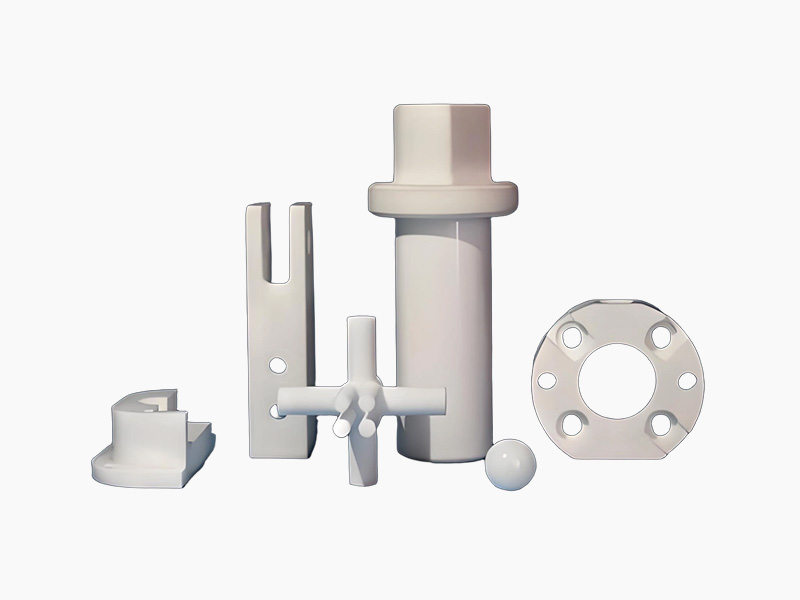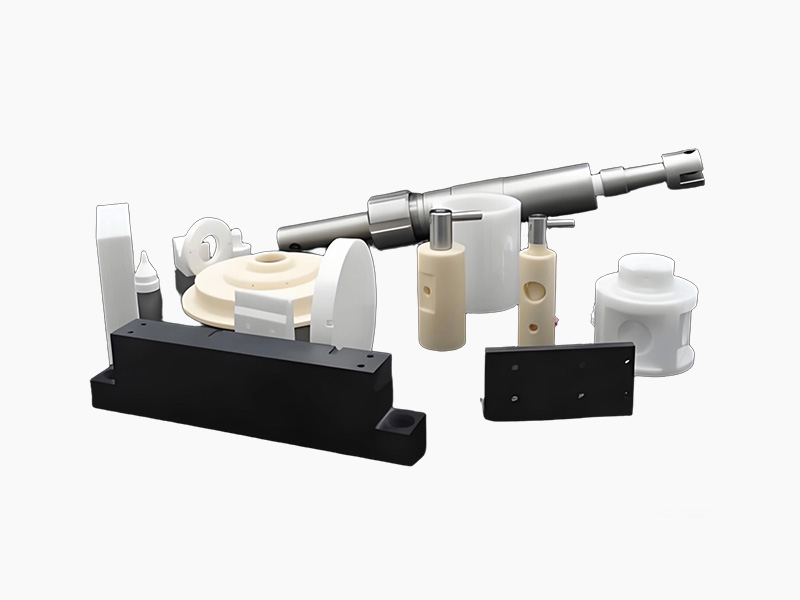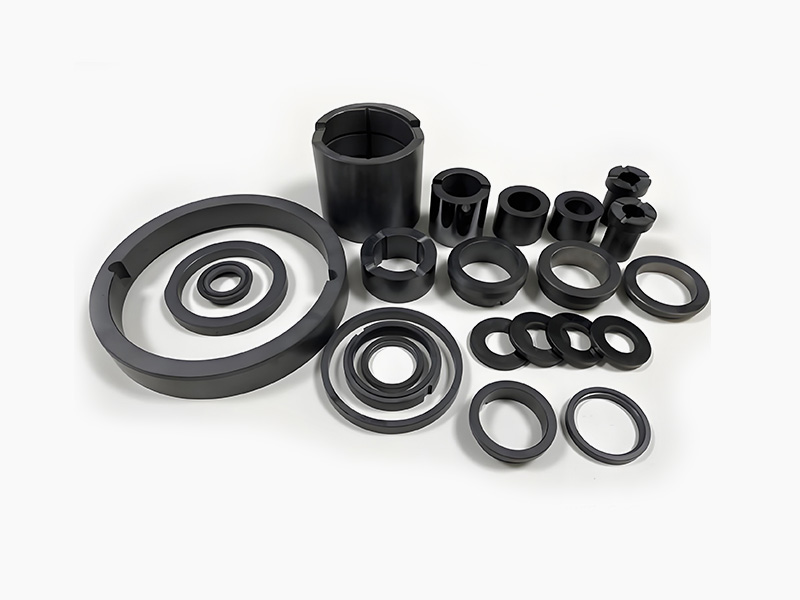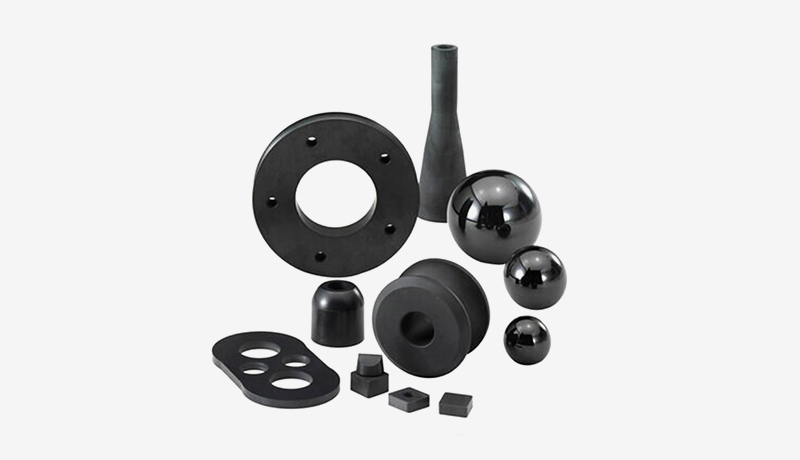
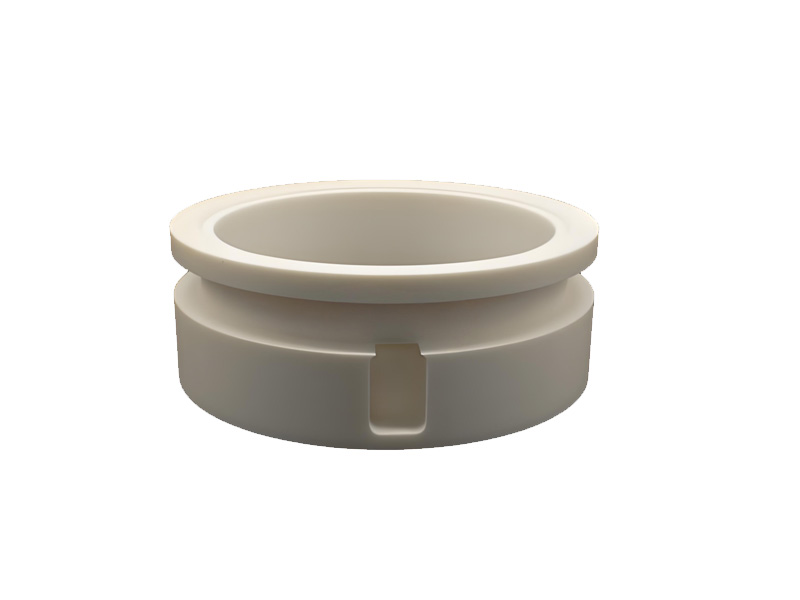
Alumina ceramic rings, as high-performance industrial materials, have wide applications in insulation, wear resistance, and precision structural components. The following is a comprehensive analysis of their core characteristics and market applications:
Ⅰ. Core Characteristics
1. High Hardness and Wear Resistance: Alumina ceramic rings have a Mohs hardness of 9, and their wear resistance is more than 200 times that of stainless steel. They are particularly suitable for wear-prone applications such as chemical equipment and grinding mills, extending service life to 10 times that of metal parts.
2. Excellent Insulation and High Temperature Resistance: With a resistivity of up to 10¹⁴ Ω·cm at room temperature, they can withstand temperatures up to 1600℃, and are widely used in high-frequency transformer insulation components and high-temperature industrial environments, significantly reducing equipment failure rates.
3. Adaptability to Precision Machining: They support customized production, including metallization and the formation of irregularly shaped structural components, meeting the needs of high-precision fields such as semiconductor packaging and medical equipment.
Ⅱ.Typical Application Scenarios
● Electronics and Electrical Appliances: Used as a signal module stabilizer in routers, insulation components for automotive sensors, and core components for high-frequency connectors.
● New Energy and Semiconductors: Used in solid-state battery separators to improve ion conductivity, and in chip packaging to match the thermal expansion coefficient of silicon wafers, thereby improving yield.
● Industrial Wear-Resistant Parts: Used in wear rings and sealing rings in the chemical and metallurgical industries, replacing traditional metal parts to extend equipment lifespan.
Supports custom specifications.