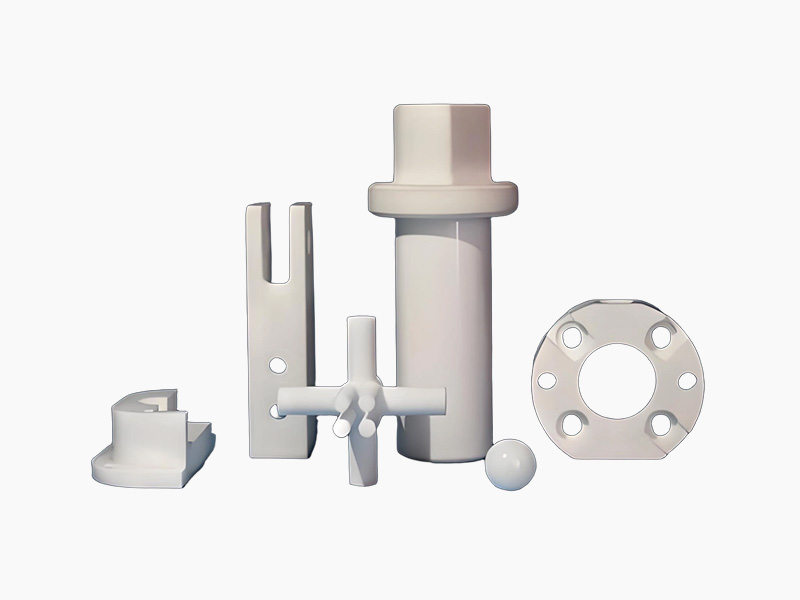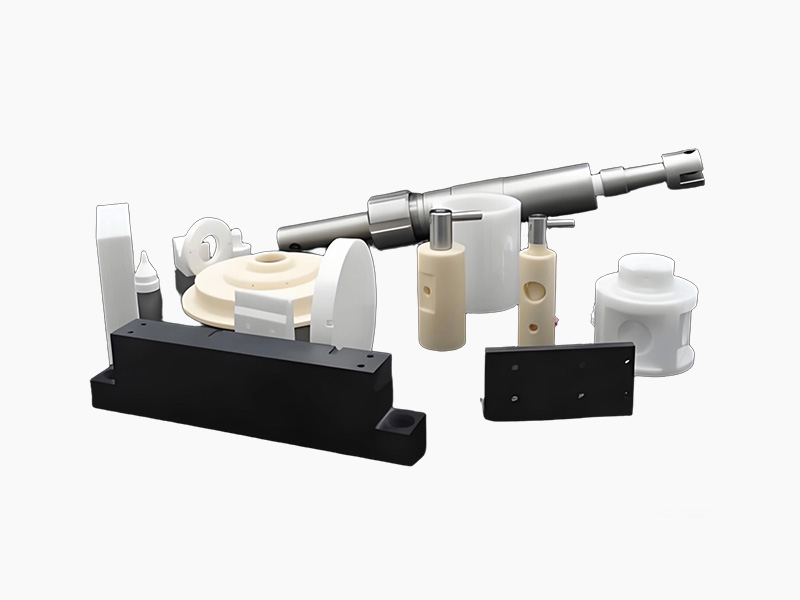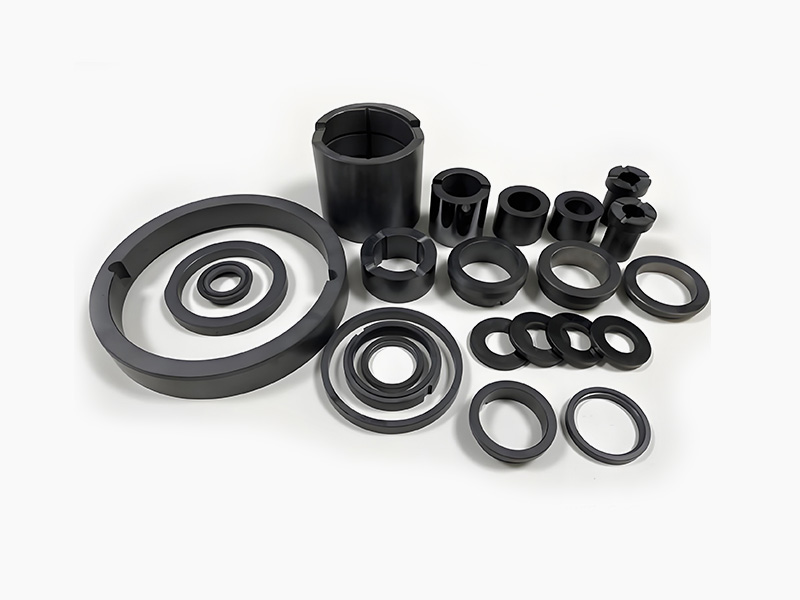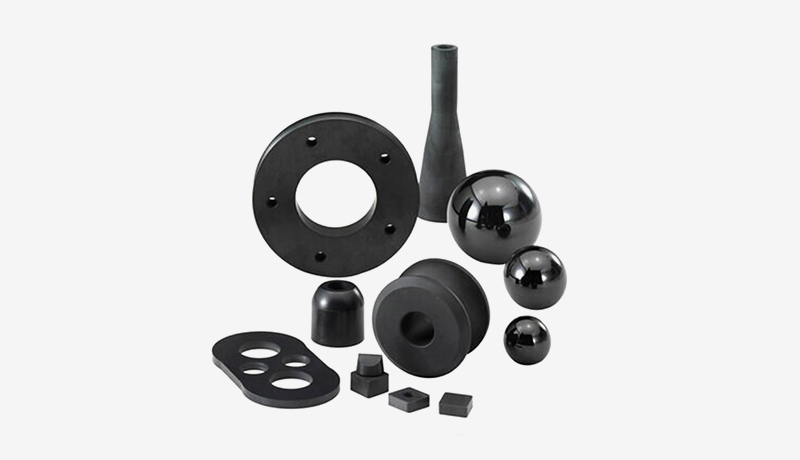
High temperature resistance: Melting point reaches 2050℃, suitable for high-temperature environments (such as kilns and electric furnace components).
High hardness and wear resistance: Rockwell hardness HRA80-90, wear resistance far exceeds metal materials, extending equipment lifespan.
Insulation: Resistivity of 10¹⁵ Ω·cm, suitable for electronic components (such as insulating bases and circuit housings).
Chemical stability: Resistant to acid and alkali corrosion, suitable for corrosive environments in chemical and pharmaceutical industries.
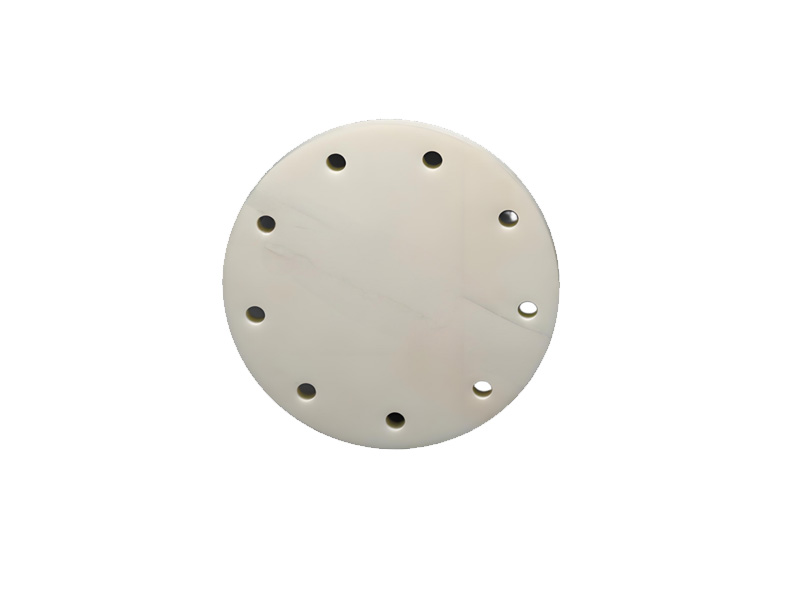
Alumina precision ceramic discs and wear-resistant high-temperature ceramic valve plates are widely used in industrial fields due to their excellent performance. The following is a related introduction:
Application Scenarios
1. Photovoltaic industry: Used as photovoltaic suction cups or wafer carriers, with CNC precision machining ensuring high accuracy.
2. Industrial parts: Such as refractory ceramic plates and heat dissipation plates, customized processing to meet different needs.
Advantages of Alumina Wear-Resistant High-Temperature Ceramic Valve Plates
1. Wear Resistance: With a Rockwell hardness of HRC90, the wear resistance is dozens of times greater than that of metal valve plates, making them suitable for high-pressure valves.
2. Corrosion Resistance: Resistant to strong acids and alkalis, suitable for corrosive media environments such as petrochemicals and wastewater treatment.
3. Sealing Performance: High-precision ground surfaces ensure tight sealing and reduce media leakage.
Application Scenarios
1. High-pressure valves: Replacing metal valve plates, extending the maintenance cycle from several months to more than one year.
2. Gas/water valve plates: Made of 95% or 99% alumina ceramic, possessing both sealing and insulation functions.
Supports custom specifications.