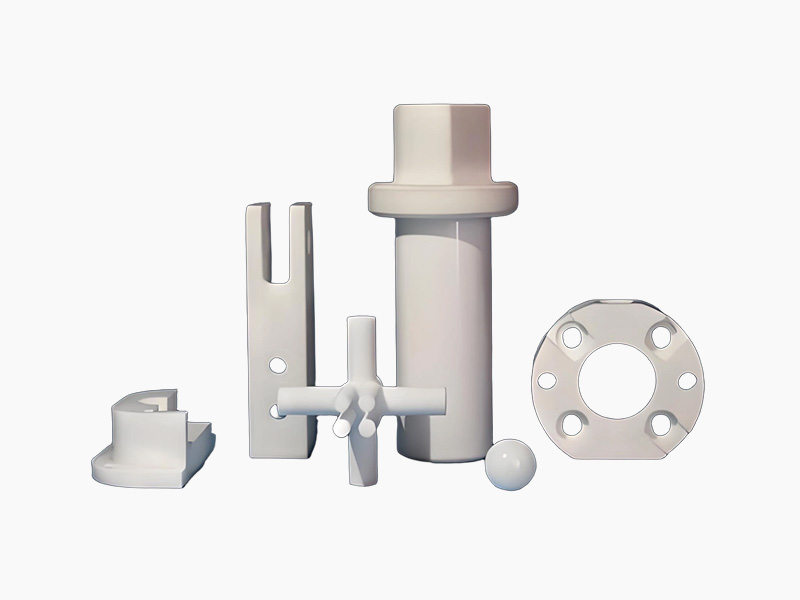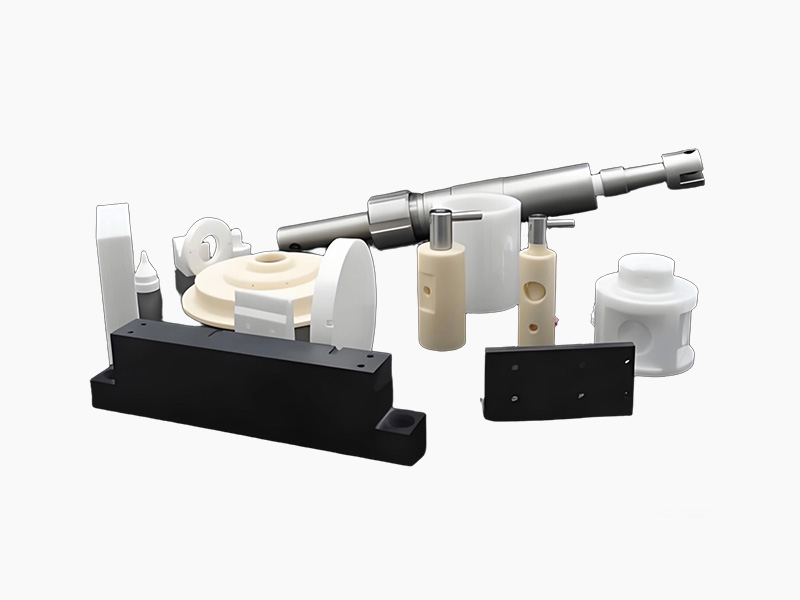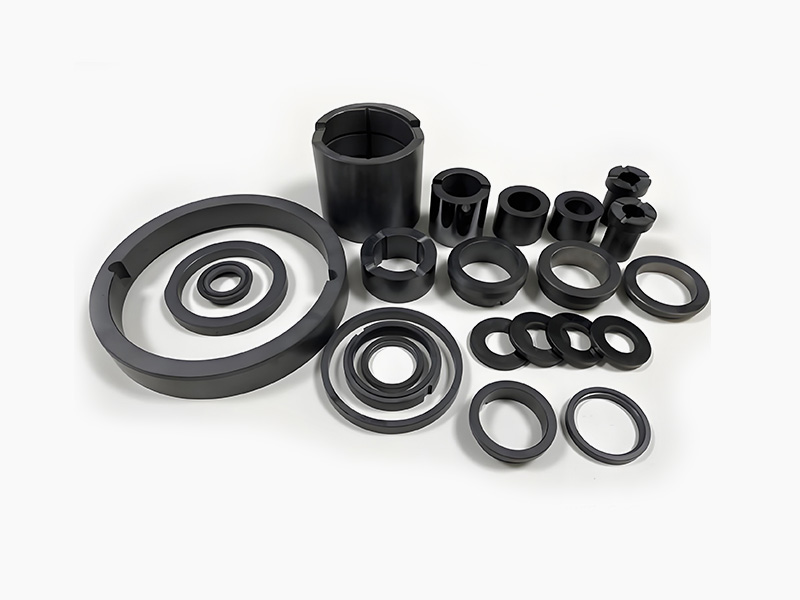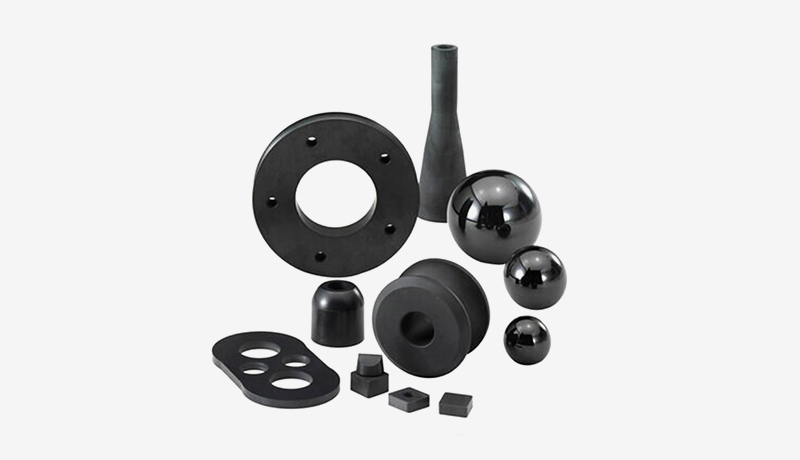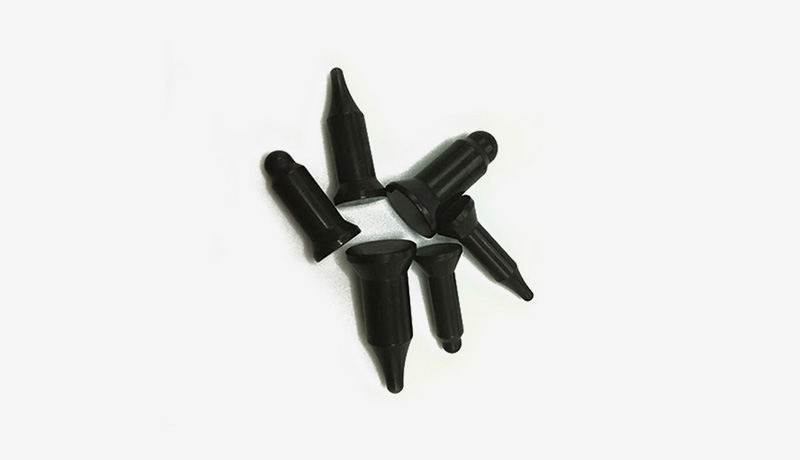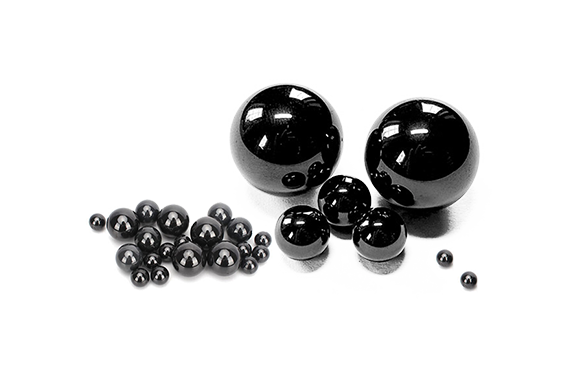
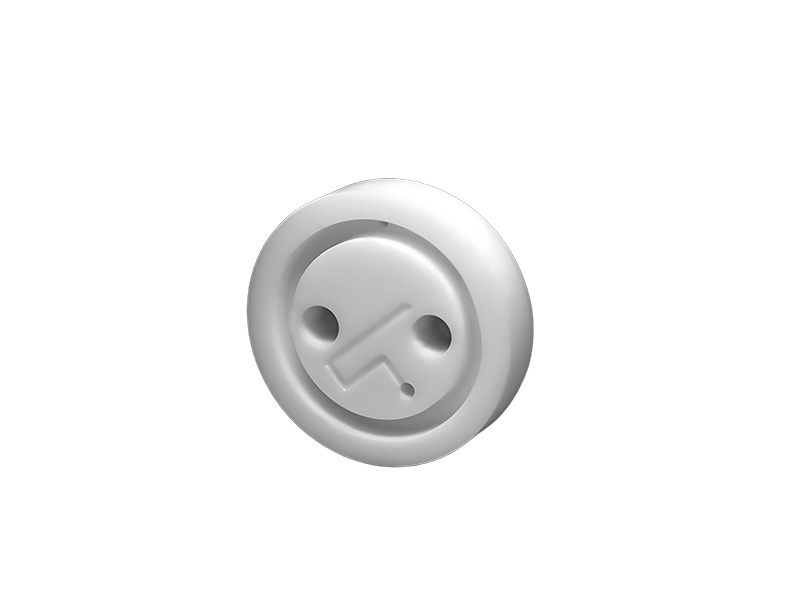
Material: High-purity zirconium dioxide ceramic (ZrO₂).
Hardness: Rockwell hardness HRA 88 or higher, Mohs hardness 8-9.
Mechanical Properties: Bending strength exceeding 800 MPa, compressive strength exceeding 3000 MPa.
Temperature Resistance: Can withstand high temperatures up to 1600℃, melting point up to 2715℃.
Chemical Stability: Resistant to acids, alkalis, salts, and other corrosive media, except hydrofluoric acid.
Surface Finish: Achieves W2 grade (ultra-precision machining standard).
Service Life: Up to 10,000 switching cycles without leakage under harsh working conditions.
I. Introduction to Zirconia Electronic Ceramic Valves
1. Zirconia electronic ceramic valves are a type of special valve made from zirconia (ZrO₂) material, belonging to the category of electronic ceramic valves. Their working principle is similar to traditional ball valves, controlling the flow of fluid by rotating a ball. When the ball rotates to contact the valve seat sealing surface, the valve closes, blocking the fluid flow; when the ball rotates away from the valve seat sealing surface, the valve opens, allowing fluid to pass through.
2. Zirconia ceramics possess unique phase transformation characteristics. By doping with specific metal ions (such as yttrium, calcium, etc.), the tetragonal or cubic phase can be stabilized, allowing it to maintain the corresponding structure at room temperature. This process is known as the "phase transformation toughening" mechanism.
II. Application Fields
1. Energy and Power: Boiler steam pipelines, flue gas desulfurization (FGD) systems, and ash and slag removal devices in thermal power plants.
2. Chemical and Metallurgical Industries: Acid, alkali, and salt media transfer valves in petroleum refining and chemical reactors, and slurry control valves for media containing particles/fibers.
3. Semiconductor Manufacturing: Ceramic insulating rings in etching equipment, achieving a stringent standard of ±0.5% etching uniformity by precisely controlling the plasma flow direction.
4. Nuclear Energy Field: High-temperature and high-pressure environments inside nuclear reactors, capable of long-term resistance to gamma rays and neutron radiation without embrittlement.
5. Electronics Industry: Used in the manufacture of components such as capacitors, resistors, inductors, filters, and sensors.
III. Product Features and Advantages
1. Wear Resistance: The hardness is more than 10 times that of 316L stainless steel, and its lifespan under high-speed fluid erosion is more than 10 times longer than that of metal components.
2. Corrosion Resistance: It exhibits excellent resistance to strong acid media such as sulfuric acid, hydrochloric acid, and nitric acid, as well as salt solutions.
3. High Temperature Stability: With a melting point of up to 2700℃, it can maintain stable mechanical properties in high-temperature environments.
4. Sealing Performance: The high sphericity of the ball and its self-lubricating surface characteristics enable a "zero leakage" sealing effect.
5. Low Maintenance Cost: The significantly extended service life reduces maintenance and replacement frequency.
6. Lightweight Design: The density is approximately 3.5-4.5 g/cm³, making it lighter than traditional metal materials.
Non-standard customization