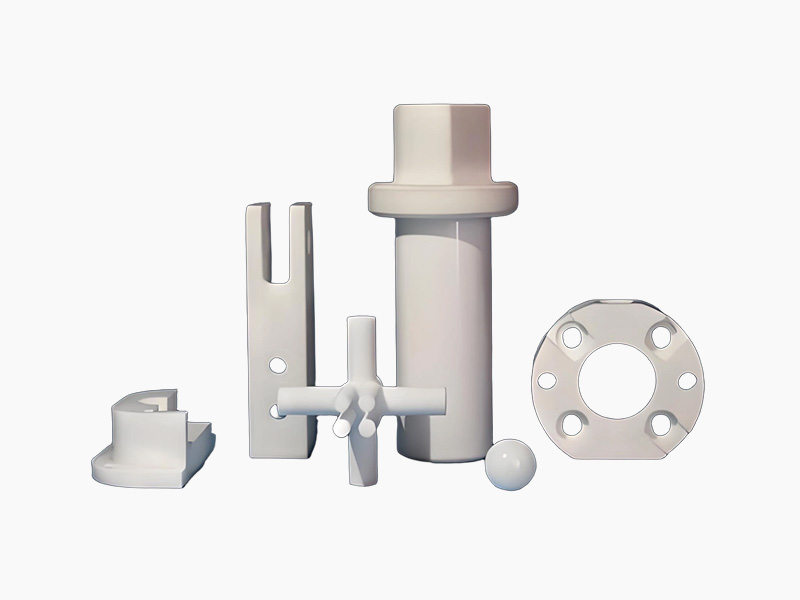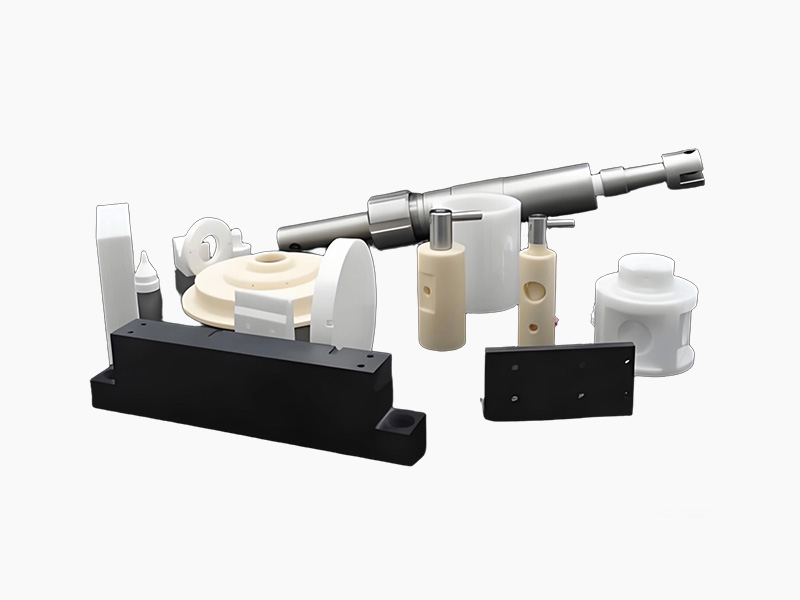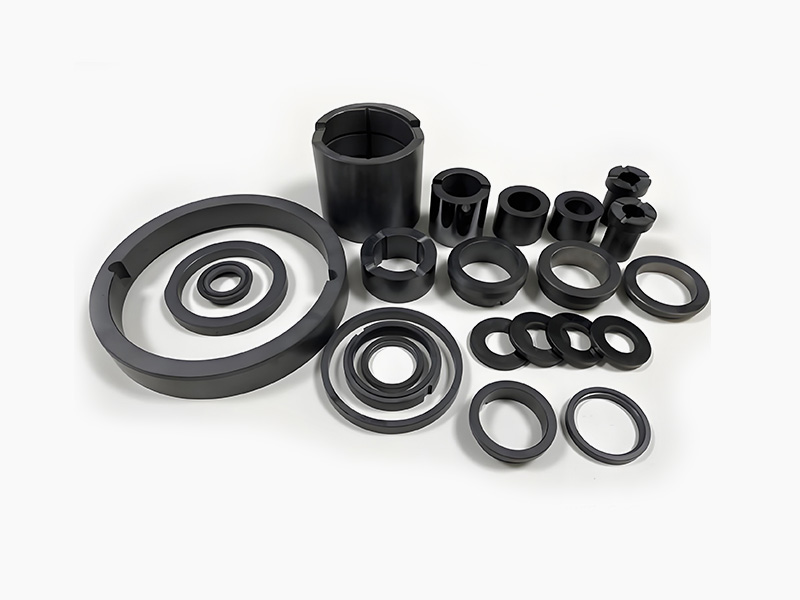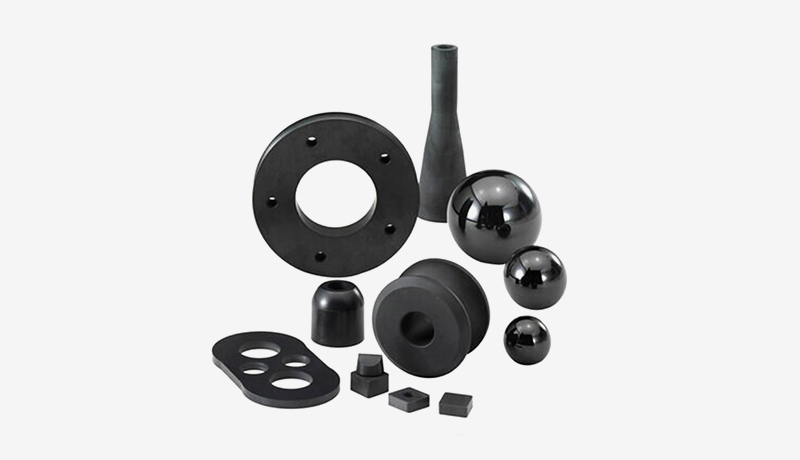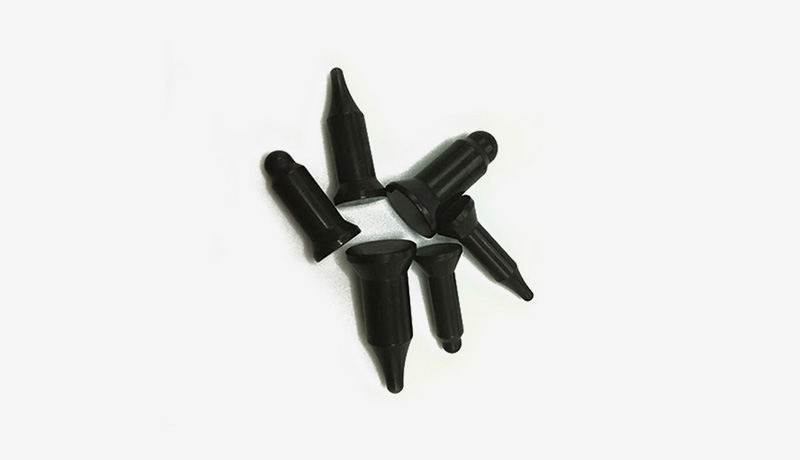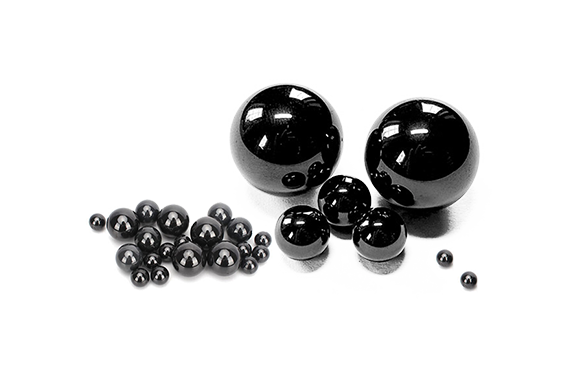
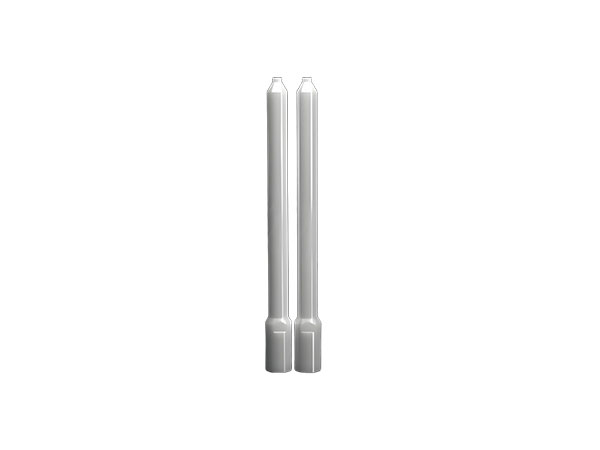
Zirconia Dispensing Valve Nozzle Product Introduction:
The zirconia dispensing valve nozzle is a high-precision industrial component primarily used in dispensing machines and other equipment. It features corrosion resistance, acid and alkali resistance, and high hardness. Made from zirconia ceramic material, it is suitable for precision dispensing operations in fields such as LCD/LED, semiconductors, IC components, automotive, machinery, medical, and electronics.
Technical Parameters and Performance Characteristics
1. Material Properties:
Material: Zirconia ceramic (ZrO₂)
Hardness: Mohs hardness above 8.5, Vickers hardness 1200HV (twice that of cemented carbide).
Density: 5.95-6.05 g/cm³
Melting point: Up to 2700℃
Coefficient of thermal expansion: 5.0 × 10⁻⁶/K, similar to steel.
2. Performance Advantages:
Wear resistance: Wear resistance is 15 times that of alumina ceramics, and the friction coefficient is only 1/2 to 1/3 of that of alumina.
High-temperature stability: Can work continuously at temperatures above 2000℃, and its thermal shock resistance is 3 times that of ordinary ceramics.
Surface finish: After grinding, it can reach a mirror-like finish (Ra≤0.2μm), resulting in low fluid resistance and a 28% reduction in energy consumption.
Chemical stability: Resistant to strong acid and alkali corrosion, exhibiting excellent performance in extreme corrosive environments.
Toughness: Fracture toughness is 8-10 MPa·m², which is 4 times that of alumina ceramics.
Application Fields
Zirconia dispensing valve nozzles are mainly used in the following fields:
1. Electronics industry: Semiconductor packaging, IC component dispensing, LCD/LED manufacturing.
2. Automotive industry: Precision coating of parts, sealant dispensing.
3. Medical equipment: Medical device coating, drug dispensing.
4. Other fields: 3D printing, precision machinery, aerospace, etc.
Compared to metal nozzles
1. Wear resistance is more than 10 times higher.
2. Corrosion resistance is stronger, with almost no chemical reaction.
3. Superior high-temperature performance (melting point 2200℃ vs. 800℃ for metal).
4. Lightweight design, resulting in a 15%-20% higher fuel injection speed.
Compared to alumina nozzles
1. Higher hardness (Mohs 8.5 vs. Mohs 9).
2. Better toughness (fracture toughness 8-10 MPa·m²).
3. Longer service life (up to 10 times that of alumina).
4. Higher surface finish (Ra ≤ 0.2 μm).
Supports custom specifications.