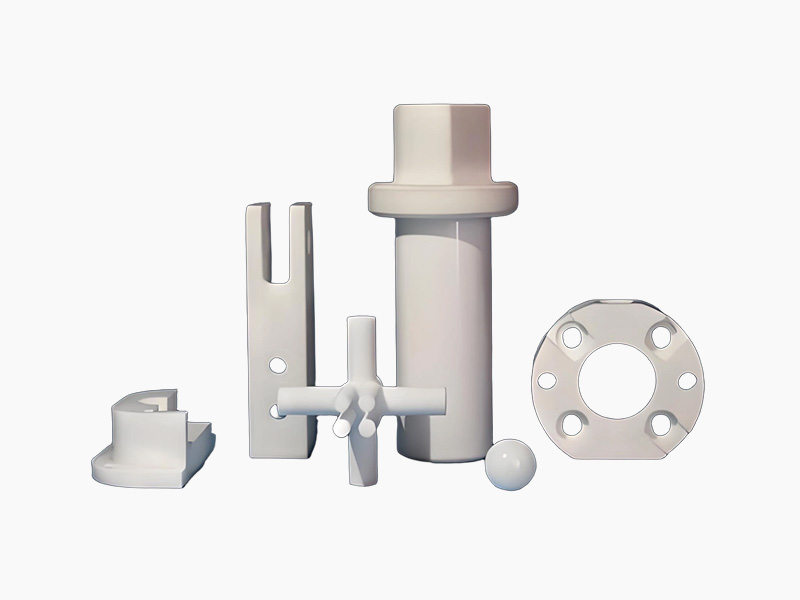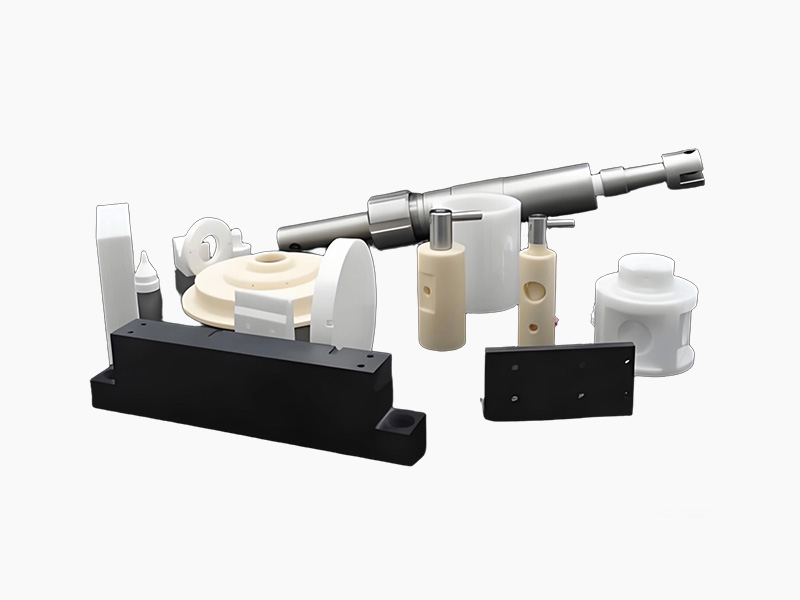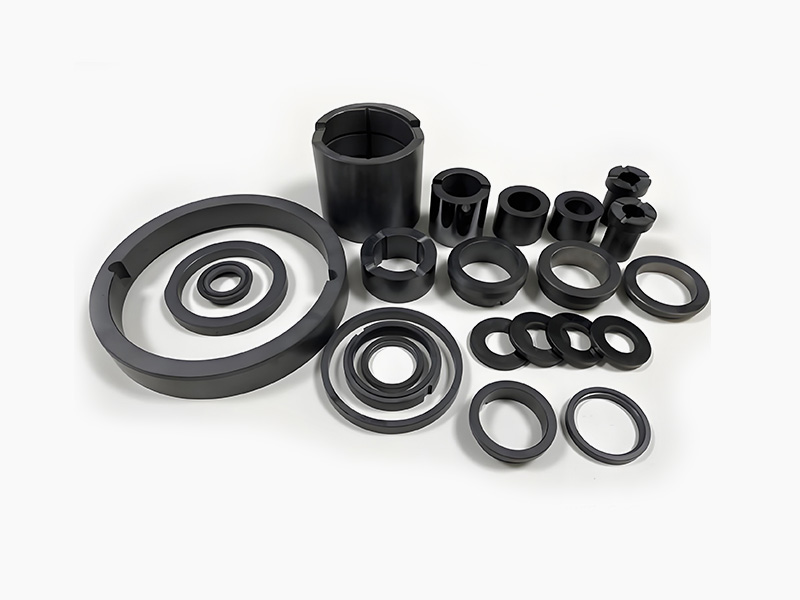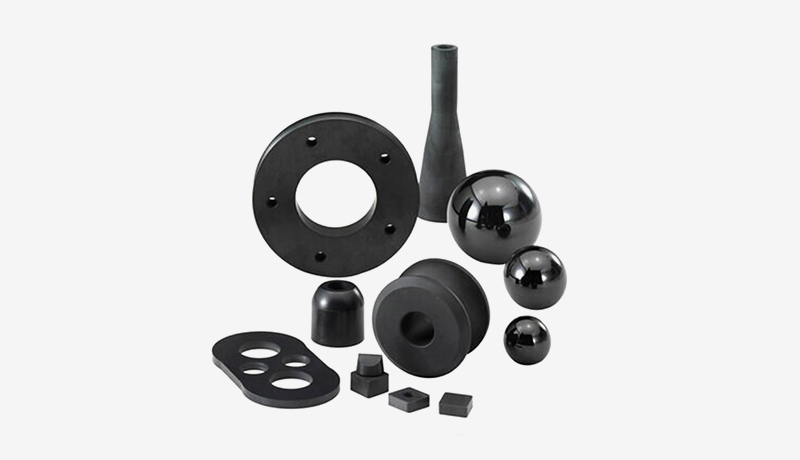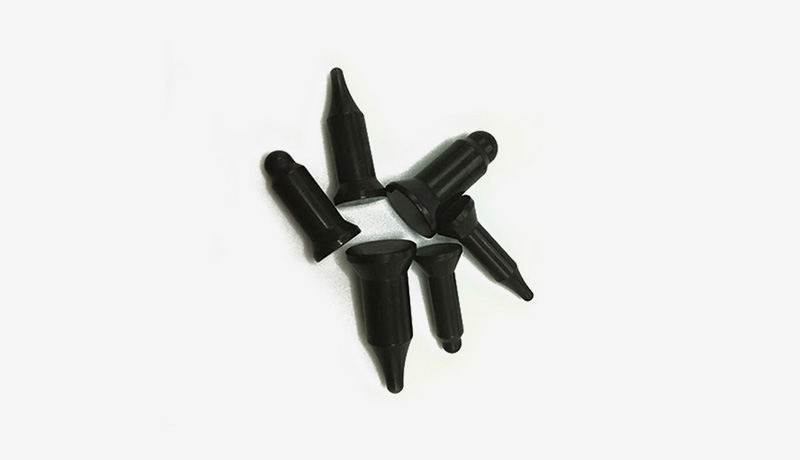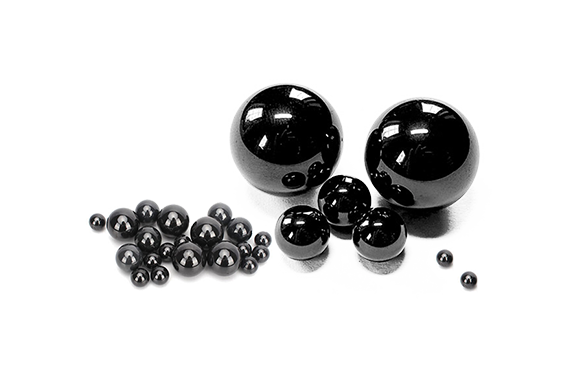
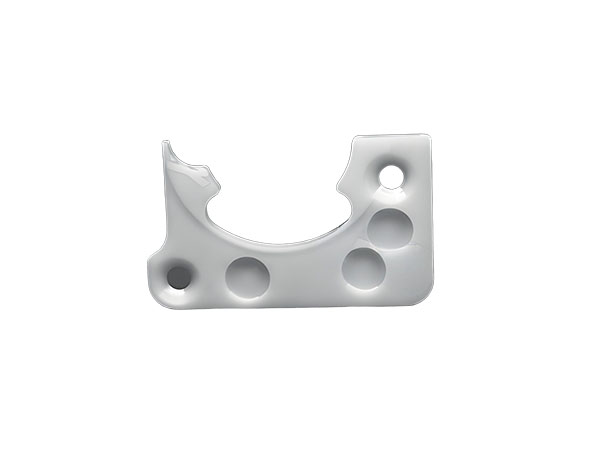
Zirconia Ceramic Structural Components Product Introduction:
Zirconia ceramic is a high-performance ceramic material primarily composed of zirconium dioxide (ZrO₂). At room temperature, it is mostly white and contains trace amounts of hafnium dioxide (HfO₂) and the stabilizer yttrium oxide (Y₂O₃). Its core characteristics include:
1. High melting point: 2715℃, one of the best refractory materials in nature.
2. High hardness: Microhardness reaches 1200 HV0.5, Mohs hardness 8-9.
3. Excellent toughness: Achieves phase transformation toughening through crystal structure transformation (monoclinic phase, tetragonal phase, cubic phase), with a fracture toughness of 8-10 MPa·m¹/².
4. Wear and corrosion resistance: Maintains stable performance in harsh environments such as high temperatures and acidic/alkaline conditions.
5. Biocompatibility: Highly compatible with human bone, suitable for medical implant applications.
Application Fields
1. Medical and Healthcare:
Dental restoration: Dental crowns, bridges, implants, etc., replacing traditional metal-ceramic teeth.
Artificial joints: Hip joints, knee joints, etc., with wear resistance superior to metal materials.
Surgical instruments: High-precision and corrosion-resistant surgical knives, forceps, etc.
2. Electronics and Semiconductor Industry:
Oxygen sensors: Utilizing high-temperature oxygen ion conductivity for automotive exhaust gas detection.
Piezoelectric materials: Manufacturing precision devices such as sensors and actuators.
Integrated circuit substrates: High insulation and low dielectric loss characteristics.
3. Industrial Machinery and Tools:
Wear-resistant components: Bearings, sealing rings, nozzles, pump bodies, etc.
Cutting tools: For processing high-hardness metals and composite materials.
Thermal barrier coatings: Protective layers for aircraft engine turbine blades.
4. Other Fields:
Jewelry and fashion: Cubic zirconia imitation diamond jewelry.
High-end watches: Lightweight watch cases and dial components.
Performance parameters
Performance indicators | Numerical value | Comparison (of alumina ceramics) |
Flexural strength | 800-1400 MPa | Approximately190MPa |
fracture toughness | 8-10 MPa·m¹/² | Approximately3-4 MPa·m¹/² |
density | Approximately 6 g/cm³ | Approximately3.9 g/cm³ |
hardness | 1200HV0.5 | Approximately1500HV |
Coefficient of thermal expansion | 11×10⁻⁶/K | 8×10⁻⁶/K |
Supports custom specifications.