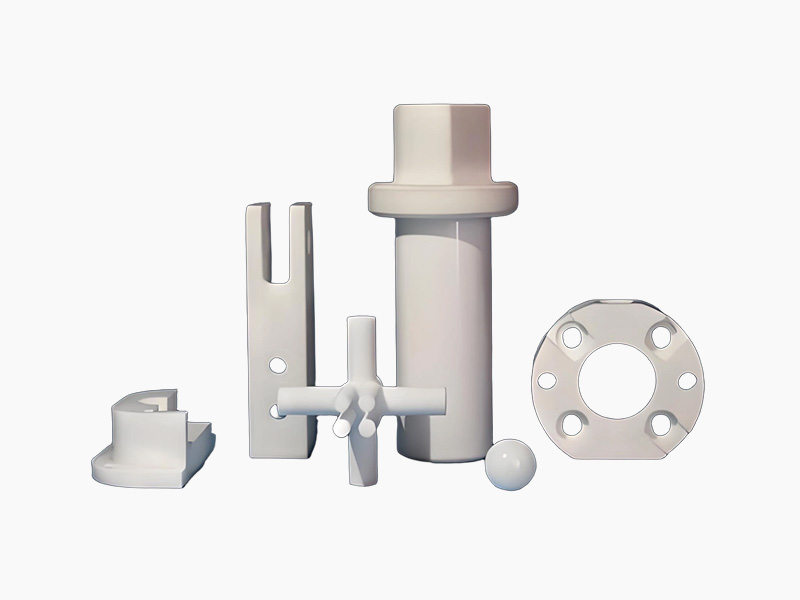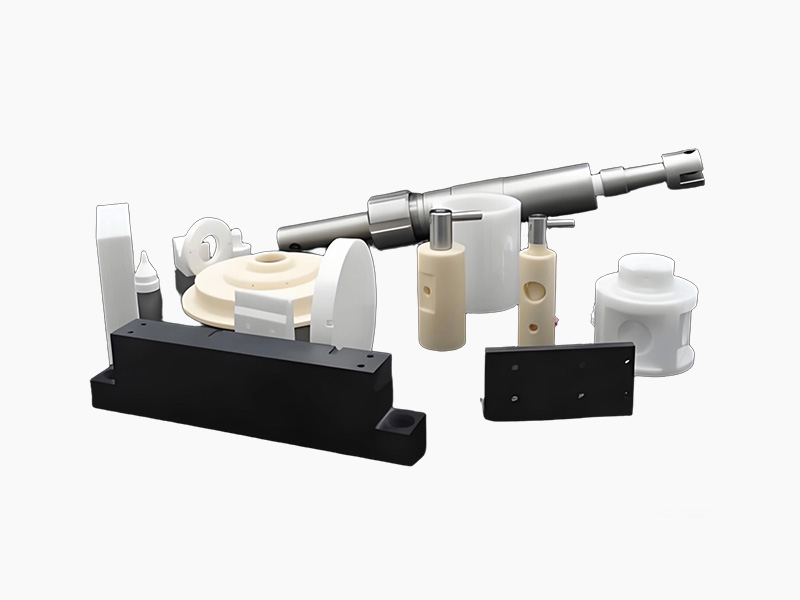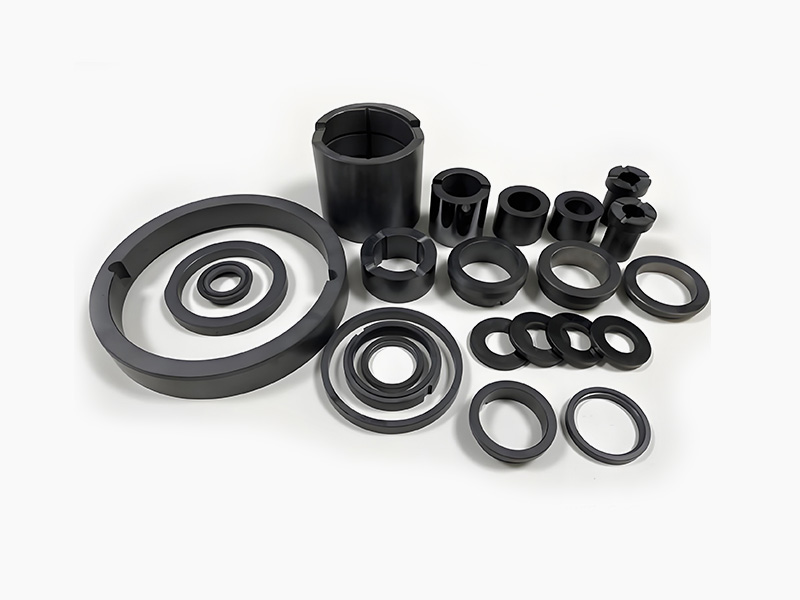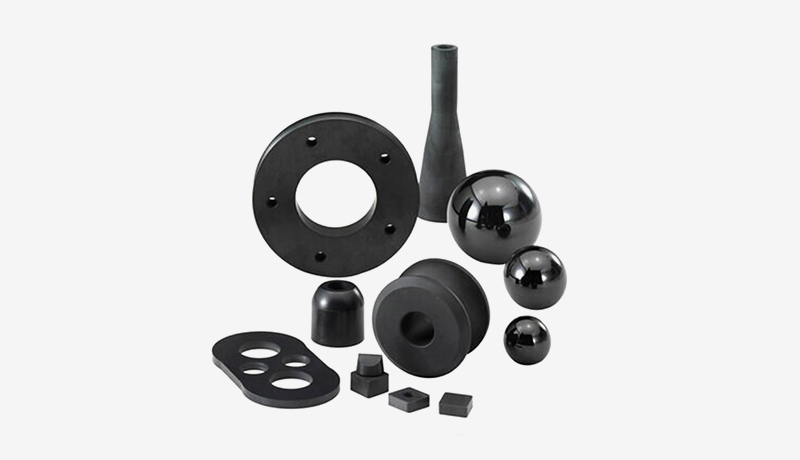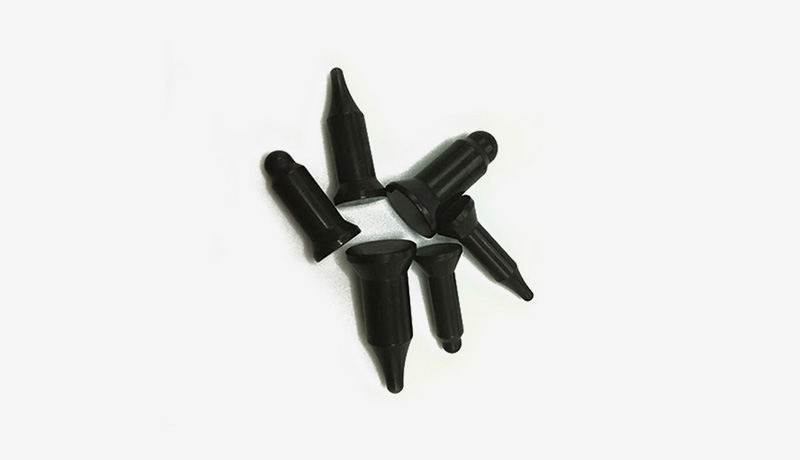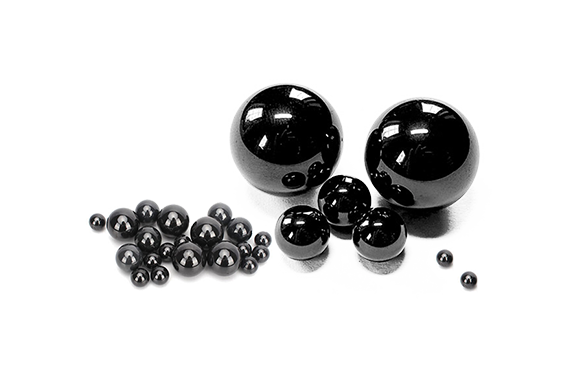
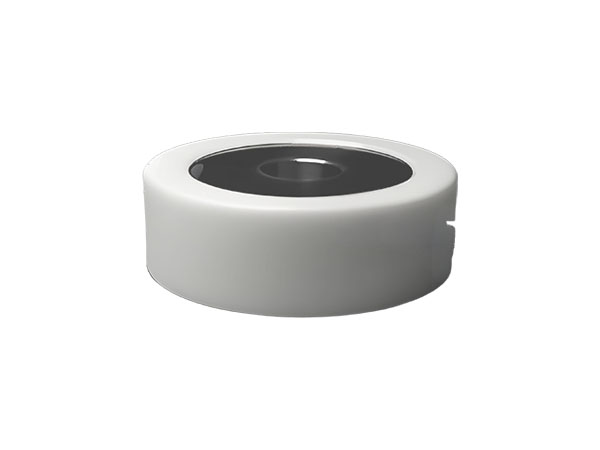
Zirconia ceramic (ZrO₂) is a high-performance structural ceramic with unique physicochemical properties:
Basic Characteristics:
1. High melting point of up to 2953K, exhibiting excellent chemical and thermal stability.
2. High fracture toughness (6-8 MPa·m¹/²) and low elastic modulus.
3. It is an insulator at room temperature and exhibits conductivity at high temperatures.
Product Classification
1. Pure Zirconia Ceramics: Three crystalline phases (monoclinic, tetragonal, and cubic) can interconvert.
2. Partially Stabilized Zirconia (PSZ): Contains stabilizers such as CaO, MgO, or Y₂O₃.
3. Tetragonal Zirconia Polycrystalline Ceramics (TZP): Composed of metastable tetragonal zirconia, exhibiting excellent mechanical strength.
4. Zirconia-Toughened Alumina Ceramics (ZTA): Combines the high strength of alumina with the high toughness of zirconia.
Application Fields
1. Medical field: Dental implants, artificial joints, orthopedic repair materials.
2. Industrial manufacturing: Bearings, sealing rings, nozzles, cutting tools.
3. Automotive industry: Oxygen sensor core components, pump body parts.
4. Aerospace: High-temperature structural components, thermal barrier coatings.
Combined Application of Ceramic Stretching Molds and Zirconia Ceramics
1. Material Composite Application:
Zirconia toughening technology can improve the toughness of ceramic molds, enhancing crack resistance through a phase transformation toughening mechanism.
ZTA ceramics (zirconia-toughened alumina) possess both high hardness and high toughness, making them suitable for manufacturing high-performance molds.
2. Performance Advantages:
The phase transformation toughening characteristics of zirconia effectively suppress crack propagation, extending the service life of the mold.
Under high-temperature and high-pressure working environments, zirconia ceramic molds maintain better dimensional stability.
Supports custom specifications.