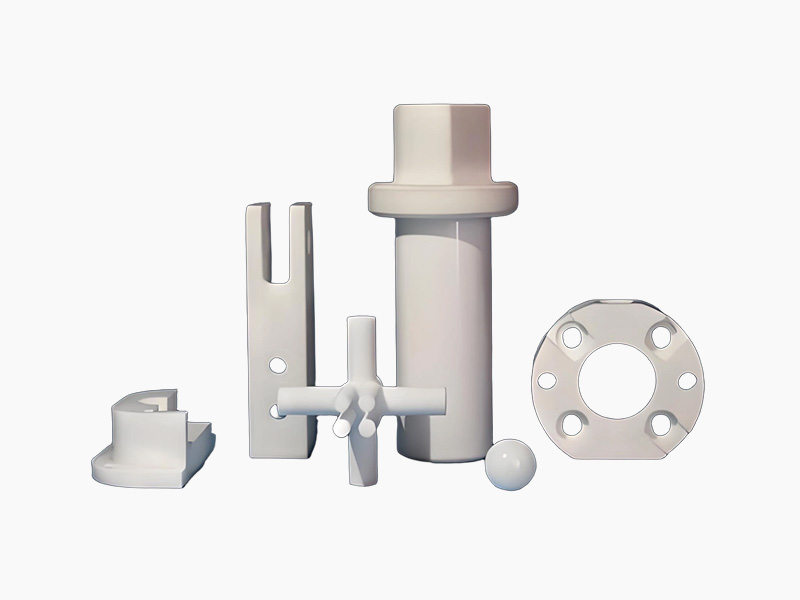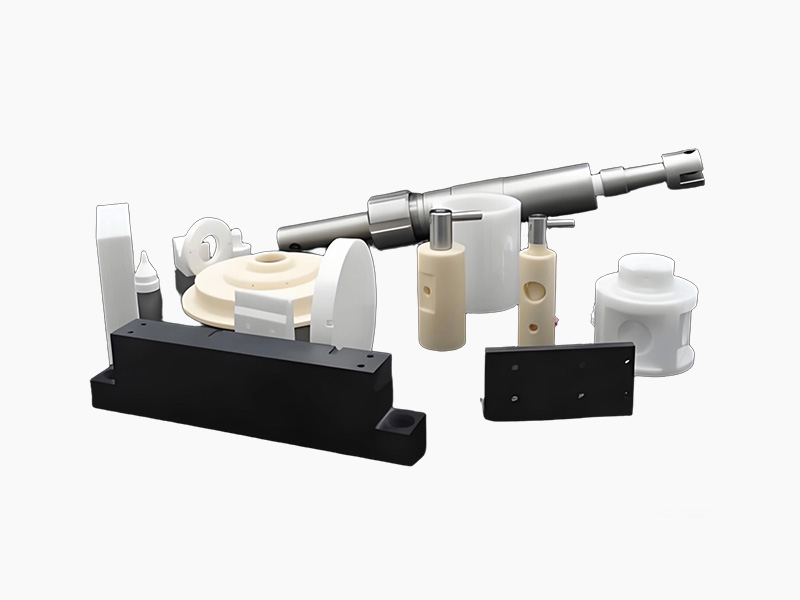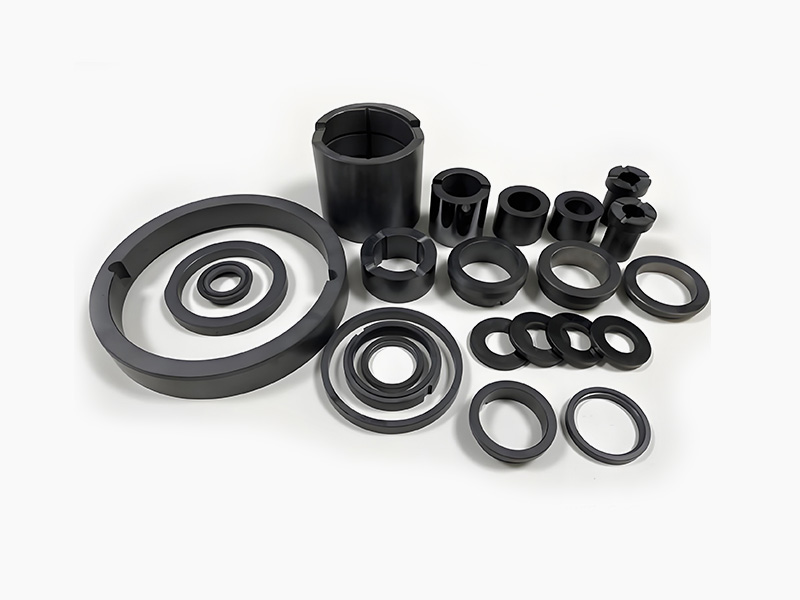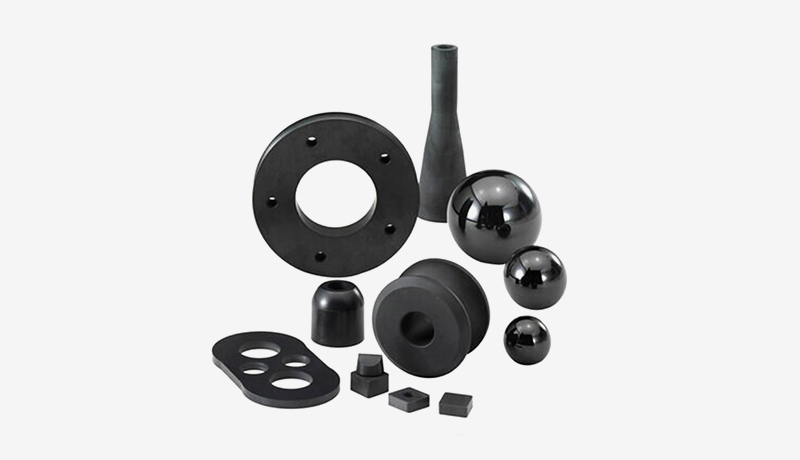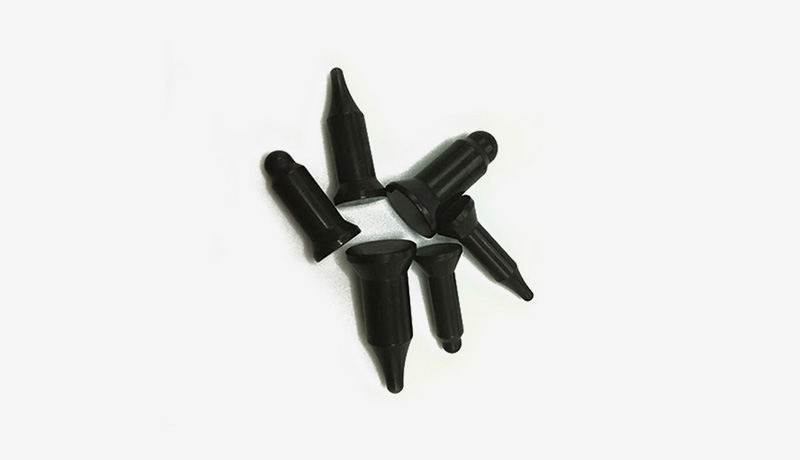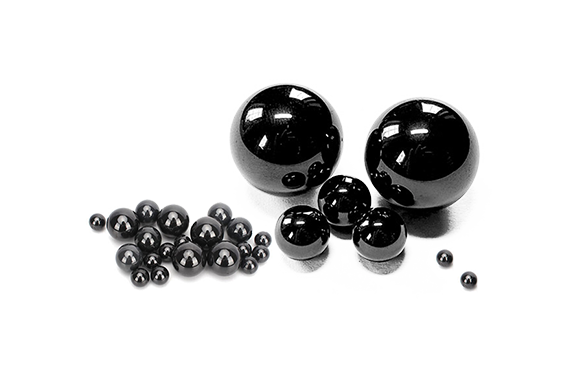
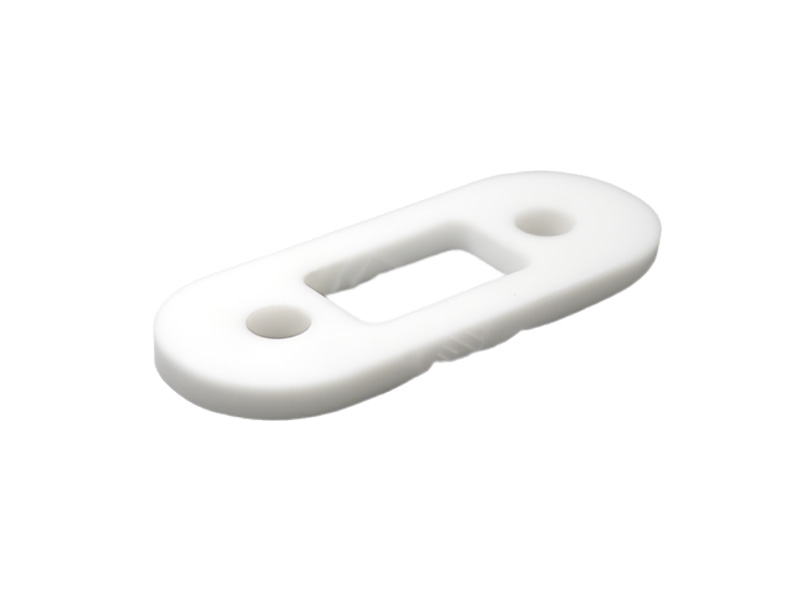
Ⅰ.Comprehensive Guide to Polishing Zirconia Wear-Resistant Ceramic Shaped Parts:
Zirconia wear-resistant ceramic shaped parts are high-performance ceramic products with the following significant characteristics:
1. Superior mechanical properties: Rockwell hardness reaches HRA80-90, second only to diamond. Its wear resistance is equivalent to 266 times that of manganese steel and 171.5 times that of high-chromium cast iron.
2. High-temperature stability: The melting point is as high as 2715℃, and it can maintain excellent performance even in high-temperature environments.
3. Lightweight design: The density is 3.5-6.0 g/cm³, only half that of steel, which can effectively reduce equipment load.
4. Chemical inertness: It has excellent corrosion resistance and is suitable for various harsh chemical environments.
5. Biocompatibility: It performs excellently in the medical field and is often used in dental restorations and artificial joint manufacturing.
Ⅱ.Processing Technology and Techniques
The processing of polished irregularly shaped parts employs a combination of advanced technologies:
1. Rough machining stage: High-precision CNC engraving machines are used for contour machining to determine the basic shape.
2. Semi-finishing: Fine milling cutters or grinding heads are used to improve workpiece accuracy.
3. Finishing: Micro-milling cutters are used to achieve high precision of ±0.01mm to ±0.001mm.
Ⅲ.Polishing Treatment
1. Chemical Mechanical Polishing (CMP): Combines chemical etching and mechanical grinding to achieve nanoscale surface roughness.
2. Ultrasonic Polishing: Particularly suitable for processing hard and brittle materials.
3. Electrolytic Polishing: Smooths the surface through anodic dissolution (suitable for conductive materials).
Ⅳ.Application Fields
Zirconia wear-resistant ceramic polished shaped parts are widely used in several high-end fields:
1. Industrial Manufacturing: Wear-resistant components such as bearings, sealing rings, nozzles, and cutting tools.
2. Medical and Healthcare: Dental restorations, artificial joints, and surgical instruments.
3. Electronics and Semiconductors: Oxygen sensors, piezoelectric devices, and integrated circuit substrates.
4. Aerospace: Thermal barrier coatings and high-temperature structural components.
5. Precision Machinery: High-precision positioning blocks and insulating ceramic parts.
Ⅰ.The key performance parameters for polishing irregularly shaped parts made of zirconia wear-resistant ceramic include:
Parameter Name | Numerical range | Testing standards |
density | 3.5-6.0 g/cm³ | |
Elastic modulus | 250GPa | |
Thermal conductivity | 2.0 W/(m·K) | At 20°C |
Coefficient of thermal expansion | 10.0×10⁻⁶/℃ | |
hardness | HRA80-90 | Measured by the Shanghai Institute of Ceramics, Chinese Academy of Sciences. |
Wear resistance | 266 times that of manganese steel | Measured by the Powder Metallurgy Research Institute of Central South University. |
Supports custom specifications.