Dimensions: The mainstream size is 20×20×1mm (suitable for dental scanner head space), and larger sizes of 30×30mm or 100mm can be customized.
Thickness: 1mm lightweight design to reduce the feeling of foreign objects during use.
Accuracy Level: ±0.001mm (photolithography process ensures dot matrix position error ≤1μm).
Hardness: Mohs hardness of approximately 8.5, close to the hardness of emerald (9).
Temperature Resistance: Melting point up to 2700 degrees Celsius, maintaining stable dimensions even at high temperatures.
Wear Resistance: 3-5 times higher wear resistance compared to traditional metal bearings.
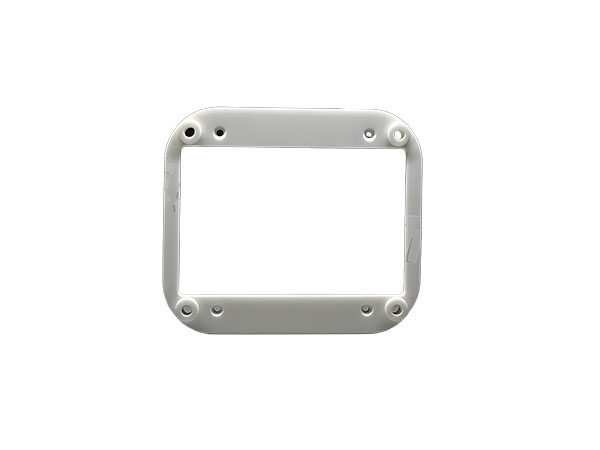
Overview of High-Precision Zirconia Ceramic Positioning Frames
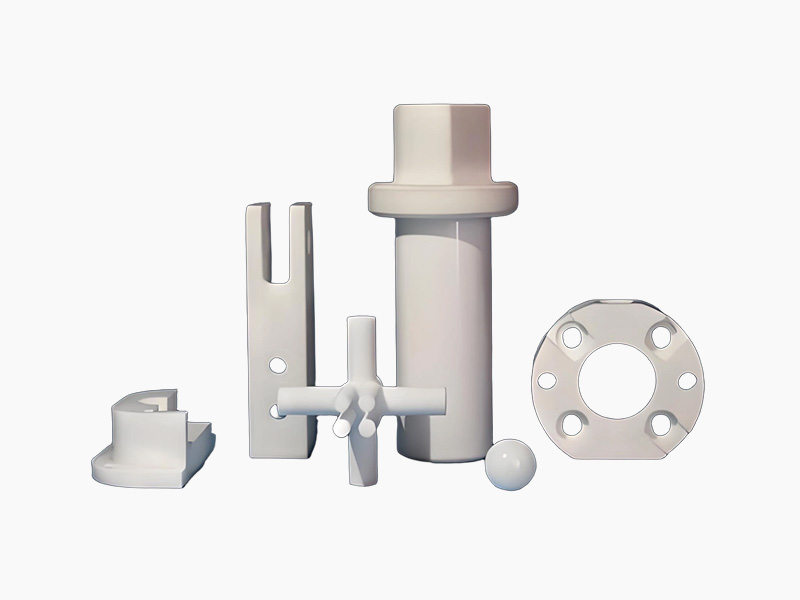
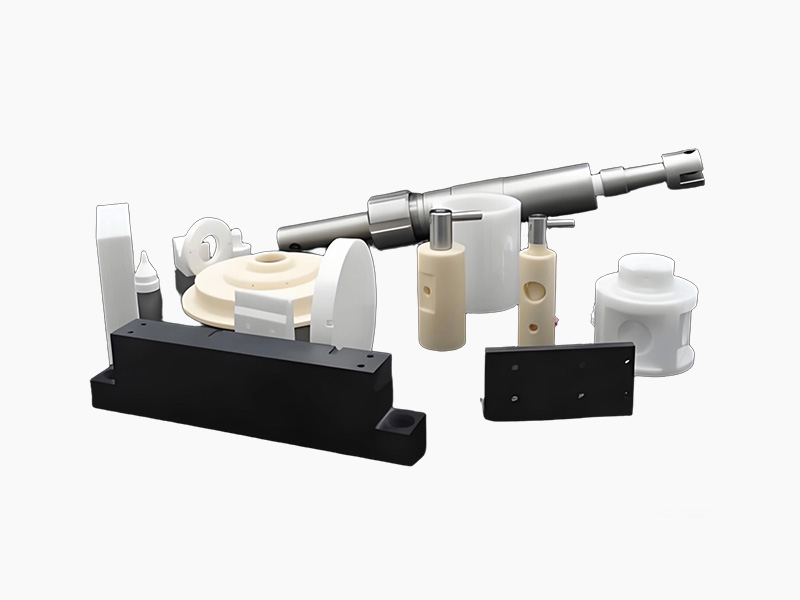
High-precision zirconia ceramic positioning frames are precision industrial components made from zirconia (ZrO₂) ceramic material, possessing excellent physical and chemical properties. Zirconia ceramics belong to a new type of ceramic material, mainly divided into three types: magnesium-stabilized zirconia, cerium-stabilized zirconia, and yttrium-stabilized zirconia. These positioning frames are widely used in industrial manufacturing, especially in applications requiring high precision, high wear resistance, and corrosion resistance.
Application Fields
1. Industrial Manufacturing
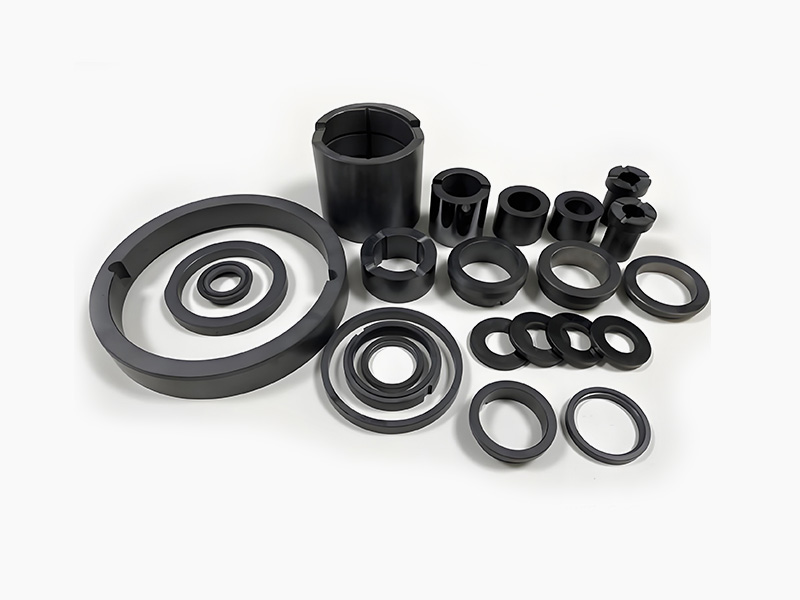
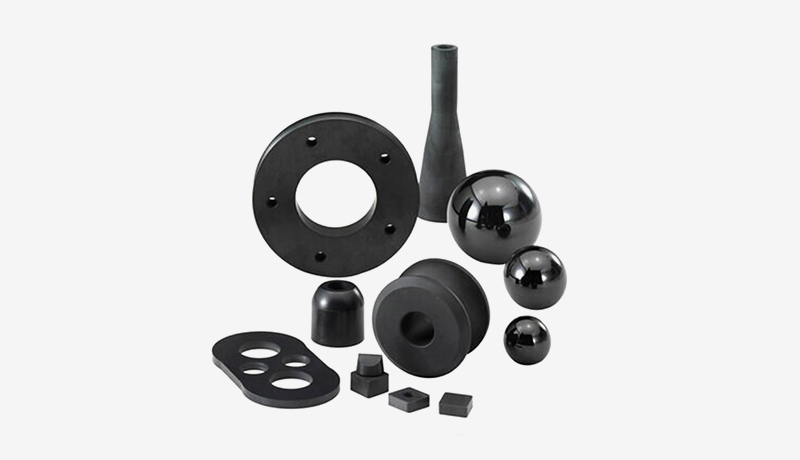
In industrial manufacturing, the high wear resistance and stability of zirconia ceramic positioning frames are key competitive advantages. They are widely used in: critical components such as bearings, sealing rings, nozzles, and cutting tools; bearings, rollers, races, high-temperature bolts, plunger pumps, and sealing materials in the mechanical industry; and high-temperature components such as thermocouple sheaths, molds, crucibles, furnace chambers, combustion nozzles, heating element fixtures, and furnace linings.
2. Medical and Healthcare
Thanks to its high biocompatibility and excellent match with human bone, zirconia ceramic positioning frames have important applications in the medical field: they are the preferred material for dental restorations such as crowns and bridges; in artificial joints, their low friction coefficient and wear resistance extend service life; and they are used in medical (oral scanning) ceramic calibration plates/black and white contrast correction plates.
Material comparison advantages
1. Compared to metal materials
Characteristic | Zirconia ceramics | Metal materials |
hardness | High (Mohs hardness 8.5) | medium |
Wear resistance | Increase by 3-5 times | generally |
High temperature resistant | Melting point: 2700℃ | lower |
Corrosion resistant | Excellent | generally |
Coefficient of thermal expansion | Low | Higher |
Biocompatibility | good | May cause allergic reactions. |
2. Compared to alumina ceramics
Characteristic | Zirconia ceramics | Aluminum oxide ceramics |
toughness | High (phase transformation toughening) | lower |
hardness | high | Very good |
High temperature resistant | Excellent | good |
Insulation | generally | excellent |
Biocompatibility | Excellent | good |
Supports custom specifications.