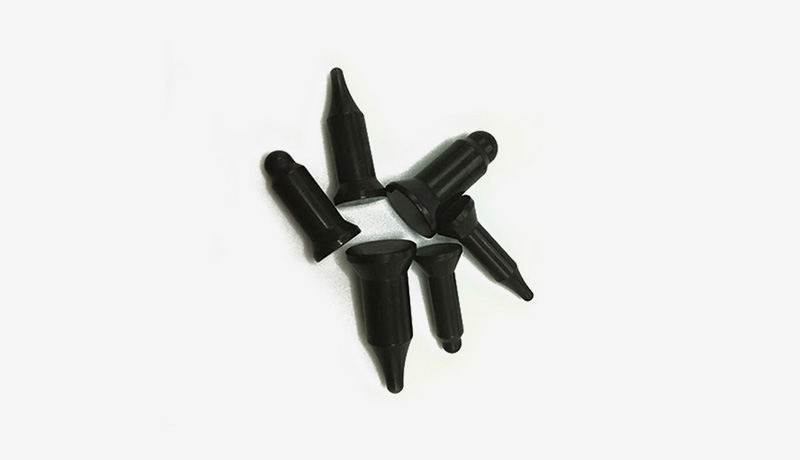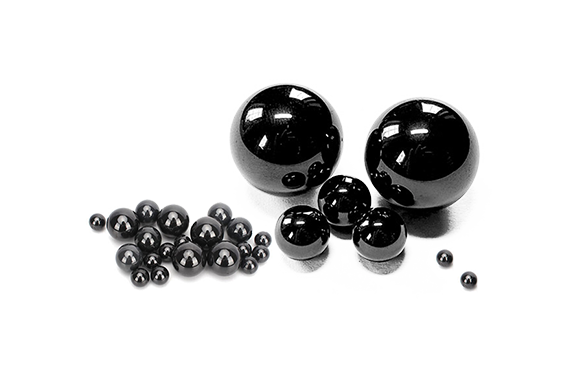
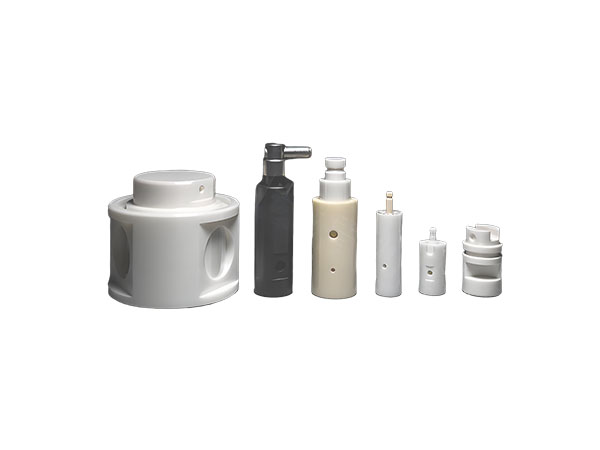
The following is a professional product introduction of zirconia ceramic cores, covering their characteristics, application fields, manufacturing process, and advantages:
Product Overview
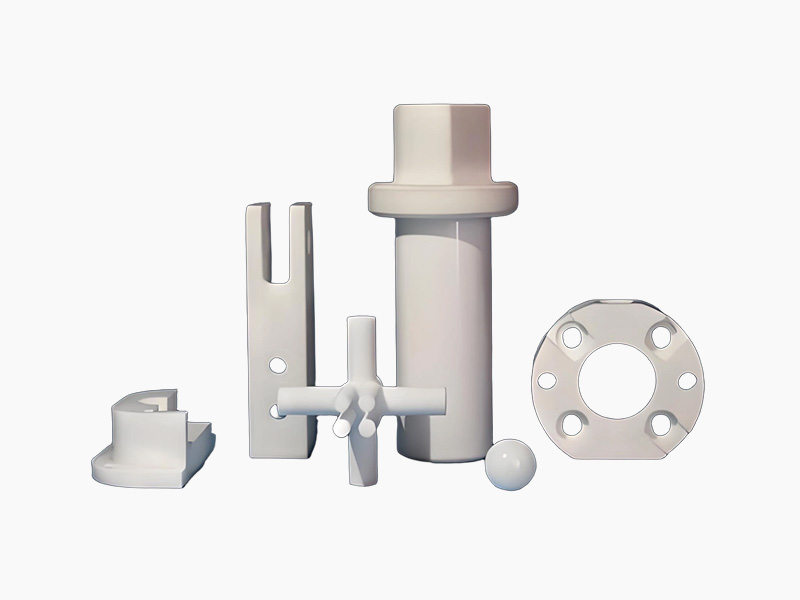
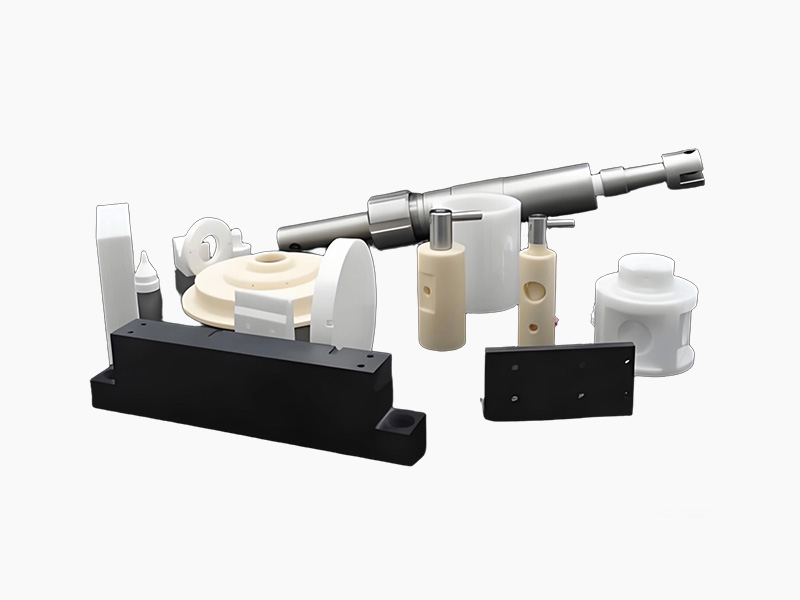
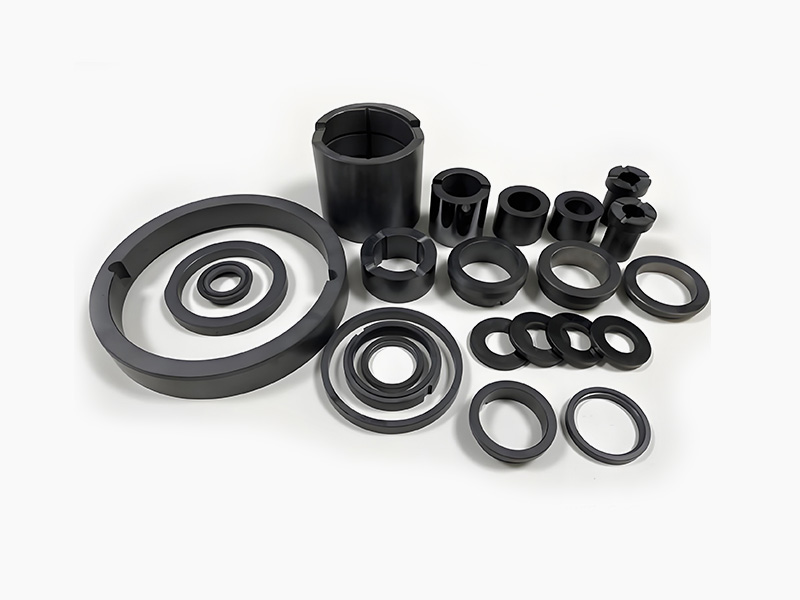
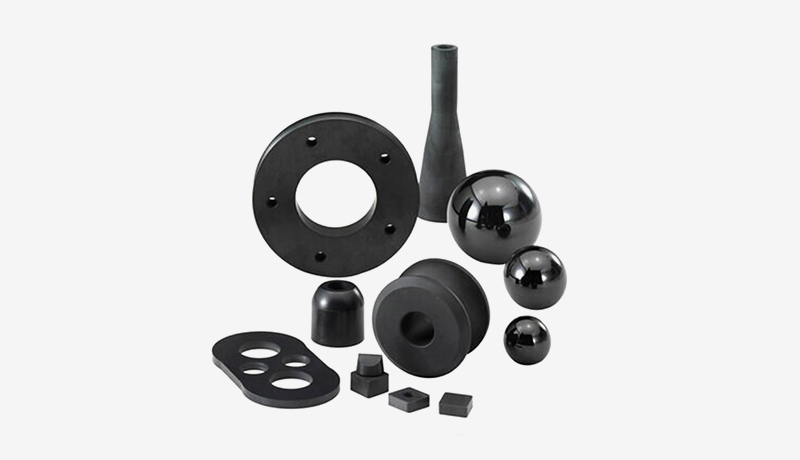
Zirconia ceramic cores are precision ceramic components manufactured using high-purity zirconia (ZrO₂) as the main raw material through advanced molding and sintering processes. They possess characteristics such as high strength, high temperature resistance, low thermal conductivity, and chemical inertness, making them a key functional material in high-end industrial fields, especially suitable for applications with stringent performance requirements such as precision casting, semiconductors, and medical devices.
Core Characteristics
1. Extreme High Temperature Resistance: Maximum operating temperature reaches 1500-1600℃ (stable phase), suitable for molten metal casting or high-temperature sintering environments. Low thermal conductivity (≈2 W/m·K) provides effective thermal insulation and protects surrounding components.
2. Superior Mechanical Properties
Bending Strength: ≥1000 MPa (far exceeding alumina ceramics by 3-4 times).
Fracture Toughness: 8-10 MPa·m¹/² (comparable to metals, with strong impact resistance).
Hardness: HV 1200-1300 (wear and scratch resistant).
3. Chemical and Biological Stability
Resistant to acid and alkali corrosion (stable in pH 1-14 environments), insoluble in organic solvents.
Non-toxic, non-magnetic, and complies with ISO 10993 biocompatibility standards, suitable for medical implants.
4. Precise Dimensional Control
Sintering shrinkage rate can be controlled within ±0.5%, and surface roughness Ra < 0.1μm, meeting micron-level tolerance requirements.
Advanced Manufacturing Processes
1. Material Modification: Adding Y₂O₃/MgO/CeO₂ stabilizers to achieve a tetragonal zirconia (TZP) structure, preventing high-temperature phase transformation and cracking.
2. Precision Molding: Ceramic Injection Molding (CIM): Suitable for mass production of complex and irregularly shaped parts (tolerance ±0.1mm).
3. 3D Printing Gel Casting: No mold required, enabling rapid manufacturing of topologically optimized structures.
4. Sintering Technology: Hot Isostatic Pressing (HIP), 1600℃ + 200MPa argon environment, eliminating porosity to 99.9% of theoretical density.
Application areas
industry | Application Scenarios | Core values |
Precision casting | Casting molds for turbine blades of aircraft engines and hollow cavities of gas turbines. | Resistant to high-temperature metal melt erosion, complex internal cavities are formed in a single molding process. |
Semiconductor manufacturing | Wafer polishing fixtures, etching machine components, PVD/CVD process carrier plates. | High cleanliness, low particle shedding, and insulation against plasma. |
Medical devices | Dental implant abutments, joint replacement prostheses, and wear-resistant components for surgical instruments. | Biologically inert, long-term stability in the body, wear-resistant. |
Energy and Chemicals | Fuel cell electrolyte membranes, valve sealing rings, wear-resistant pump bodies. | Ionic conductivity, corrosion resistance, zero-leakage sealing. |
Consumer electronics | Mobile phone back panels, smart wearable device structural components, 5G filters. | High dielectric constant, low signal loss, and enhanced texture. |
Supports custom specifications.