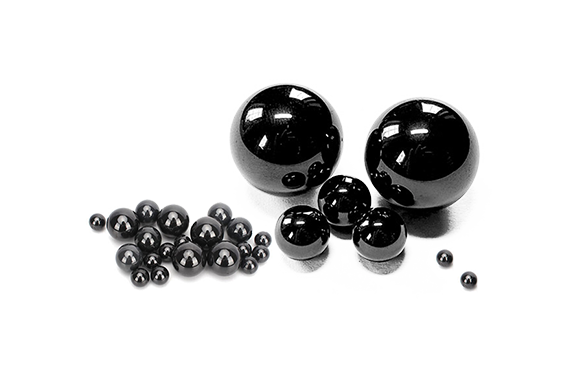
Lightweight: Zirconia ceramic density is only 40% of steel, reducing centrifugal force by 30% during high-speed operation.
Long lifespan: The friction coefficient is as low as 0.002 (compared to approximately 0.01 for steel bearings), resulting in a lifespan 3-5 times longer than steel bearings.
High precision: Manufactured with nanoscale materials, achieving P4 precision (ISO standard).
Non-magnetic: Suitable for medical equipment such as MRI machines, without interfering with signals.
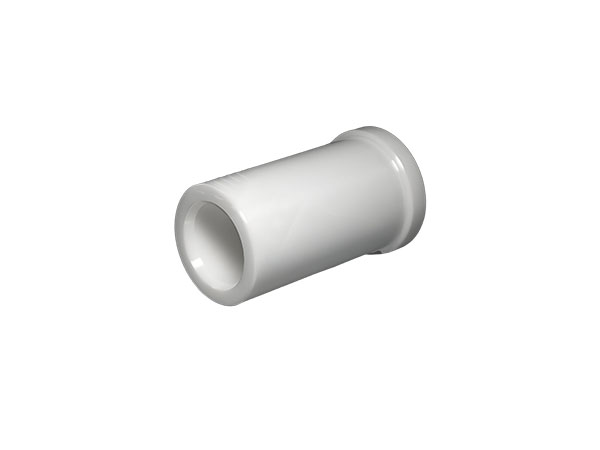
Zirconia Ceramic Bushing Product Introduction
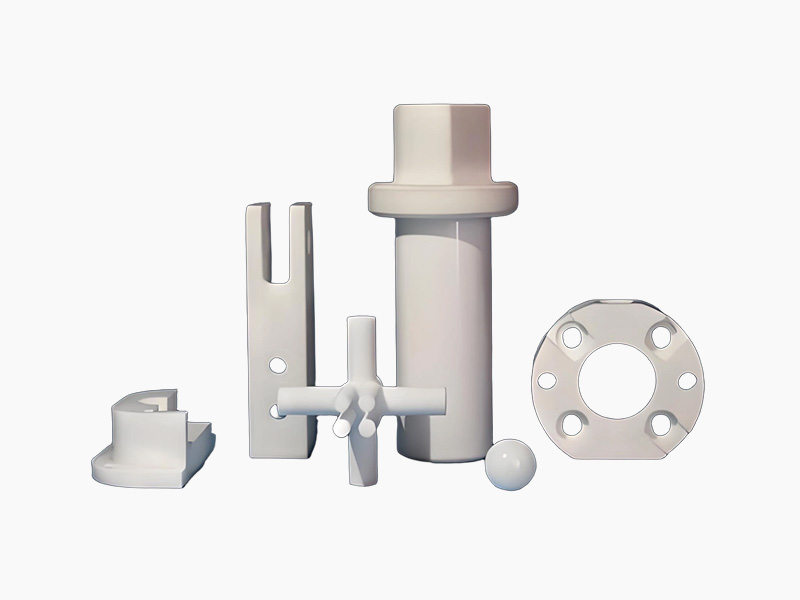
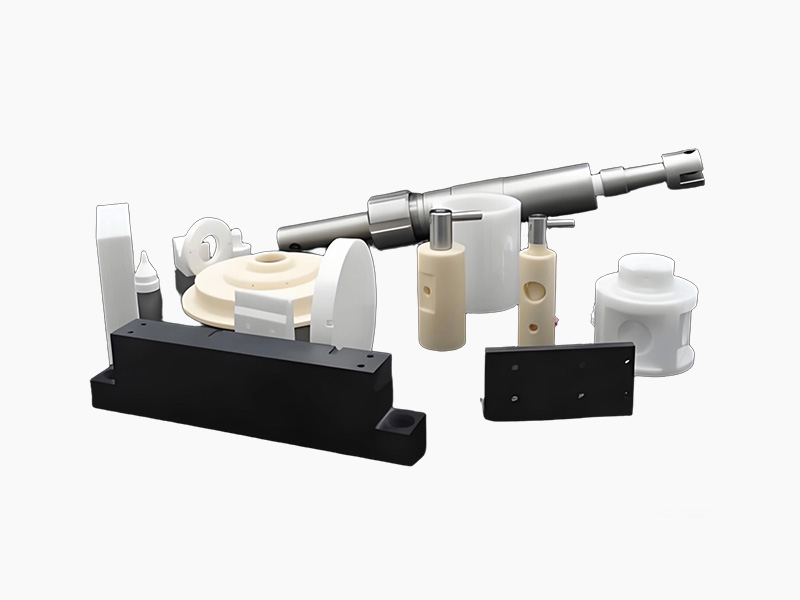
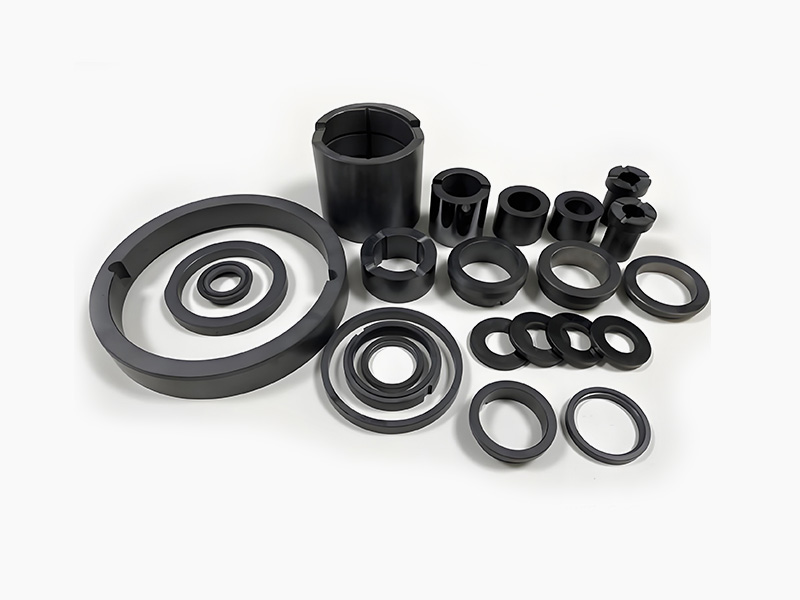
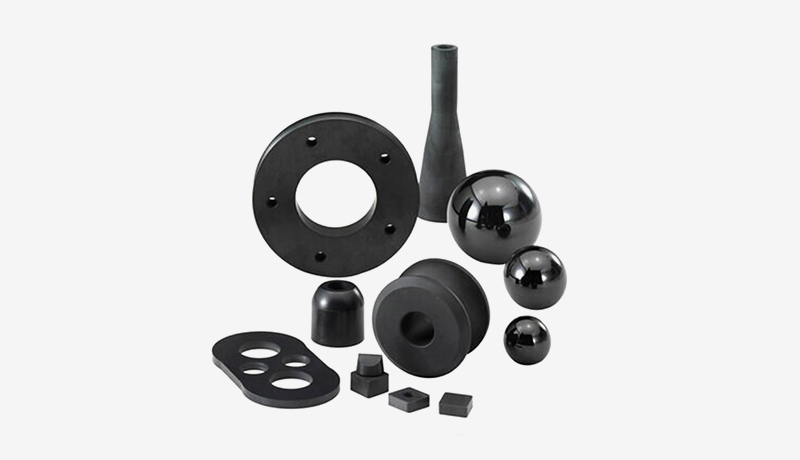
Zirconia ceramic bushings are high-precision mechanical components manufactured from zirconia (ZrO₂) ceramic material, primarily used in the electronics, aerospace, chemical, and other industrial fields. These bushings possess the following core characteristics:
1. High-temperature resistance: They can operate normally in high-temperature environments of several hundred degrees Celsius, even above 1000°C, without softening or deformation.
2. Corrosion resistance: They exhibit high chemical inertness to various chemical media such as acids and bases, and hardly react with common chemicals.
3. Insulation properties: They possess excellent electrical insulation properties, making them suitable for applications requiring insulation, such as electronic equipment.
4. Self-lubricating properties: They can operate continuously without oil lubrication, reducing maintenance requirements.
Application Fields
1. Industrial Applications
High-speed spindles and motors: CNC machine tools/machining center electric spindles, high-speed turbomolecular pumps, etc.
Special environments: High-temperature fans (up to 800°C), molten metal conveying equipment, aerospace engine auxiliary systems.
Corrosive environments: Chemical pumps, electroplating equipment, marine engineering equipment.
Vacuum environments: Semiconductor manufacturing equipment, with extremely low outgassing rate, preventing contamination of the vacuum chamber.
2. Special Applications
Medical equipment: Magnetic resonance imaging (MRI) turntables and other applications requiring non-magnetic properties.
Food machinery: Oil-free self-lubricating design meets the needs of clean environments.
Precision optical instruments: Microscopes, telescopes, and other equipment requiring high rotational accuracy.
Technical Parameters
Performance parameters | Value/Characteristics | Advantages |
hardness | Far superior to traditional metal materials. | Significantly improves wear resistance and extends service life. |
Flexural strength | high | Capable of withstanding complex loads and impacts. |
fracture toughness | outstanding | It is not easily broken under impact loads. |
Coefficient of thermal expansion | Low | Good dimensional stability under temperature changes. |
Porosity | 0% | Completely dense structure |
Perpendicularity | 0.05 | High processing accuracy |
Straightness | 0.01 | Ensure motion accuracy. |
Surface finish | 0.2μm | Excellent surface quality |
Supports custom specifications.