
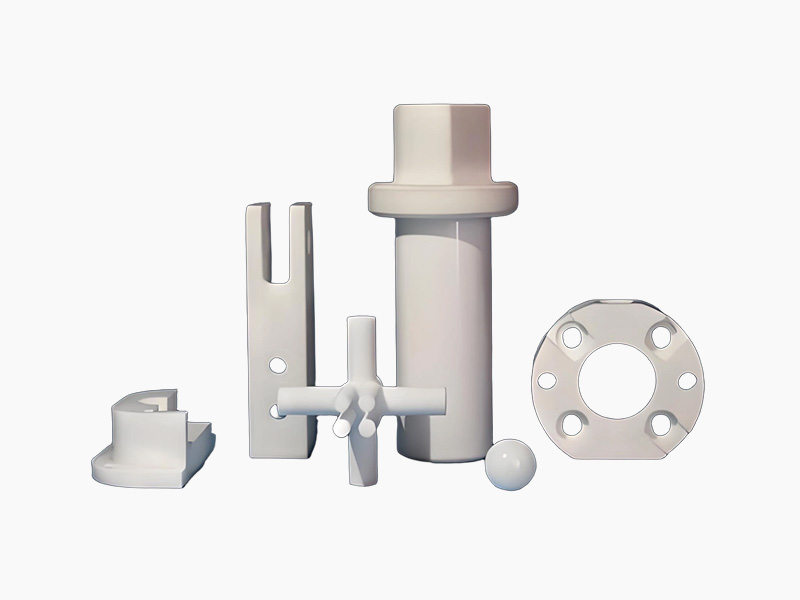
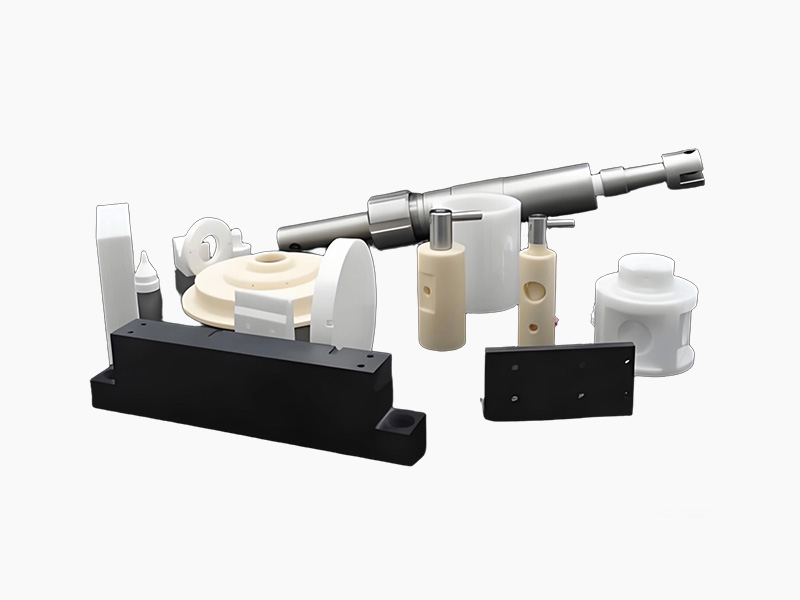




Resistance welding is widely used in automotive, electronics, and metal fabrication industries due to its speed, energy efficiency, and high-quality welds. In this process, electrical current passes through metal components, generating heat to create welds.However, resistance welding poses unique challenges for fixture components: exposure to high currents, heat, and mechanical stress. Traditional metal pins can conduct electricity unintentionally, deform under heat, or wear quickly.Ceramic welding pins provide a solution, offering precise positioning, electrical insulation, and long-term durability in resistance welding fixtures.
Challenges in Resistance Welding
Resistance welding fixtures must hold components in exact positions under heat and electrical load. Problems often encountered include:
1、Electrical conduction: Metal pins may interfere with current flow, reducing weld efficiency.
2、Thermal expansion: Heat from the weld causes metal pins to expand, misaligning components.
3、Wear and abrasion: Repeated welding cycles gradually degrade metal fixture components.
These issues increase defect rates, reduce productivity, and elevate maintenance costs.
Advantages of Ceramic Welding Pins
1. Electrical Insulation
Ceramic materials are non-conductive, preventing interference with the welding current. This ensures consistent energy delivery to the weld joint and avoids short circuits or unwanted heat distribution.
2. Thermal Stability
Ceramic welding pins resist expansion and maintain dimensional accuracy even under high temperatures. This guarantees precise component alignment throughout multiple welding cycles.
3. Wear Resistance
Hardness of ceramics minimizes abrasion and ensures that pins retain their dimensions over thousands of welding cycles.
4. Chemical and Corrosion Resistance
Resistance welding can produce fumes and oxidation. Ceramic pins resist corrosion and chemical attacks, extending service life.
Material Choices for Resistance Welding
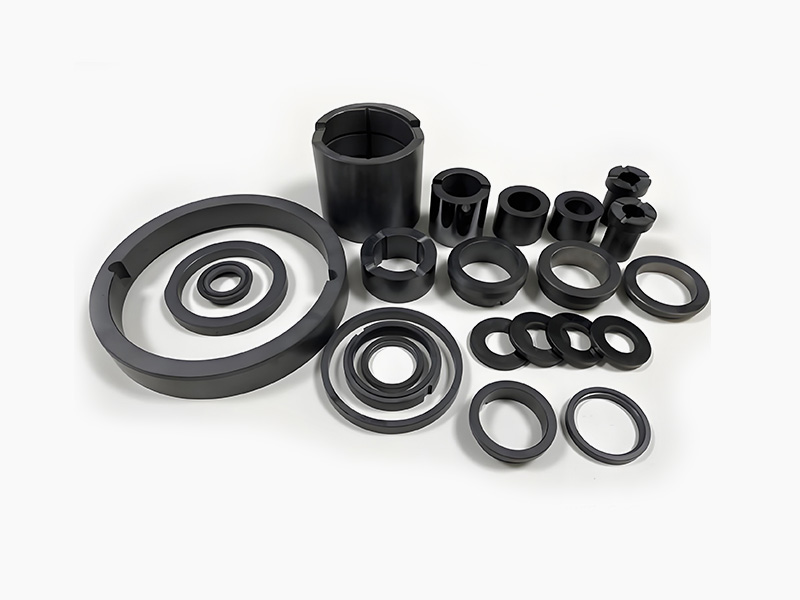
Silicon Nitride (Si3N4): High-temperature stability and mechanical strength. Ideal for heavy-duty, high-current welding fixtures.
1、Alumina (Al2O3): Excellent electrical insulation at moderate cost. Suitable for general resistance welding fixtures.
2、Zirconia (ZrO2): Fracture-tough ceramic for demanding mechanical loads.
3、Choosing the correct ceramic depends on fixture load, temperature, and production volume.
Applications in Resistance Welding
1、Automotive Manufacturing
Spot welding of body panels and frame components relies on ceramic pins to maintain exact spacing and alignment under high electrical currents.
2、Battery Pack Assembly
EV battery packs require multiple spot welds per cell. Ceramic pins prevent electrical interference and ensure precision positioning.
3、Metal Fabrication
Resistance welding of stainless steel and alloy sheets benefits from ceramic pins that endure repetitive heat and maintain fixture accuracy.
4、Electronics Manufacturing
Small-scale resistance welding in electronic assembly requires electrically insulated pins to avoid damage to sensitive components.
Maintenance and Cost Benefits
While ceramic pins have a higher upfront cost than steel pins, their benefits quickly offset the investment:
1、Lower downtime: Long-lasting pins reduce fixture replacement frequency.
2、Consistent weld quality: Dimensional stability ensures accurate welds every cycle.
3、Reduced maintenance labor: Less frequent adjustment and replacement save time and cost.
Conclusion
For resistance welding applications, ceramic welding pins provide unmatched performance. Their combination of electrical insulation, thermal stability, and wear resistance makes them ideal for maintaining precise positioning in high-volume production environments.Using ceramic pins ensures long-lasting fixtures, consistent weld quality, and reduced maintenance costs, making them an essential component in modern resistance welding systems.