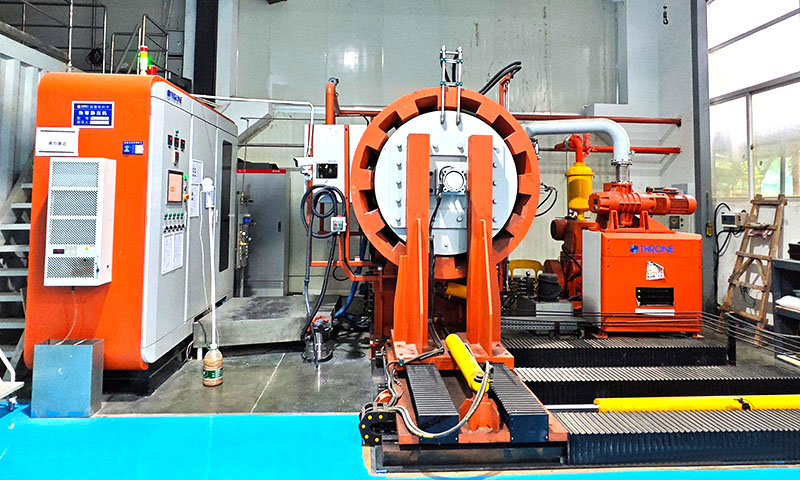

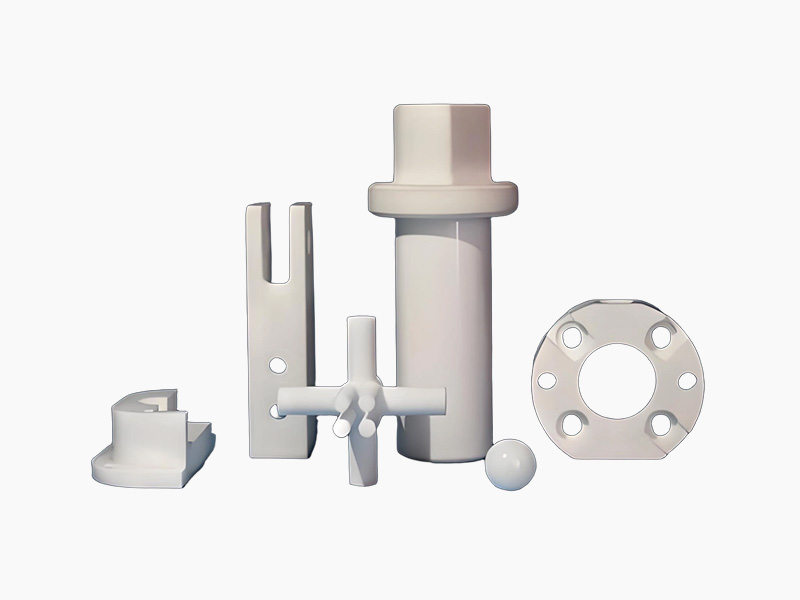
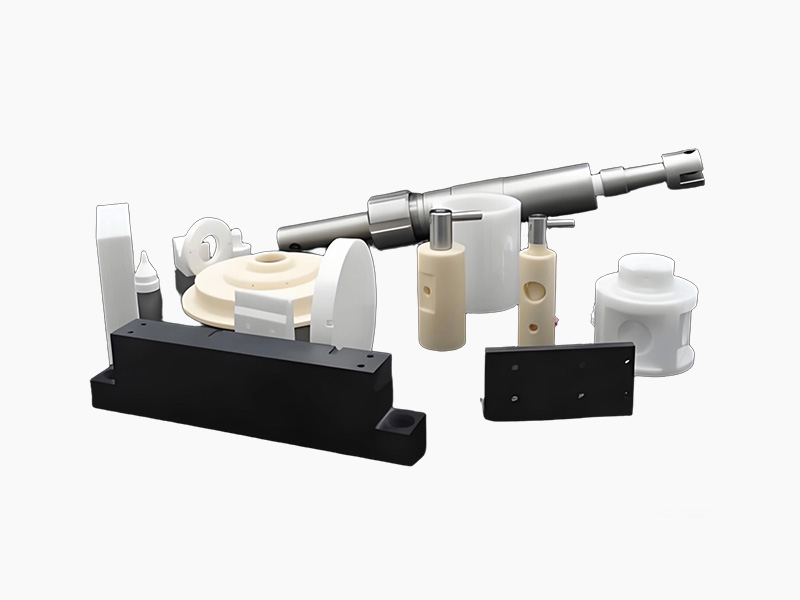
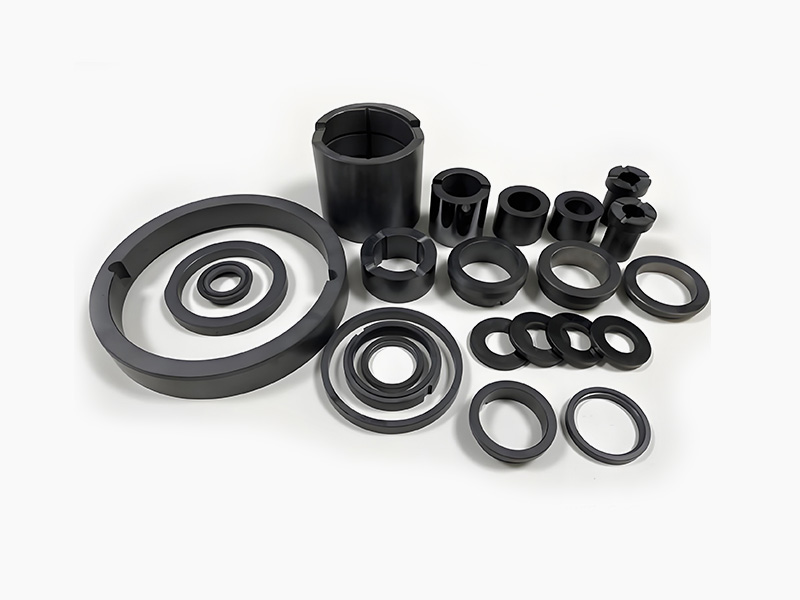




Industrial welding often involves extreme temperatures, especially in resistance, projection, or robotic welding processes. Maintaining precision under these conditions is crucial, as even slight thermal deformation can compromise weld quality. Traditional steel pins, while strong, can expand or deform when exposed to repeated heat cycles.Ceramic welding pins, particularly those made from silicon nitride or alumina, offer exceptional thermal stability, making them an ideal solution for high-temperature welding applications. These pins not only maintain dimensional accuracy but also improve overall fixture longevity and welding consistency.
Thermal Challenges in Welding Fixtures
During welding, localized temperatures can exceed hundreds of degrees Celsius. These high temperatures present several challenges for fixture components:
1、Thermal expansion: Metals expand when heated, which can lead to misalignment.
2、Thermal shock: Rapid heating and cooling can cause cracking or material failure.
3、Wear acceleration: High heat combined with mechanical pressure increases wear rates of fixture components.
Steel pins may require frequent adjustment or replacement, increasing maintenance costs and downtime.
Why Ceramic Welding Pins Perform Better
Ceramic welding pins address these challenges due to their unique material properties:
1. Low Thermal Expansion
Engineering ceramics, such as silicon nitride, expand very little under heat, maintaining accurate positioning during welding cycles.
2. Thermal Shock Resistance
Silicon nitride is highly resistant to thermal shock. It can endure rapid temperature changes without cracking or losing strength, a critical property for welding fixtures that undergo repeated cycles.
3. High Strength at Elevated Temperatures
Unlike metals that lose hardness as they heat up, ceramic materials retain mechanical strength at high temperatures. This ensures that pins can support components without deformation.
4. Electrical Insulation
Ceramics are non-conductive, preventing interference with electrical currents in resistance welding systems.
Common High-Temperature Applications
1、Automotive Body Welding
High-volume automotive factories utilize automated welding lines where hundreds of welds are performed per vehicle. Ceramic welding pins maintain precise alignment of body panels under extreme heat.
2、Battery Pack Welding
Electric vehicle (EV) battery packs require spot welding with high current. Ceramic pins prevent electrical interference while holding battery cells accurately.
3、Metal Fabrication Plants
Fixtures used for heavy metal sheets or machinery components are subjected to intense heat and repeated welding cycles. Ceramic pins increase tool longevity and reduce maintenance frequency.
4、Aerospace and Defense Welding
Welding of heat-resistant alloys demands materials that can survive extreme thermal cycles. Ceramic welding pins are used to maintain precision in critical aerospace fixtures.
Advantages Beyond Temperature Resistance
High-temperature performance is just one benefit. Ceramic welding pins also provide:
1、Wear resistance: Hardness prevents abrasion from repeated loading.
2、Dimensional stability: Maintains exact tolerances throughout the fixture’s lifespan.
3、Corrosion resistance: Suitable for welding in environments with moisture or chemical exposure.
Selecting the Right Ceramic Material
Different ceramics provide different advantages:
1、Silicon Nitride (Si3N4): Excellent thermal shock resistance and mechanical strength. Best for heavy-duty, high-temperature fixtures.
2、Alumina (Al2O3): Cost-effective and electrically insulating. Suitable for medium-temperature applications.
3、Zirconia (ZrO2): High fracture toughness for extreme mechanical loads.
Manufacturers must consider operating temperature, fixture load, and electrical requirements when selecting the appropriate ceramic welding pin.
Conclusion
For industrial welding operations involving high temperatures, ceramic welding pins are far superior to traditional steel pins. Their thermal stability, electrical insulation, wear resistance, and dimensional accuracy make them essential for modern automated and robotic welding systems.Investing in ceramic pins ensures consistent weld quality, longer fixture life, and lower maintenance costs. As manufacturing processes continue to demand higher precision and heat resistance, the role of ceramic welding pins will continue to grow in importance.