
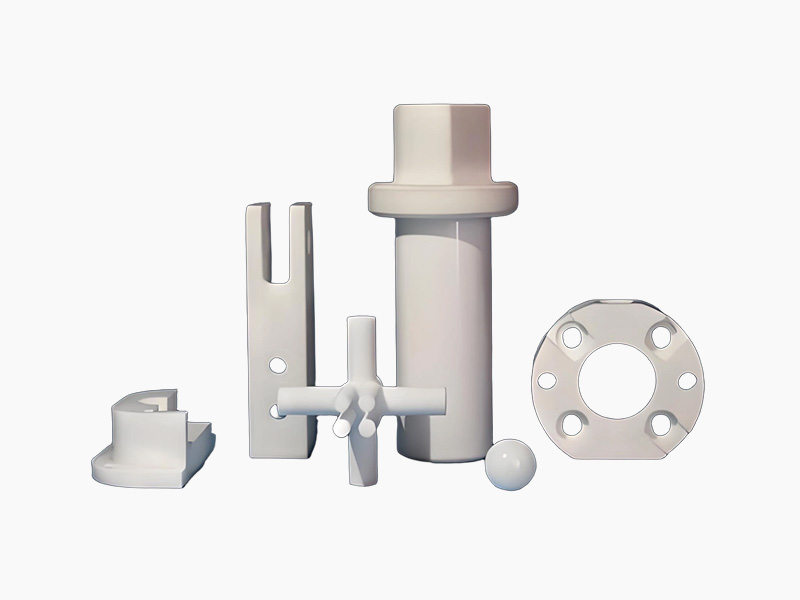
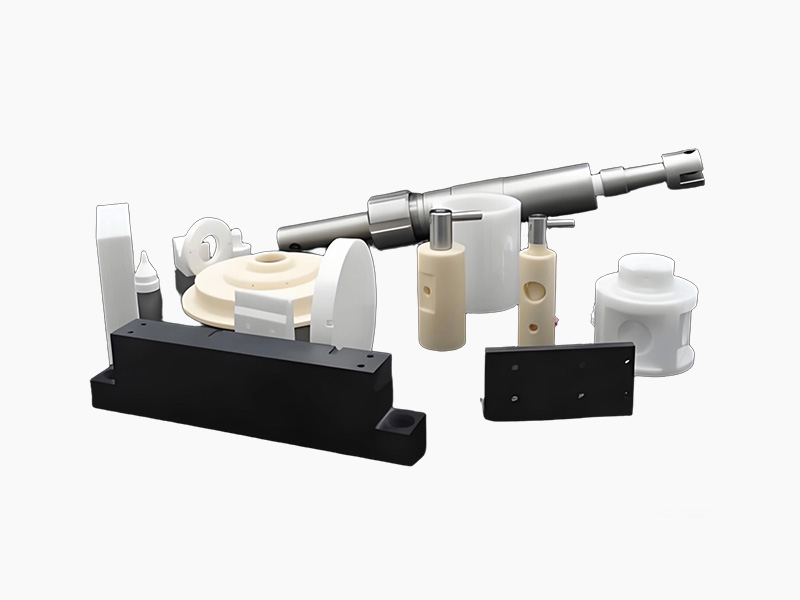




Industrial welding processes, particularly resistance and spot welding, require precise electrical management. Fixture components often operate in high-current environments, making electrical insulation a key concern.Ceramic welding pins are widely used in these applications due to their excellent insulating properties. Unlike traditional metal pins, ceramics prevent unintended current flow, reduce heat buildup, and protect sensitive components.
Electrical Challenges in Welding Fixtures
Welding fixtures often face electrical challenges such as:
1、Short circuits: Metal pins may conduct electricity between components.
2、Heat generation: Unintended conduction creates hotspots that can damage the workpiece.
3、Equipment interference: Conductive pins may affect welding machine sensors or control systems.
These issues can lead to poor weld quality, component damage, or machine downtime.
Why Ceramics Provide Superior Insulation
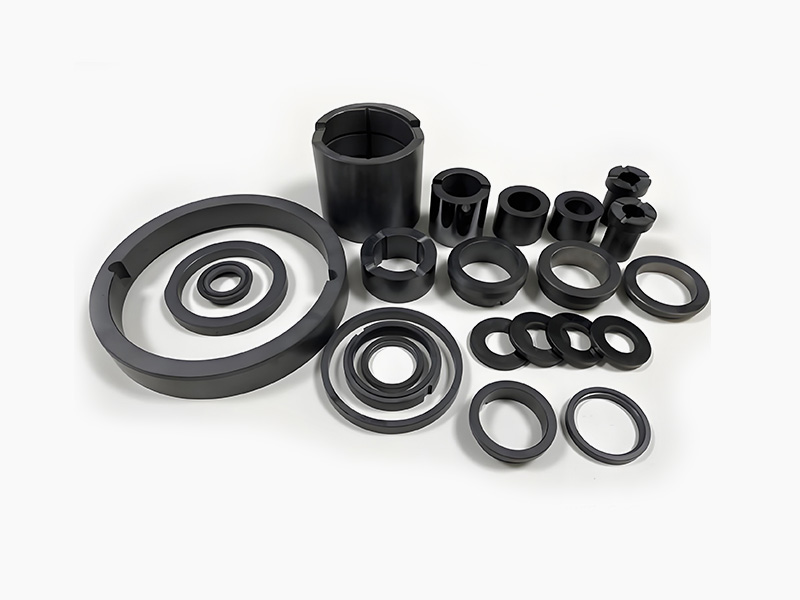
Ceramic welding pins are made from materials like silicon nitride, alumina, and zirconia, which are excellent electrical insulators.Key benefits include:
1、Non-conductive: Prevents electrical interference with welding currents.
2、Stable under heat: Maintains insulation even at elevated temperatures.
3、Long-term reliability: Resist degradation from repeated welding cycles or chemical exposure.
Applications Requiring Insulation
1、High-Current Resistance Welding
Ceramic pins prevent stray currents from affecting weld energy delivery, ensuring consistent weld strength.
2、Electronics Assembly
In delicate electronic welding, ceramic pins protect components from electrical damage while providing precise positioning.
3、Battery Manufacturing
EV battery packs use ceramic pins to maintain both electrical isolation and mechanical alignment during high-current welding.
4、Robotic Welding Fixtures
Automation relies on stable, insulated pins to prevent interference with control sensors and robotic programming.
Additional Advantages
1、Wear resistance: Maintains shape under repetitive mechanical stress.
2、Thermal shock resistance: Survives sudden heating and cooling.
3、Corrosion resistance: Performs well in chemically harsh welding environments.
Conclusion
The insulation properties of ceramic welding pins make them indispensable in electrical welding applications. By preventing unwanted current flow, maintaining dimensional stability, and providing wear resistance, ceramic pins ensure consistent weld quality and reduce maintenance costs.For industries relying on precision and high-current welding, ceramic pins offer a reliable and cost-effective solution.