




Automation has transformed modern manufacturing. Robotic welding systems, automated production lines, and smart factories now dominate industries such as automotive manufacturing, aerospace fabrication, and metal processing.
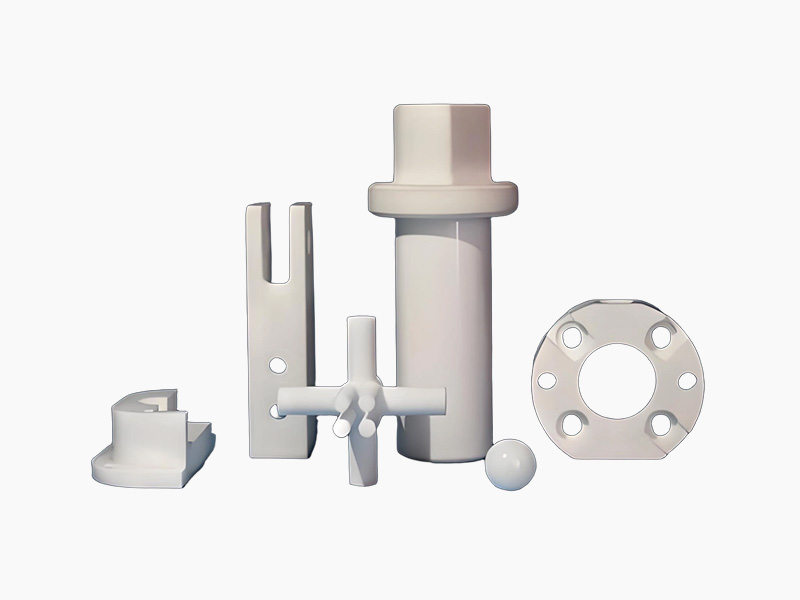
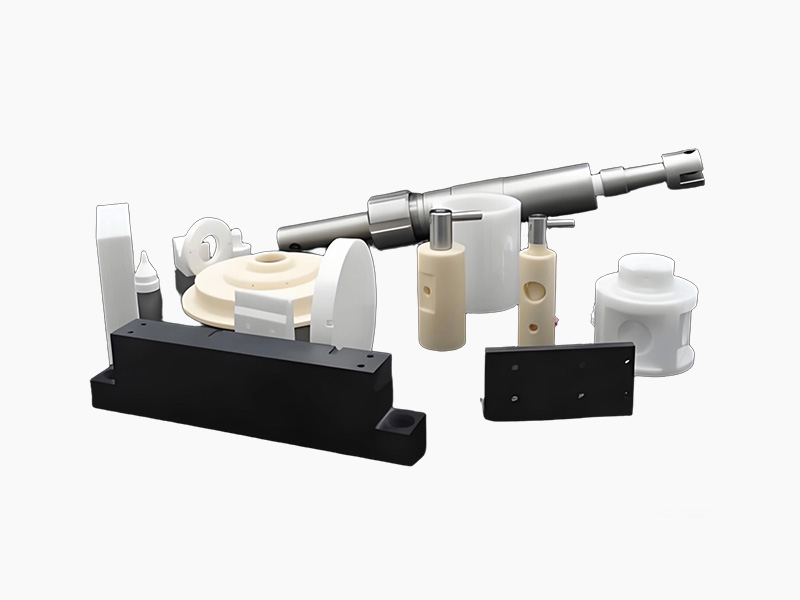
Within these automated environments, precision fixture components play a critical role in maintaining consistent production quality. Among these components, ceramic welding pins are widely used to ensure accurate positioning and stable performance during welding operations.
Importance of Precision in Automated Welding
Automated welding systems rely heavily on repeatability. Industrial robots follow programmed paths to perform welding tasks, and even small positioning errors can affect the final weld quality.Welding fixtures must hold workpieces in exact locations so robots can perform consistent welds. Ceramic welding pins serve as positioning elements that guide and secure components during this process.
Why Ceramic Materials Are Ideal for Automation
Ceramic welding pins offer several characteristics that make them particularly suitable for automated manufacturing systems.
1、Dimensional stability
Automation requires consistent positioning throughout thousands of production cycles. Ceramic materials maintain stable dimensions even under heat exposure.
2、High wear resistance
Automated production lines operate continuously. Ceramic pins resist wear and maintain accuracy for long periods.
3、Electrical insulation
In resistance welding systems, electrical insulation helps maintain correct current flow and prevents interference with welding equipment.
4、Corrosion resistance
Ceramic materials are chemically stable and resistant to environmental contamination.
Integration with Robotic Welding Cells
Robotic welding cells often contain multiple fixtures designed to hold complex metal assemblies.Ceramic welding pins are integrated into these fixtures to provide accurate reference points. Robots rely on these reference points to maintain precise welding positions.Because ceramic pins maintain consistent dimensions over time, they help ensure reliable robotic performance.
Benefits for High-Volume Production
High-volume manufacturing environments require durable components that minimize maintenance interruptions.Ceramic welding pins contribute to efficient production by providing:
1、Long service life
2、Reduced fixture maintenance
3、Consistent positioning accuracy
4、Improved welding quality
These advantages are particularly important in industries such as automotive manufacturing, where production lines operate around the clock.
Future Development in Automated Manufacturing
As factories adopt more advanced automation technologies, the demand for high-performance fixture components will continue to grow.Ceramic welding pins are expected to become even more important in smart manufacturing systems. Improved ceramic materials and precision manufacturing techniques will further enhance their durability and performance.
Ceramic welding pins play a vital role in automated welding systems by ensuring precise positioning, durability, and electrical insulation. Their advanced material properties make them well suited for modern manufacturing environments where reliability and efficiency are essential.As industrial automation continues to evolve, ceramic welding pins will remain a key component in achieving consistent and high-quality welding production.