




Ceramic welding pins are widely used in precision welding fixtures because of their ability to withstand high temperatures and maintain dimensional accuracy. However, not all ceramic materials offer the same performance characteristics.
Two of the most commonly used materials in ceramic welding pins are silicon nitride and alumina. Each material provides specific advantages depending on the requirements of the welding environment.Understanding the differences between these materials helps manufacturers select the most suitable solution for their applications.
Overview of Silicon Nitride Ceramic Pins
Silicon nitride is an advanced engineering ceramic known for its exceptional strength and thermal stability.Key characteristics include:
1、High fracture toughness
2、Low density
3、Excellent thermal shock resistance
4、Superior mechanical strength
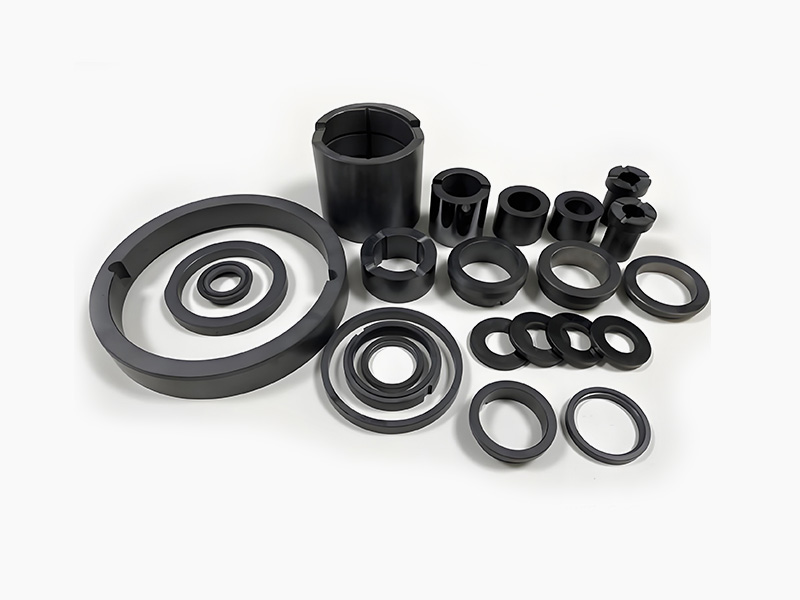
Because of these properties, silicon nitride welding pins are commonly used in demanding industrial environments where both strength and heat resistance are critical.
Overview of Alumina Ceramic Pins
Alumina is one of the most widely used ceramic materials in industrial applications. It offers a balance of hardness, electrical insulation, and cost efficiency.Typical properties include:
1、High hardness
2、Excellent electrical insulation
3、Strong corrosion resistance
4、Relatively lower production cost
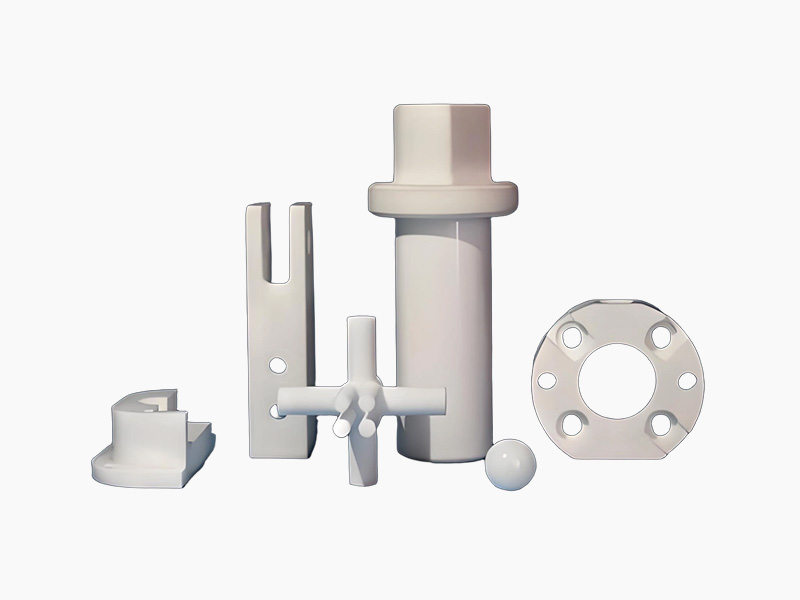
Alumina welding pins are often used in general-purpose welding fixtures where extreme mechanical loads are not present.
Mechanical Strength Comparison
Silicon nitride generally provides higher mechanical strength than alumina. This makes it more suitable for applications where pins experience heavy loads or repeated impact.
Alumina, while still strong, may be more brittle under certain conditions. Therefore, it is typically used in fixtures with moderate mechanical stress.
Thermal Performance
Both materials provide excellent heat resistance. However, silicon nitride has superior thermal shock resistance.Thermal shock occurs when materials experience rapid temperature changes. Silicon nitride can handle these sudden variations without cracking, making it ideal for high-temperature welding processes.
Alumina performs well under stable temperature conditions but may be less resistant to rapid temperature fluctuations.
Wear Resistance
Both materials offer outstanding hardness compared with metals. This allows them to maintain dimensional accuracy even after extensive use.In many applications, alumina provides sufficient wear resistance for positioning components. Silicon nitride, however, may perform better in extremely demanding environments.
Cost Considerations
Cost is another important factor in material selection.
Alumina ceramics are generally less expensive to manufacture. As a result, they are commonly used in large quantities for standard welding fixtures.
Silicon nitride components require more advanced manufacturing processes, which typically results in higher costs. However, their superior performance may justify the investment in high-end applications.
Typical Application Scenarios
Silicon nitride welding pins are often used in:
1、High-temperature welding fixtures
2、Automotive robotic welding systems
3、Heavy-duty industrial welding equipment
Alumina welding pins are commonly used in:
1、General welding fixtures
2、Electronics manufacturing
3、Medium-duty industrial applications
Both silicon nitride and alumina offer valuable properties for ceramic welding pins. The choice between these materials depends largely on the operating environment and performance requirements.
Silicon nitride provides superior mechanical strength and thermal shock resistance, making it ideal for demanding applications. Alumina, on the other hand, offers excellent electrical insulation and cost efficiency for general industrial use.
Selecting the right material ensures optimal performance, longer service life, and reliable welding fixture operation.