
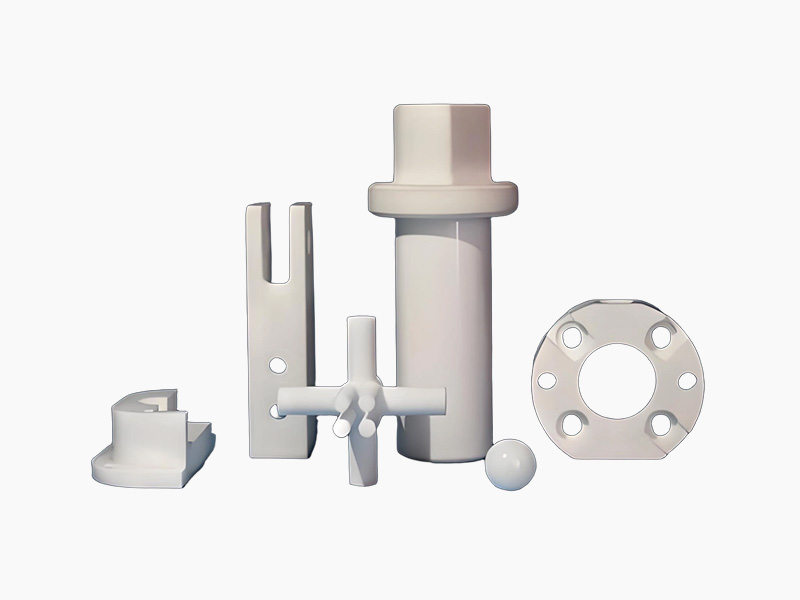
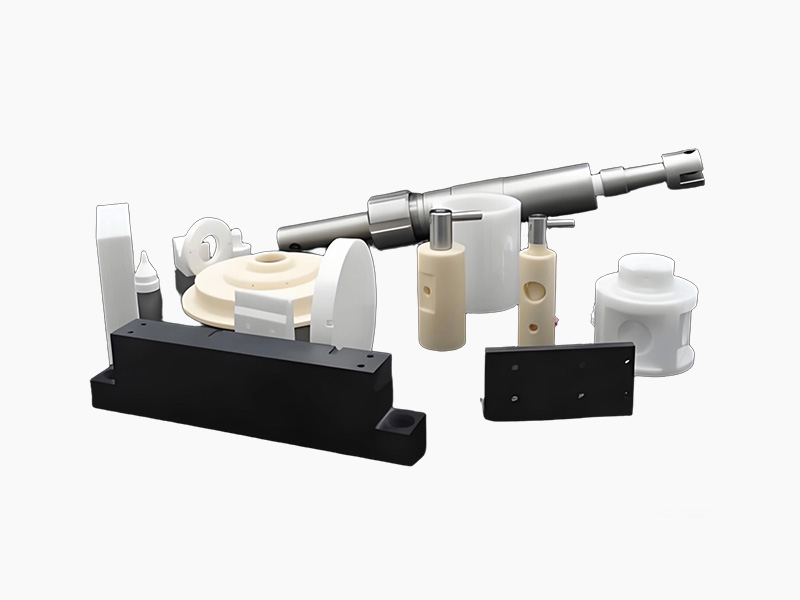
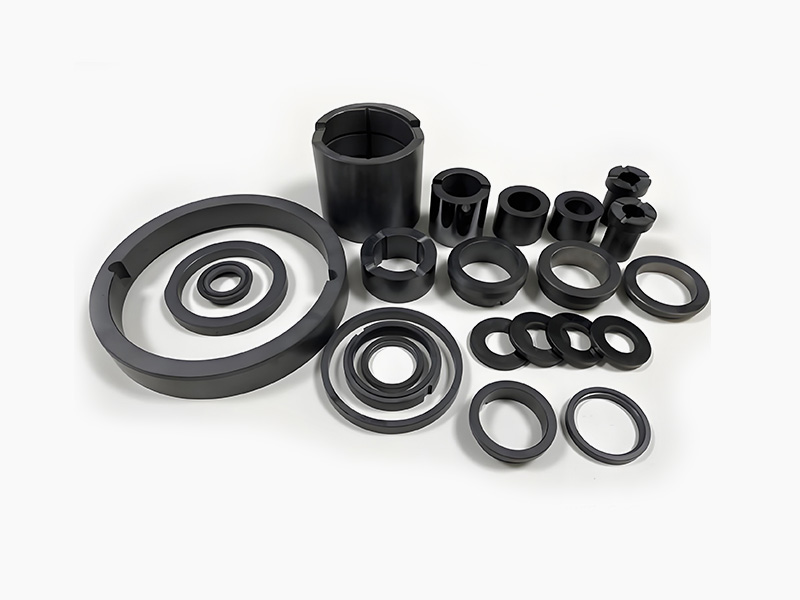




Ceramic Welding Pins are precision components that require a meticulous manufacturing process to ensure their quality, durability, and performance. The process involves several key steps, from selecting high-quality raw materials to precision machining and quality control. Understanding the manufacturing process of Ceramic Welding Pins is essential for appreciating their unique properties and ensuring that you choose a high-quality product for your welding applications.
The first step in the manufacturing process of Ceramic Welding Pins is raw material selection. The choice of raw material depends on the intended application of the pin. The most common materials used are alumina (Al₂O₃), zirconia (ZrO₂), and silicon nitride (Si₃N₄). Alumina is used for general-purpose applications due to its high-temperature resistance and cost-effectiveness. Zirconia is chosen for applications that require superior toughness and impact resistance, while silicon nitride is used for high-performance applications where extreme temperature resistance and wear resistance are critical. The raw materials are carefully selected to ensure they meet strict quality standards, with high purity levels (often ≥95%) to ensure consistent performance.
Once the raw materials are selected, they are processed into a fine powder. This involves grinding and crushing the raw materials using specialized equipment to achieve a uniform particle size. The particle size is critical, as it affects the density and strength of the final product. The powder is then mixed with a binder, which helps hold the particles together during the shaping process. The binder can be organic or inorganic, depending on the material and the desired properties of the pin.
The next step is shaping the Ceramic Welding Pins. There are several methods used for shaping, including extrusion, pressing, and injection molding. Extrusion is used for producing long, cylindrical pins, while pressing is used for creating more complex shapes with tight tolerances. Injection molding is used for high-volume production, allowing for the creation of intricate shapes with consistent dimensions. During the shaping process, the powder-binder mixture is pressed or injected into a mold that matches the desired shape and size of the pin. The mold is then removed, leaving a green (unfired) pin.
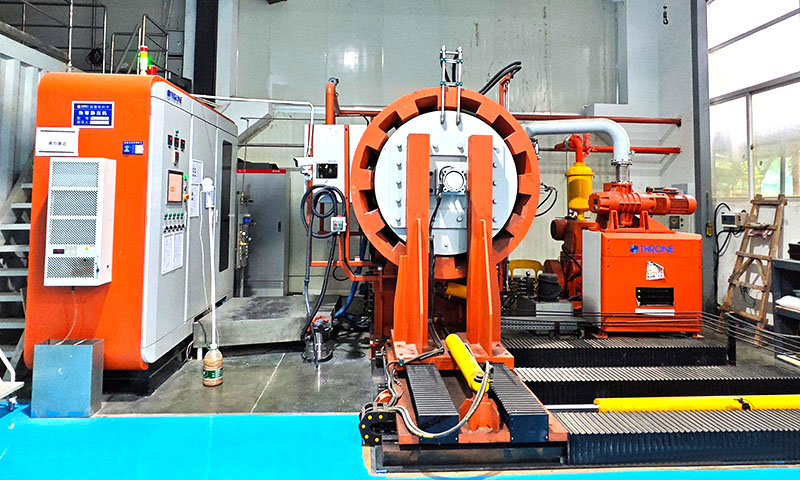
After shaping, the green pins are dried to remove any moisture and excess binder. This is typically done in an oven at a low temperature (around 100–200°C) for several hours. Drying is critical to prevent cracking during the firing process. Once dried, the pins are fired in a kiln at high temperatures to sinter the ceramic particles together. The firing temperature varies depending on the material: alumina is fired at 1500–1700°C, zirconia at 1400–1600°C, and silicon nitride at 1600–1800°C. During firing, the binder burns off, and the ceramic particles fuse together, forming a dense, strong structure. This process is known as sintering, and it is what gives Ceramic Welding Pins their unique properties.
After firing, the Ceramic Welding Pins undergo precision machining to achieve the final dimensions and surface finish. This involves grinding, polishing, and drilling, depending on the requirements of the pin. Precision machining is essential to ensure that the pins meet tight tolerances (often ±0.01–0.02 mm) and have a smooth surface that resists weld spatter adhesion. The machining process is done using specialized equipment, such as diamond grinders, to ensure accuracy and consistency.
The final step in the manufacturing process is quality control. Each Ceramic Welding Pin is inspected to ensure it meets the required specifications, including dimensions, hardness, density, and surface finish. Tests may include dimensional measurements, hardness tests, and visual inspections. Any pins that do not meet the quality standards are discarded or reworked. This ensures that only high-quality Ceramic Welding Pins reach the market, providing reliable performance in welding applications.
In summary, the manufacturing process of Ceramic Welding Pins is a complex, multi-step process that requires precision and attention to detail. From raw material selection to quality control, each step is critical to ensuring the final product meets the high standards required for industrial welding applications.